Trump ends deportation protection for 500,000 Haitians
Read Original Source
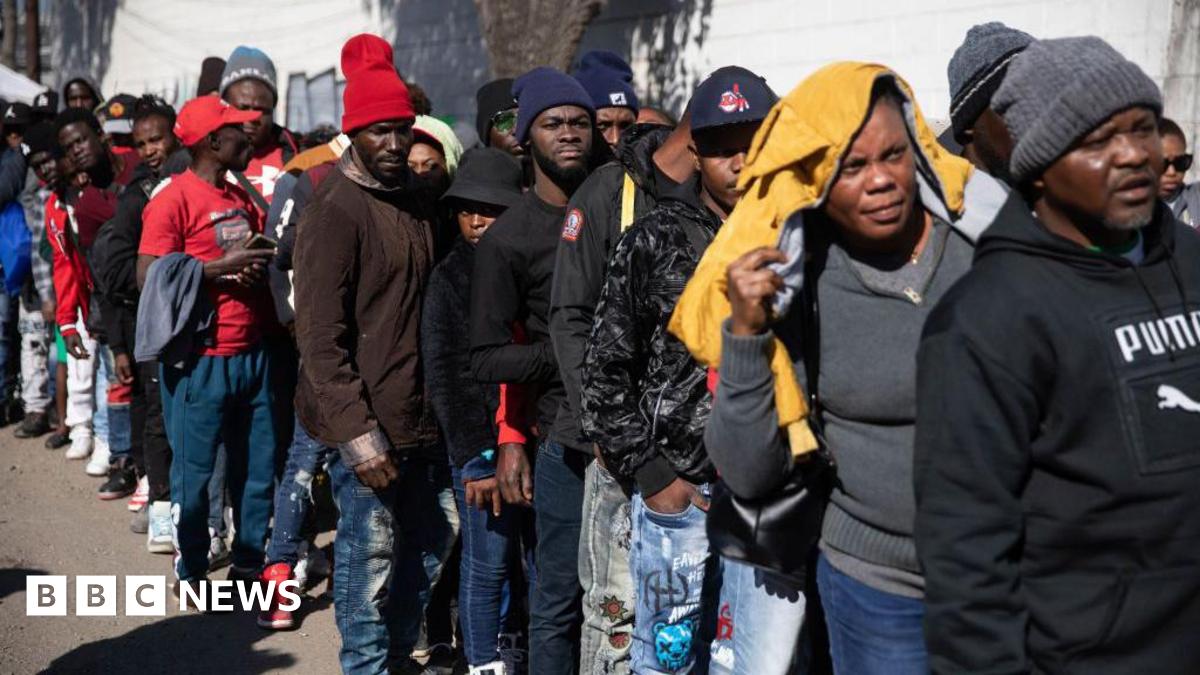
The US government will end the temporary protected status (TPS) for 500,000 Haitians living in the country in August, the Department of Homeland Security said on Thursday. This comes despite deteriorating conditions in the Caribbean country, with gangs controlling about 85% of the capital and sexual violence against children increasing by 1,000% last year, according to the United Nations. TPS is granted to nationals of designated countries facing unsafe conditions, such as armed conflict or environmental disasters.
AI Summary
Main Idea: The Trump administration will end deportation protection for 500,000 Haitians in the US, putting many at risk of losing work permits and being removed.
Key Points:
- The Department of Homeland Security said Haiti’s temporary protected status will end on 3 August 2025.
- The policy affects Haitians who have had TPS since 2010, including people who may now lose legal work authorization.
- The decision comes even as violence and instability in Haiti remain severe, with gangs controlling much of the capital.
- Critics called the move harsh and warned it could put long-term Haitian residents at risk for no reason other than their nationality.
Impact on the People
Negative Impact
Ending TPS may push many Haitians out of work and into deportation, which could hurt families, employers, and local communities.
Positive Impact
Some voters may see stricter immigration enforcement as a policy win, and the government may save on TPS-related costs.
How did each entity affect people?
Rate how each entity in this article affected the American people.
- Primary:Department of Homeland Securitygovernment agency or body
- Major:Haiticountry
Candidate Entities8 candidates · 5 weighted vote min · 70% decision
- Department of Homeland Securitygovernment agency or bodyPrimaryEvaluated
The agency making the announced decision to end temporary protected status for Haitians.
Include 0 (0%)Ignore 0 (0%)5 to threshold - HaiticountryMajorEvaluated
The country whose deteriorating conditions and gang violence are central to the policy dispute.
Include 0 (0%)Ignore 0 (0%)5 to threshold - President Donald TrumppersonPrimaryAI selected
Central actor whose administration is ending temporary protected status for Haitians and whose immigration agenda drives the story.
Include 0 (0%)Ignore 0 (0%)5 to threshold - Representative Ayanna PressleypersonMajorAI selected
Named member of Congress quoted criticizing the decision as shameful and central to the article’s reaction section.
Include 0 (0%)Ignore 0 (0%)5 to threshold - United Nationsinternational organizationMajorAI selected
Cited for reporting on worsening conditions in Haiti, including gang control and violence against children.
Include 0 (0%)Ignore 0 (0%)5 to threshold - John KirbypersonContextCandidate
Named spokesman quoted reacting to Trump’s claim about Haitian immigrants; supportive context, not a central decision-maker.
Include 0 (0%)Ignore 0 (0%)5 to threshold - National Security Councilgovernment agency or bodyContextCandidate
The body whose spokesman is quoted rejecting Trump’s Haitian immigrants claim as racist conspiracy theory.
Include 0 (0%)Ignore 0 (0%)5 to threshold
Comments 0
Comments here are the same thread shown when this article appears in The Pulse.
No comments on this article yet.
Sign in to comment