Trump says U.S. kills Islamic State leader in Nigeria
Read Original Source
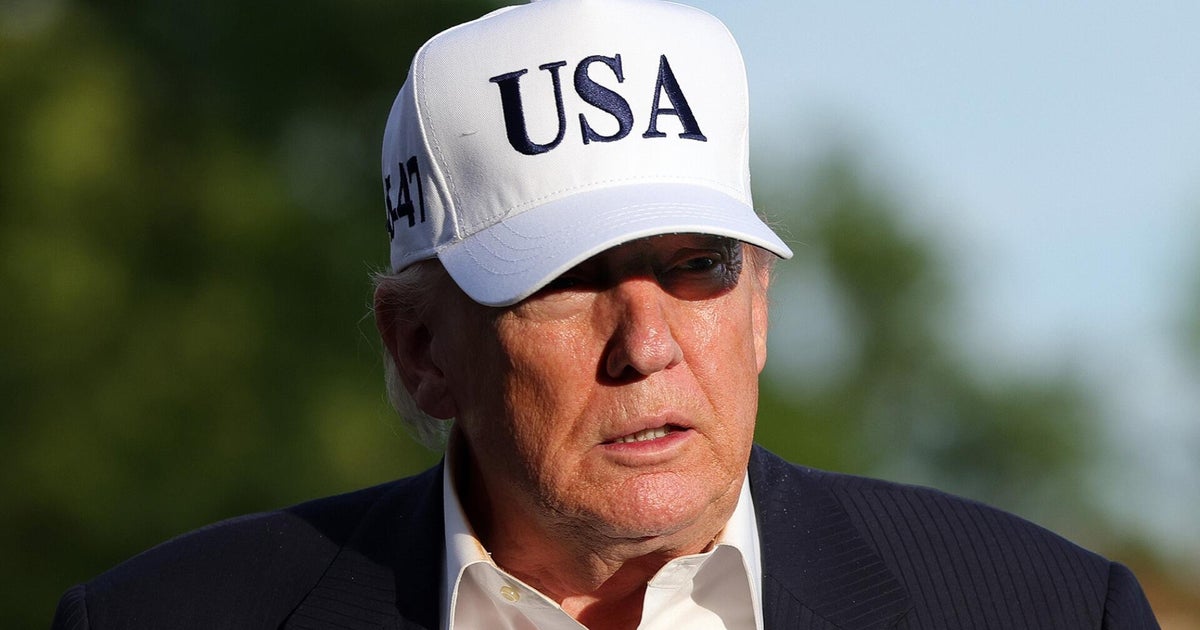
President Trump announced Friday evening that U.S. and Nigerian military forces had killed Abu-Bilal al-Minuki, a leader of the Islamic State group, in a "meticulously planned and very complex mission." Mr. Trump described al-Minuki as the Islamic State's second-in-command globally and "the most active terrorist in the world." "He will no longer terrorize the people of Africa, or help plan operations to target Americans," Mr. Trump wrote on Truth Social.
AI Summary
Main Idea: President Donald Trump said U.S. and Nigerian forces killed an Islamic State leader in Nigeria in a complex counterterrorism mission.
Key Points:
- Trump said the target was Abu-Bilal al-Minuki, whom he called a top Islamic State figure and a major threat.
- Nigeria’s government confirmed the operation and said the strike happened at al-Minuki’s compound near Lake Chad Basin.
- Officials said several of his lieutenants were also killed in the raid.
- The article says the U.S. has kept up strikes on Islamic State targets in Nigeria as the group remains active in parts of Africa.
Impact on the People
Negative Impact
Killing a militant leader may spark retaliation or wider unrest that can still threaten US travelers, workers, and taxpayers through security costs.
Positive Impact
Removing an ISIS leader could lower the risk of attacks on Americans and weaken a group that has targeted communities and markets abroad.
How did each entity affect people?
Rate how each entity in this article affected the American people.
- Primary:Abu-Bilal al-Minukiperson
- Primary:President Donald Trumpperson
- Major:Islamic Stateinternational organization
Candidate Entities10 candidates · 5 weighted vote min · 70% decision
- Abu-Bilal al-MinukipersonPrimaryEvaluated
The Islamic State leader killed in the operation; the article centers on him and his role.
Include 0 (0%)Ignore 0 (0%)5 to threshold - President Donald TrumppersonPrimaryEvaluated
Central actor who announced the killing and framed its significance in his public statement.
Include 0 (0%)Ignore 0 (0%)5 to threshold - Islamic Stateinternational organizationMajorEvaluated
The terrorist organization whose leader was killed and whose regional operations are discussed.
Include 0 (0%)Ignore 0 (0%)5 to threshold - NigeriacountryMajorAI selected
Co-actor in the military operation and the country where the mission took place.
Include 0 (0%)Ignore 0 (0%)5 to threshold - Nigerian presidentpersonMajorAI selected
Named as confirming the operation and describing the assessment of the mission.
Include 0 (0%)Ignore 0 (0%)5 to threshold - United StatescountryMajorAI selected
Central military actor in the cross-border counterterrorism operation and earlier strikes described in the story.
Include 0 (0%)Ignore 0 (0%)5 to threshold - Nigerian defense departmentgovernment agency or bodyContextCandidate
Reported the operation as a counterterrorism mission and commented on its coordination.
Include 0 (0%)Ignore 0 (0%)5 to threshold
Comments 0
Comments here are the same thread shown when this article appears in The Pulse.
No comments on this article yet.
Sign in to comment