ABLE accounts allow Americans with disabilities to save and invest
Read Original Source
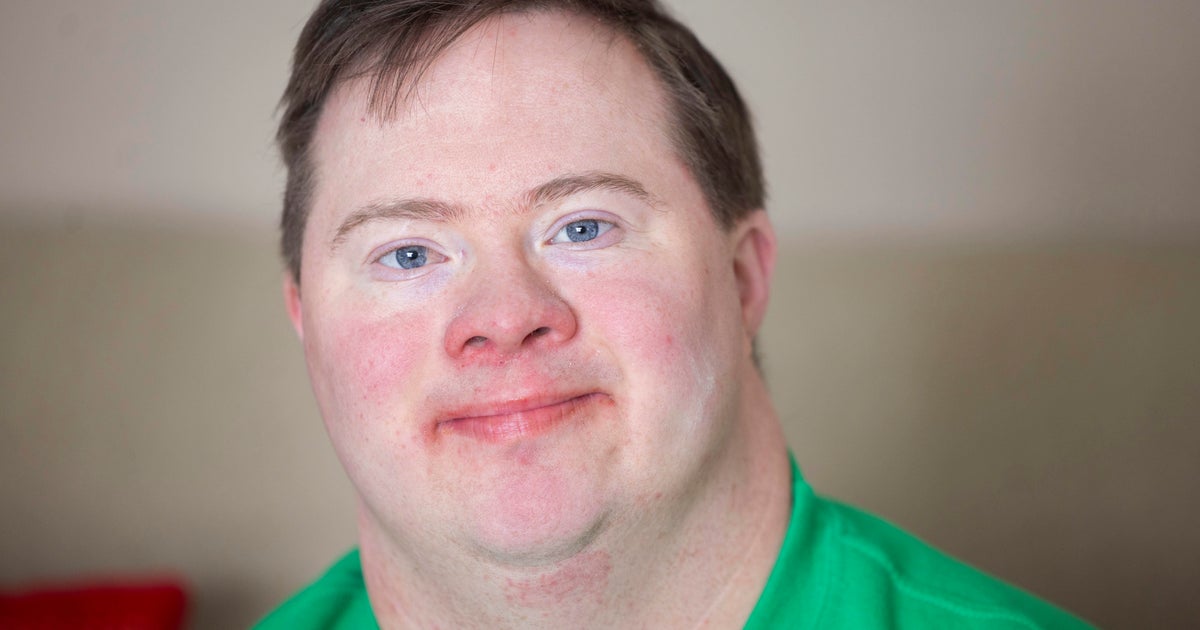
Paul Safarik, 32, of Lincoln, Nebraska, has worked in the food industry since he was 21, delivering for quick service restaurants like Raising Cane's and stocking groceries at stores like Trader Joe's. With his earnings, Safarik, who has Down syndrome, recently bought a treadmill to stay active when the weather's bad and helped cover the cost of braces for his teeth.
AI Summary
Main Idea: ABLE accounts let Americans with disabilities save and invest more money without losing key benefits, and Daniel Elliott says wider access will help many more people use them.
Key Points:
- The accounts were created by federal law and let eligible people save above the usual $2,000 asset limit tied to programs like Supplemental Security Income and Medicaid.
- Elliott, Indiana’s state treasurer and a national account leader, said the age cutoff will rise in 2026, opening the accounts to millions more people, including many veterans.
- The accounts can hold large balances, accept money from family, friends, employers, and others, and offer tax-free growth when the money is used for qualified disability expenses.
- Officials say the biggest problem is low awareness, since most eligible people do not know the accounts exist or how to set one up.
Impact on the People
Negative Impact
No clear negative impact identified.
Positive Impact
ABLE accounts can let more Americans with disabilities save for emergencies and goals without losing vital benefits,. Many eligible people still do not know the accounts exist.
How did each entity affect people?
Rate how each entity in this article affected the American people.
No entity suggestions or linked entities saved yet.
Candidate Entities7 candidates · 5 weighted vote min · 70% decision
- Daniel ElliottpersonMajorAI selected
Indiana State Treasurer quoted as an administrator of ABLE accounts and a central explanatory source on the policy’s.
Include 0 (0%)Ignore 0 (0%)5 to threshold - Andrew WarrenpersonContextCandidate
Financial Health Network policy and research associate quoted about barriers to ABLE account adoption; informative but not a.
Include 0 (0%)Ignore 0 (0%)5 to threshold - Indiana State Treasurers officegovernment agency or bodyContextCandidate
State office responsible for administering ABLE accounts in Indiana and providing program data cited in the story.
Include 0 (0%)Ignore 0 (0%)5 to threshold - National Association of State Treasurersunion / trade associationContextCandidate
Trade association led by Daniel Elliott that is cited on awareness and account statistics, with a modest but.
Include 0 (0%)Ignore 0 (0%)5 to threshold - Paul SafarikpersonContextCandidate
Individual beneficiary whose experience illustrates how ABLE accounts work, but the article is mainly about the program rather.
Include 0 (0%)Ignore 0 (0%)5 to threshold - Deb SafarikpersonMinorCandidate
Family member quoted about the personal effect of the account; supporting perspective only.
Include 0 (0%)Ignore 0 (0%)5 to threshold - Financial Health Networknonprofit / NGOMinorCandidate
Research organization whose report and quoted staff member are used for background on disability finance and awareness gaps.
Include 0 (0%)Ignore 0 (0%)5 to threshold
Comments 0
Comments here are the same thread shown when this article appears in The Pulse.
No comments on this article yet.
Sign in to comment