Tattoos of deported Venezuelans don't necessarily signal gang affiliation, experts say
Read Original Source
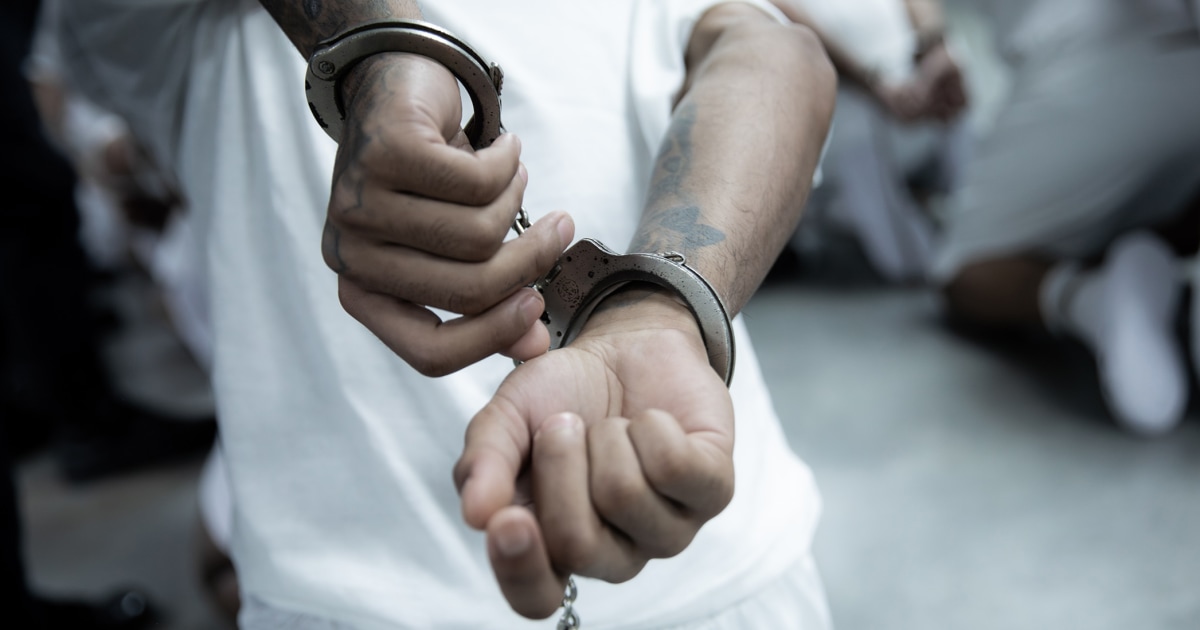
Nike’s Jumpman, roses and a popular phrase from a Donald Trump-supporting Puerto Rican rapper: These are some of the tattoos defense lawyers and relatives say helped authorities accuse several Venezuelan men of belonging to Tren de Aragua gang. Limited time: Save 25% on NBC News subscription Get exclusive reporting, live Q&As and ad-free reading.
AI Summary
Main Idea: Experts say tattoos alone do not prove Tren de Aragua gang membership, even as U.S. immigration authorities used them to help justify deportations and detentions of Venezuelan men.
Key Points:
- Lawyers say several Venezuelan men were targeted in part because of tattoos, including popular sports and culture images, and were sent to El Salvador’s megaprison.
- A Tren de Aragua expert said the gang is not identified by tattoos, and people can belong to it with no tattoos at all.
- U.S. officials said they did not rely only on tattoos, but critics say the cases raise serious due process concerns.
- The Trump administration has treated Tren de Aragua as a major national security threat and has used harsh immigration measures against Venezuelan migrants.
Impact on the People
Negative Impact
US families may face wrongful detention or deportation if tattoos are used as weak proof of gang ties, raising due process concerns and distrust in immigration enforcement.
Positive Impact
Clearer limits on tattoo-based accusations could push ICE to use better evidence, which may reduce mistakes and improve fairness for communities.
How did each entity affect people?
Rate how each entity in this article affected the American people.
- Primary:Tren de Araguapolitical organization
- Major:El Salvadorcountry
Candidate Entities8 candidates · 5 weighted vote min · 70% decision
- Tren de Araguapolitical organizationPrimaryEvaluated
The Venezuelan gang is the central subject of the article and the alleged basis for the deportations and.
Include 0 (0%)Ignore 0 (0%)5 to threshold - El SalvadorcountryMajorEvaluated
Country that received the deported Venezuelan men and announced they were Tren de Aragua members.
Include 0 (0%)Ignore 0 (0%)5 to threshold - Immigration and Customs Enforcementgovernment agency or bodyMajorAI selected
U.S. immigration agency whose officials and enforcement actions are central to the deportation and tattoo-identification dispute.
Include 0 (0%)Ignore 0 (0%)5 to threshold - Ronna RisquezpersonMajorAI selected
Expert on Tren de Aragua whose statements directly challenge the tattoo-to-gang link.
Include 0 (0%)Ignore 0 (0%)5 to threshold - Anuel AApersonContextCandidate
Named as the artist who popularized the “Real Hasta la Muerte” phrase discussed in the article.
Include 0 (0%)Ignore 0 (0%)5 to threshold - Donald TrumppersonContextCandidate
Mentioned in connection with a quoted phrase popularized by a rapper and the broader immigration enforcement context.
Include 0 (0%)Ignore 0 (0%)5 to threshold - Michael JordanpersonContextCandidate
Referenced because the Jumpman logo tied to his brand is discussed as a tattoo wrongly associated with gang.
Include 0 (0%)Ignore 0 (0%)5 to threshold
Comments 0
Comments here are the same thread shown when this article appears in The Pulse.
No comments on this article yet.
Sign in to comment