Governor signs ban on DEI in Ohio public colleges despite opposition by students and teachers
Read Original Source
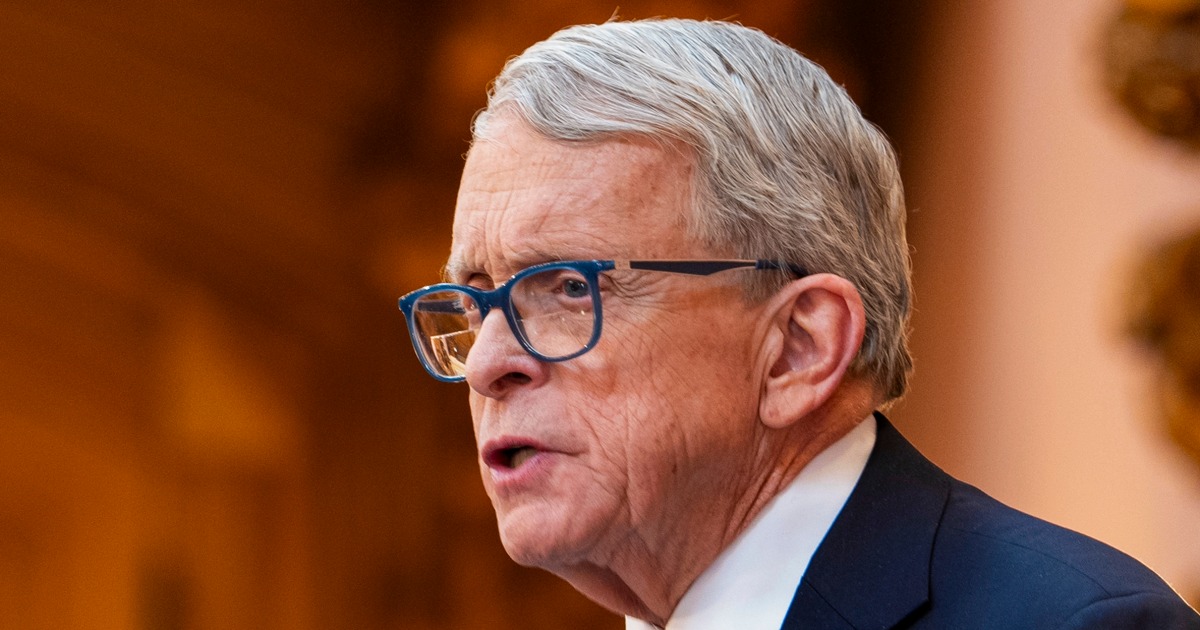
COLUMBUS, Ohio — Republican Gov. Mike DeWine has signed legislation to ban diversity, equity and inclusion programs and make other sweeping changes to public colleges and universities in Ohio. Limited time: Save 25% on NBC News subscription Get exclusive reporting, live Q&As and ad-free reading. Students, teachers and civil rights groups had called for a veto by DeWine, whose office announced the signing Friday without further comment by the governor.
AI Summary
Main Idea: Ohio Gov. Mike DeWine signed a law banning DEI programs in public colleges and adding new limits on faculty, classroom speech, and college rules.
Key Points:
- The law bars diversity, equity and inclusion programs at Ohio public colleges and universities.
- It also bans faculty strikes, limits discussion of “controversial” topics, and adds a required civics course for students.
- Critics said the law will hurt higher education, worker rights, and free speech, and they urged DeWine to veto it.
- Supporters, including bill sponsor Jerry Cirino, said the measure will protect intellectual diversity and improve Ohio’s colleges.
Impact on the People
Negative Impact
Ohio students and workers may see fewer DEI efforts, less academic freedom, and weaker faculty rights, which could make the state less attractive to talent and affect public university quality.
Positive Impact
Supporters say the law could give public colleges clearer rules and more focus on curriculum, though the long-term effect on jobs, enrollment, and costs is uncertain.
How did each entity affect people?
Rate how each entity in this article affected the American people.
- Primary:Governor Mike DeWineperson
- Major:Ohiostate
Candidate Entities10 candidates · 5 weighted vote min · 70% decision
- Governor Mike DeWinepersonPrimaryEvaluated
Central actor who signed the legislation banning DEI programs at Ohio public colleges.
Include 0 (0%)Ignore 0 (0%)5 to threshold - OhiostateMajorEvaluated
The state government is the jurisdiction enacting and enforcing the higher-education changes.
Include 0 (0%)Ignore 0 (0%)5 to threshold - American Civil Liberties Union of Ohiononprofit / NGOMajorAI selected
Major advocacy group publicly opposing the law and warning about its effects.
Include 0 (0%)Ignore 0 (0%)5 to threshold - Ohio House of Representativesgovernment agency or bodyMajorAI selected
Legislative chamber that passed the bill with changes.
Include 0 (0%)Ignore 0 (0%)5 to threshold - Ohio Senategovernment agency or bodyMajorAI selected
Legislative chamber that gave final approval to the bill.
Include 0 (0%)Ignore 0 (0%)5 to threshold - Senator Jerry CirinopersonMajorAI selected
Bill sponsor and key Republican official explaining and defending the measure.
Include 0 (0%)Ignore 0 (0%)5 to threshold - Allison RussopersonContextCandidate
Ohio House Minority Leader quoted criticizing the law and its impact.
Include 0 (0%)Ignore 0 (0%)5 to threshold
Comments 0
Comments here are the same thread shown when this article appears in The Pulse.
No comments on this article yet.
Sign in to comment