Steve Kornacki: How Democratic voter intensity powered Susan Crawford to a win in Wisconsin
Read Original Source
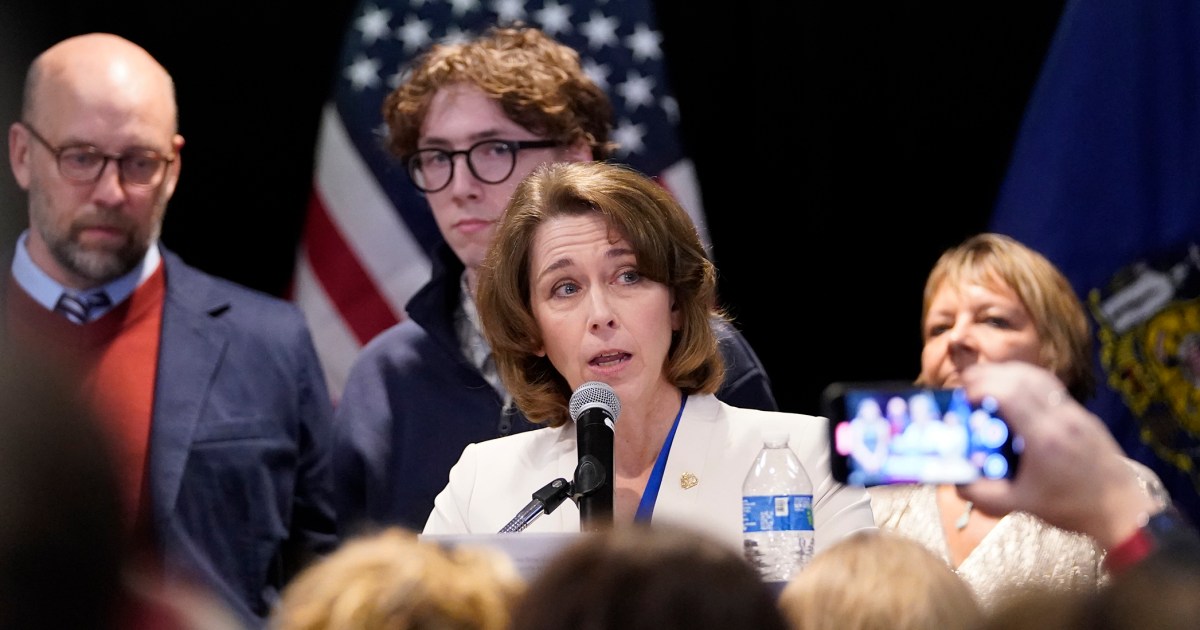
Democratic-aligned Susan Crawford’s decisive victory in Wisconsin’s Supreme Court election is proof that the political engagement of the “resistance” remains sky-high in Donald Trump’s second term. And it simply overwhelms Republicans in a lower-wattage contest like this. Limited time: Save 25% on NBC News subscription Get exclusive reporting, live Q&As and ad-free reading.
AI Summary
Main Idea: Susan Crawford won Wisconsin’s Supreme Court race by a wide margin because Democratic voters showed much stronger turnout and intensity than Republicans.
Key Points:
- Crawford beat Republican-backed Brad Schimel by 10 points in a race with unusually high turnout for an off-year election.
- The article says Democratic voters, especially college-educated and strongly anti-Trump voters, were highly motivated to show up.
- Dane County, a major Democratic stronghold, turned out at a high rate and became even more Democratic than in the last presidential election.
- Republican-leaning areas, including rural parts of Wisconsin and some Milwaukee precincts, saw bigger drop-offs in turnout than Democratic areas.
Impact on the People
Negative Impact
Lower turnout among Trump voters can make small elections swing hard, which may leave many people feeling less represented and more divided.
Positive Impact
High voter energy can help shape policy through elections and keeps more citizens engaged in public decisions.
How did each entity affect people?
Rate how each entity in this article affected the American people.
- Primary:Judge Susan Crawfordperson
- Major:Wisconsinstate
Candidate Entities6 candidates · 5 weighted vote min · 70% decision
- Judge Susan CrawfordpersonPrimaryEvaluated
Democratic-aligned candidate whose victory in Wisconsin’s Supreme Court election is the central result discussed.
Include 0 (0%)Ignore 0 (0%)5 to threshold - WisconsinstateMajorEvaluated
Central setting and electoral jurisdiction for the Supreme Court race and turnout analysis.
Include 0 (0%)Ignore 0 (0%)5 to threshold - President Donald TrumppersonPrimaryAI selected
His second-term political influence and the pro- and anti-Trump turnout dynamic are the main framing of the article.
Include 0 (0%)Ignore 0 (0%)5 to threshold - Brad SchimelpersonMajorAI selected
Republican-backed candidate defeated by Susan Crawford and a key comparison point in the election analysis.
Include 0 (0%)Ignore 0 (0%)5 to threshold - Vice President Kamala HarrispersonContextCandidate
Used as a benchmark for comparing Crawford’s vote share in Dane County.
Include 0 (0%)Ignore 0 (0%)5 to threshold - The New York Timesmedia outletNot scoredCandidate
Mentioned only as part of a comparison to past election commentary.
Include 0 (0%)Ignore 0 (0%)5 to threshold
Comments 0
Comments here are the same thread shown when this article appears in The Pulse.
No comments on this article yet.
Sign in to comment