Rubio downplays NATO rupture on European make-up mission
Read Original Source
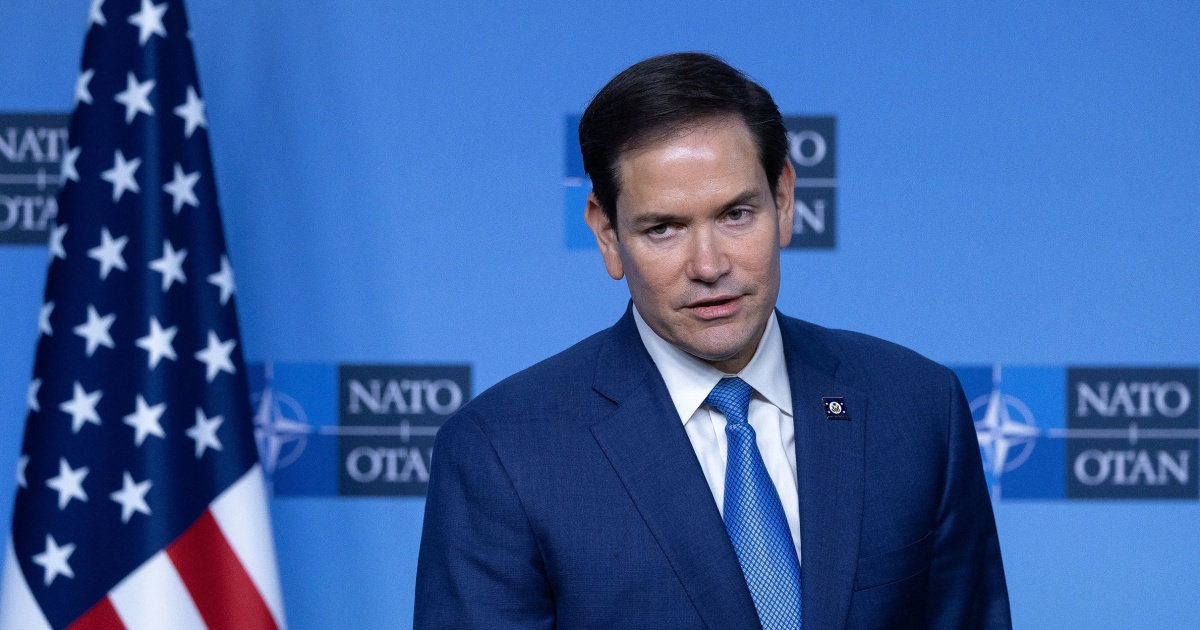
U.S. Secretary of State Marco Rubio and the Trump administration’s new envoy to NATO are seeking to reassure wary NATO allies of the U.S. commitment to the alliance. Limited time: Save 25% on NBC News subscription Get exclusive reporting, live Q&As and ad-free reading. Rubio on Thursday decried “hysteria and hyperbole” in the media about President Donald Trump’s intentions despite persistent signals from Washington that NATO as it has existed for 75 years may no longer be relevant. Rubio and newly confirmed U.S.
AI Summary
Main Idea: Marco Rubio said the U.S. is not leaving NATO and tried to calm fears that President Donald Trump will weaken the alliance, even as European allies worry about U.S. troop cuts and a larger shift away from Europe.
Key Points:
- Rubio called media reports about a NATO break or U.S. pullback “hysteria and hyperbole.”
- He said Trump supports NATO and wants allies to take more responsibility for their own defense.
- NATO allies and Canada remain worried about Trump’s warmer tone toward Russia and new tariffs on allies.
- European leaders want clear signs of any U.S. troop drawdown so they can fill security gaps if needed.
Impact on the People
Negative Impact
Unclear US troop plans and Trump’s pressure on NATO could raise security worries and market uncertainty for American households and businesses.
Positive Impact
Rubio says the United States will stay in NATO, which could help calm allies and lower the risk of sudden defense shocks.
How did each entity affect people?
Rate how each entity in this article affected the American people.
- Primary:President Donald Trumpperson
Candidate Entities9 candidates · 5 weighted vote min · 70% decision
- President Donald TrumppersonPrimaryEvaluated
His NATO stance, rhetoric, and tariff actions drive the article’s central conflict.
Include 0 (0%)Ignore 0 (0%)5 to threshold - North Atlantic Treaty Organizationinternational organizationPrimaryAI selected
The alliance is the article’s main subject and the institution whose future and unity are being discussed.
Include 0 (0%)Ignore 0 (0%)5 to threshold - Secretary of State Marco RubiopersonPrimaryAI selected
Central U.S. official whose statements and Brussels trip are a main focus of the article.
Include 0 (0%)Ignore 0 (0%)5 to threshold - Mark RuttepersonMajorAI selected
NATO chief who responds to allied concerns and comments on possible troop drawdowns.
Include 0 (0%)Ignore 0 (0%)5 to threshold - Matt WhitakerpersonMajorAI selected
Newly confirmed U.S. ambassador to NATO who is jointly representing the administration’s message.
Include 0 (0%)Ignore 0 (0%)5 to threshold - Dutch Ministry of Foreign Affairsgovernment agency or bodyContextCandidate
Dutch Foreign Minister Caspar Veldkamp is quoted on burden sharing and European defense responsibilities.
Include 0 (0%)Ignore 0 (0%)5 to threshold - Secretary Pete HegsethpersonContextCandidate
His prior warning about U.S. security priorities is cited as background to allied unease.
Include 0 (0%)Ignore 0 (0%)5 to threshold
Comments 0
Comments here are the same thread shown when this article appears in The Pulse.
No comments on this article yet.
Sign in to comment