An Idaho warden acquired lethal injection drugs from an undisclosed supplier on a rural road
Read Original Source
A discreet delivery pulled up outside of Idaho’s maximum-security prison near Boise in the state’s exhaustive quest for lethal injection drugs 1 1⁄2 years ago. Just outside of the prison gates, the warden said he met two people transporting pentobarbital — six vials of the liquid placed into cardboard boxes in the back seat of their car. Limited time: Save 25% on NBC News subscription Get exclusive reporting, live Q&As and ad-free reading.
AI Summary
Main Idea: Idaho prison officials, led by warden Tim Richardson, obtained lethal injection drugs in secret roadside meetings as the state tried to keep its execution supply hidden.
Key Points:
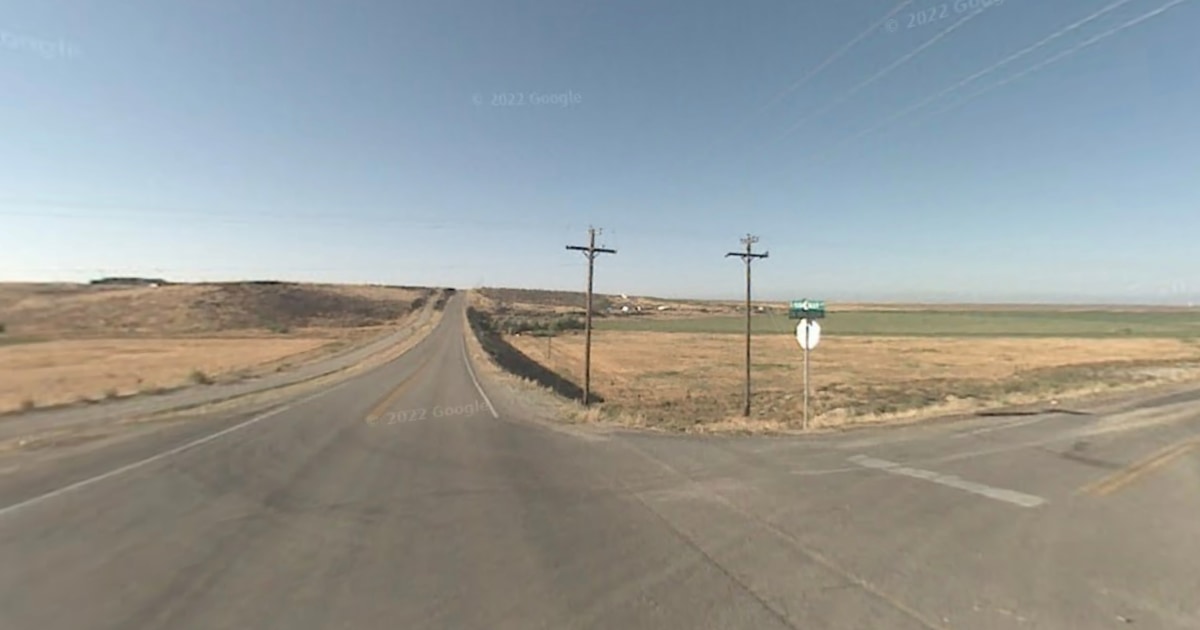
- Court records say Richardson met suppliers outside Idaho’s maximum-security prison and later at a rural road intersection to pick up pentobarbital.
- The state used secrecy rules to hide who sold the drugs, while saying secrecy helps it get execution drugs in a time of shortage.
- Idaho has spent about $200,000 on three pentobarbital purchases, and the drugs expired after the failed execution of Thomas Creech.
- Drug makers say their medicines should not be used for executions, and court filings raise questions about whether Idaho’s supply came from a legitimate source.
Impact on the People
Negative Impact
Idaho’s secret drug buys and high costs can raise taxpayer spending and fuel public distrust in prison oversight and executions.
Positive Impact
No clear positive impact identified.
How did each entity affect people?
Rate how each entity in this article affected the American people.
- Major:Idahostate
Candidate Entities10 candidates · 5 weighted vote min · 70% decision
- IdahostateMajorEvaluated
State whose correction officials, procurement, and execution secrecy are the subject of the article.
Include 0 (0%)Ignore 0 (0%)5 to threshold - Gerald PizzutopersonMajorAI selected
Death row inmate whose execution litigation is central to the article.
Include 0 (0%)Ignore 0 (0%)5 to threshold - Idaho Department of Correctiongovernment agency or bodyMajorAI selected
State correction agency involved in procuring and maintaining secrecy around lethal injection drugs.
Include 0 (0%)Ignore 0 (0%)5 to threshold - Idaho Maximum Security Institutiongovernment agency or bodyMajorAI selected
Prison facility central to the drug pickups and the execution context described in the article.
Include 0 (0%)Ignore 0 (0%)5 to threshold - Thomas CreechpersonMajorAI selected
Death row inmate whose failed execution is a major part of the story.
Include 0 (0%)Ignore 0 (0%)5 to threshold - Tim RichardsonpersonMajorAI selected
Idaho prison warden whose deposition and description of the drug pickups are central to the reporting.
Include 0 (0%)Ignore 0 (0%)5 to threshold - HikmacompanyContextCandidate
Pharmaceutical manufacturer that objected to use of its medicines in executions and commented on Idaho’s purchases.
Include 0 (0%)Ignore 0 (0%)5 to threshold
Comments 0
Comments here are the same thread shown when this article appears in The Pulse.
No comments on this article yet.
Sign in to comment