At America's last alumina refinery, a trade war spells trade-offs
Read Original Source
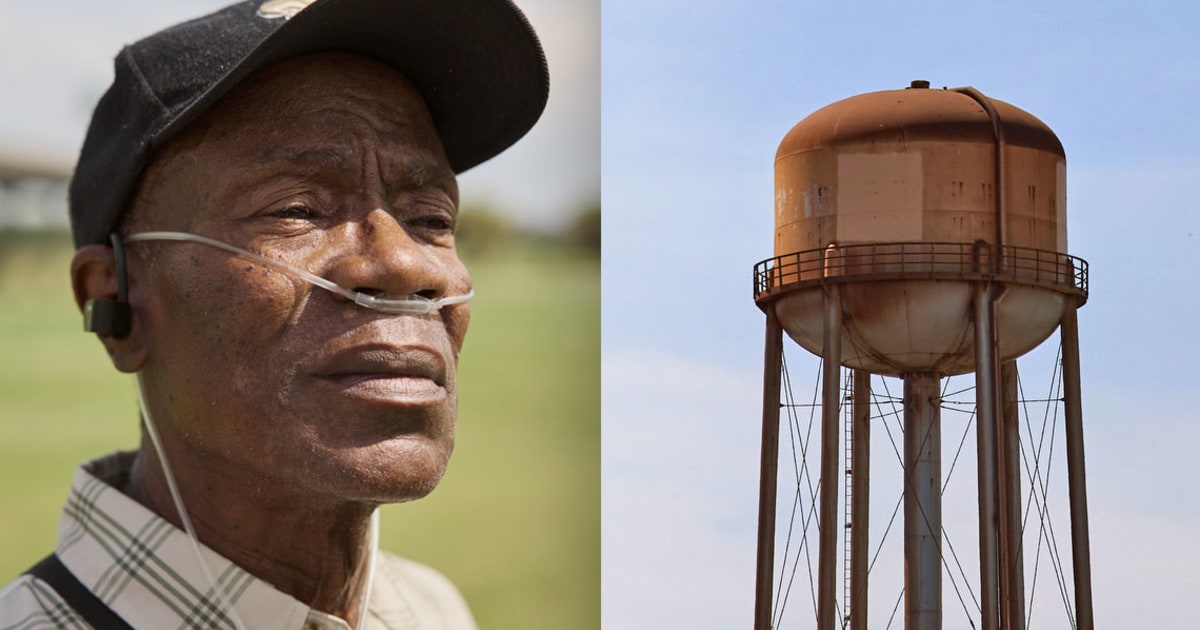
President Donald Trump wants to reinvigorate American industry with tariffs on metals, cars and dozens of foreign exporters. In Gramercy, Louisiana, home to the nation’s last refiner of the key material for making aluminum, locals aren’t sold on joining any such revival. Limited time: Save 25% on NBC News subscription Get exclusive reporting, live Q&As and ad-free reading. “It would be a good thing to go out of business,” Barbara Dumas, 58, said of the plant she’s lived across the river from for 15 years.
AI Summary
Main Idea: President Donald Trump’s new metal tariffs could help U.S. aluminum production, but they also expose a trade-off for Atlantic Alumina’s last U.S. alumina refinery as local residents say the plant brings pollution and health risks.
Key Points:
- Atlantic Alumina’s Gramercy, Louisiana plant is the country’s only alumina refinery, and it supplies a large share of the material used to make aluminum in the U.S.
- Trump’s tariffs are meant to boost domestic metal production, but they do not cover alumina, which leaves the refinery and its parent company, Concord Resources, in a tricky spot.
- Industry experts say rebuilding U.S. smelting and refining will take years, and the country still depends heavily on imported alumina in the meantime.
- Many nearby residents want less industrial activity, not more, because they blame the refinery for dust, pollution, and health problems.
Impact on the People
Negative Impact
Trump’s tariffs could raise prices for aluminum goods and other imports, while higher output at Atlantic Alumina may bring more dust and health risks to nearby Louisiana communities.
Positive Impact
Tariffs may help keep the last US alumina refinery open and support domestic jobs and supply security.
How did each entity affect people?
Rate how each entity in this article affected the American people.
- Primary:Atlantic Aluminacompany
- Primary:President Donald Trumpperson
- Major:Concord Resourcescompany
Candidate Entities8 candidates · 5 weighted vote min · 70% decision
- Atlantic AluminacompanyPrimaryEvaluated
Operator of the Gramercy refinery and a primary focus of the article as the last U.S. alumina refinery.
Include 0 (0%)Ignore 0 (0%)5 to threshold - President Donald TrumppersonPrimaryEvaluated
Central political figure in the story; his metal tariffs are the main policy driver affecting the refinery and.
Include 0 (0%)Ignore 0 (0%)5 to threshold - Concord ResourcescompanyMajorEvaluated
Parent company and majority owner of Atlantic Alumina; its CEO discusses the plant’s difficulties and lobbying efforts.
Include 0 (0%)Ignore 0 (0%)5 to threshold - Aluminum Associationunion / trade associationMajorAI selected
Major trade group representing the sector and central to the article’s discussion of supply, tariffs, and domestic production.
Include 0 (0%)Ignore 0 (0%)5 to threshold - Mark HansenpersonMajorAI selected
CEO of Concord Resources and a key quoted decision-maker on the refinery’s future and national-security role.
Include 0 (0%)Ignore 0 (0%)5 to threshold - Charles JohnsonpersonContextCandidate
CEO of the Aluminum Association who is quoted on the industry’s need for foreign supplies and the time.
Include 0 (0%)Ignore 0 (0%)5 to threshold - Environmental Protection Agencygovernment agency or bodyContextCandidate
Federal agency cited for information about hazardous waste and the refinery’s environmental impacts.
Include 0 (0%)Ignore 0 (0%)5 to threshold
Comments 0
Comments here are the same thread shown when this article appears in The Pulse.
No comments on this article yet.
Sign in to comment