Trump signs executive order to stop federal funding for NPR and PBS
Read Original Source
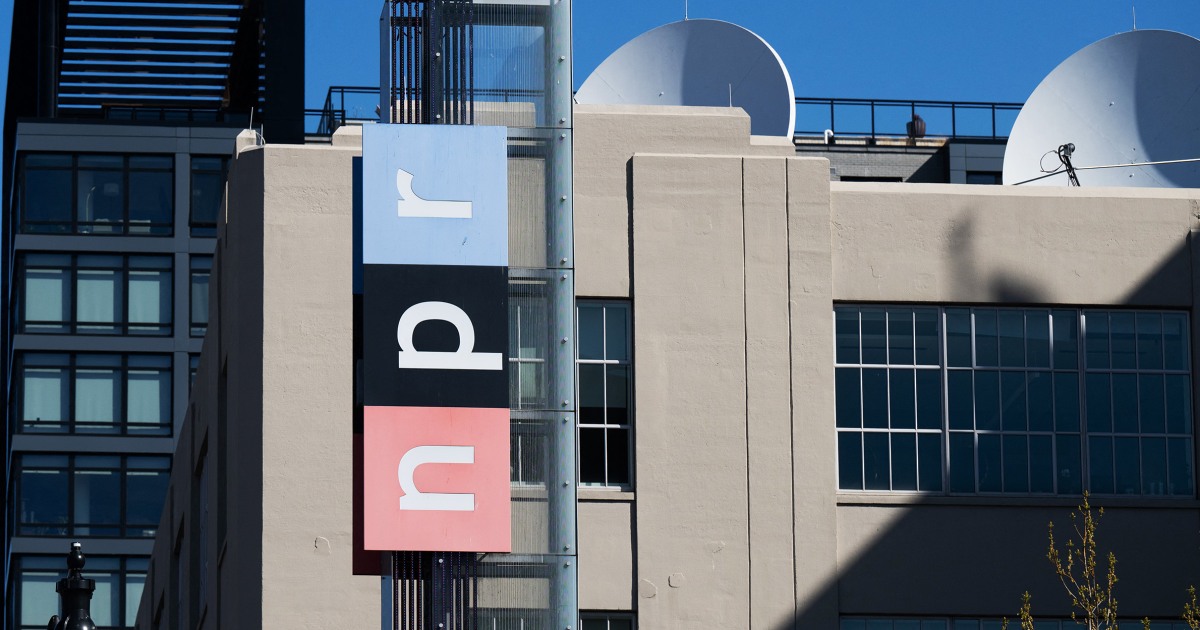
President Donald Trump signed an executive order late Thursday to end public funding of National Public Radio and PBS to stop what he called "biased and partisan news coverage." Limited time: Save 25% on NBC News subscription Get exclusive reporting, live Q&As and ad-free reading. The order directs the Corporation for Public Broadcasting (CPB) to "cease federal funding for NPR and PBS" to the extent allowed by law. The order could be challenged in court.
AI Summary
Main Idea: President Donald Trump signed an order to cut federal funding for NPR and PBS, setting up a likely legal fight over public broadcasting support.
Key Points:
- The order tells the Corporation for Public Broadcasting to stop funding NPR and PBS as far as the law allows.
- Trump and the White House said the broadcasters are biased, while NPR and PBS called the move unlawful and said they will fight it.
- CPB leaders said the White House does not control the nonprofit and argued Congress made it independent from federal officials.
- Public media groups warned the cut could hurt local stations, emergency alerts, and educational service, especially in rural areas.
Impact on the People
Negative Impact
Cutting NPR and PBS funding could weaken local news, emergency alerts, and educational programs, especially in rural areas with few other media choices.
Positive Impact
Some taxpayers may see a tiny federal savings, though the budget impact is very small.
How did each entity affect people?
Rate how each entity in this article affected the American people.
- Primary:Corporation for Public Broadcastingnonprofit / NGO
- Primary:President Donald Trumpperson
Candidate Entities9 candidates · 5 weighted vote min · 70% decision
- Corporation for Public Broadcastingnonprofit / NGOPrimaryEvaluated
Central funding body directed by the executive order and discussed as the key institution in the dispute.
Include 0 (0%)Ignore 0 (0%)5 to threshold - President Donald TrumppersonPrimaryEvaluated
Central actor who signed the executive order to end federal funding for NPR and PBS.
Include 0 (0%)Ignore 0 (0%)5 to threshold - National Public Radiomedia outletPrimaryAI selected
One of the two main organizations targeted by the executive order and responding to it.
Include 0 (0%)Ignore 0 (0%)5 to threshold - Public Broadcasting Servicemedia outletPrimaryAI selected
One of the two main organizations targeted by the executive order and responding to it.
Include 0 (0%)Ignore 0 (0%)5 to threshold - Americas Public Television Stationsnonprofit / NGOMajorAI selected
Advocacy organization that warned the order would limit local stations and harm public media services.
Include 0 (0%)Ignore 0 (0%)5 to threshold - Katherine MaherpersonMajorAI selected
NPR president and CEO who publicly vowed to challenge the order.
Include 0 (0%)Ignore 0 (0%)5 to threshold - Patricia HarrisonpersonMajorAI selected
CPB president and CEO who defended CPB’s independence and authority.
Include 0 (0%)Ignore 0 (0%)5 to threshold
Comments 0
Comments here are the same thread shown when this article appears in The Pulse.
No comments on this article yet.
Sign in to comment