Trump's budget would cut some discretionary spending, increase defense spending
Read Original Source
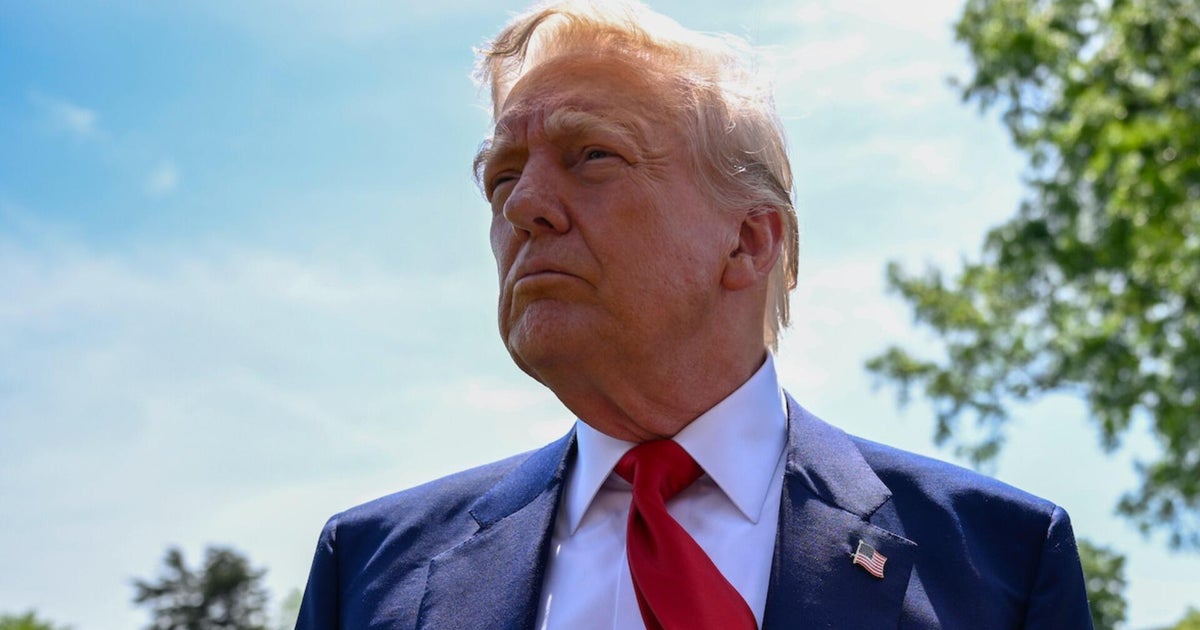
President Trump's budget proposal would cut 22% of non-defense discretionary spending next year while significantly increasing defense spending, according to a senior official with the Office of Management and Budget and information provided by the White House.
AI Summary
Main Idea: President Donald Trump’s budget would sharply cut domestic discretionary spending while boosting defense spending to more than $1 trillion, with DOGE-backed cuts and Congress set to decide the final plan.
Key Points:
- The proposal would cut non-defense discretionary spending by 22%, or about $163 billion, from current levels.
- Defense spending would rise by 13% and top $1 trillion for the first time.
- The biggest cuts would hit agencies like the State Department and Health and Human Services, while Homeland Security would get more money.
- The White House says the plan reflects DOGE-driven efforts to reduce bureaucracy, and Republican-controlled Congress must write and pass the final budget.
Impact on the People
Negative Impact
Lower federal spending could mean cuts to foreign aid, health, and other public services, while households may face more conflict over what Congress should fund.
Positive Impact
Higher defense spending may boost some jobs and military contracts, and DOGE-style cuts could reduce some waste if Congress approves them.
How did each entity affect people?
Rate how each entity in this article affected the American people.
- Primary:President Donald Trumpperson
- Major:Republican-controlled Congressgovernment agency or body
Candidate Entities10 candidates · 5 weighted vote min · 70% decision
- President Donald TrumppersonPrimaryEvaluated
Central actor whose budget proposal is the main subject of the article.
Include 0 (0%)Ignore 0 (0%)5 to threshold - Republican-controlled Congressgovernment agency or bodyMajorEvaluated
The legislative body responsible for crafting and passing the budget described in the article.
Include 0 (0%)Ignore 0 (0%)5 to threshold - Department of Government Efficiencygovernment agency or bodyMajorAI selected
Named White House-backed entity cited as influencing the proposed spending cuts.
Include 0 (0%)Ignore 0 (0%)5 to threshold - Department of Homeland Securitygovernment agency or bodyContextCandidate
Named as one agency that would receive more funding under the proposal.
Include 0 (0%)Ignore 0 (0%)5 to threshold - United States Congressgovernment agency or bodyContextCandidate
Mentioned as the body with budget authority over the president’s recommendation.
Include 0 (0%)Ignore 0 (0%)5 to threshold - United States Department of Health and Human Servicesgovernment agency or bodyContextCandidate
Named as one agency facing significant cuts under the proposal.
Include 0 (0%)Ignore 0 (0%)5 to threshold
Comments 0
Comments here are the same thread shown when this article appears in The Pulse.
No comments on this article yet.
Sign in to comment