Supreme Court revives excessive force claim over deadly Houston police shooting
Read Original Source
WASHINGTON — The Supreme Court on Thursday allowed the mother of a Black man killed following a routine traffic stop in Houston to pursue an excessive force claim against the police officer who shot him. Limited time: Save 25% on NBC News subscription Get exclusive reporting, live Q&As and ad-free reading. The justices faulted a lower court for focusing solely on the moment force was used and not the moments leading up to it. "Today we reject that approach," Justice Elena Kagan wrote for a unanimous court.
AI Summary
Main Idea: The Supreme Court said a lower court used the wrong standard in a deadly Houston police shooting case, letting Janice Hughes pursue her excessive force claim for now.
Key Points:
- Justice Elena Kagan wrote for a unanimous court that judges must look at all the facts, including what led up to the use of force.
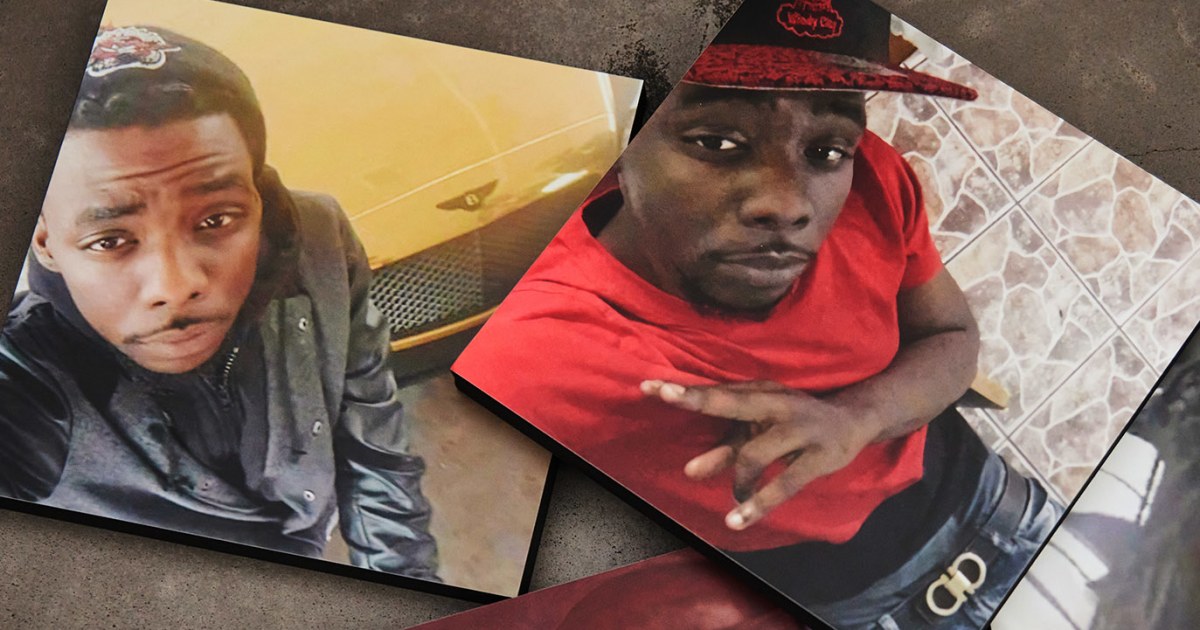
- The case involves Ashtian Barnes, who was shot and killed by a Houston-area traffic officer during a 2016 traffic stop.
- The court rejected the narrow “moment of the threat” approach used by some lower courts in excessive force cases.
- The ruling does not decide the full lawsuit, and the officer may still raise qualified immunity later.
Impact on the People
Negative Impact
The ruling may keep more police shooting lawsuits alive, which can raise costs for cities, taxpayers, and police departments.
Positive Impact
The Supreme Court’s broader review of force may improve accountability and give families a fairer path to challenge deadly police actions.
How did each entity affect people?
Rate how each entity in this article affected the American people.
- Major:Ashtian Barnesperson
- Major:Janice Hughesperson
- Major:Justice Elena Kaganperson
Candidate Entities9 candidates · 5 weighted vote min · 70% decision
- Ashtian BarnespersonMajorEvaluated
The man killed in the Houston traffic-stop shooting that underlies the lawsuit.
Include 0 (0%)Ignore 0 (0%)5 to threshold - Janice HughespersonMajorEvaluated
Plaintiff and mother of Ashtian Barnes whose lawsuit is at the center of the case.
Include 0 (0%)Ignore 0 (0%)5 to threshold - Justice Elena KaganpersonMajorEvaluated
Wrote the majority opinion and is the key named justice explaining the ruling.
Include 0 (0%)Ignore 0 (0%)5 to threshold - Roberto Felix Jr.personMajorAI selected
The police officer who shot Barnes and is the defendant in the excessive-force claim.
Include 0 (0%)Ignore 0 (0%)5 to threshold - Harris County Precinct 5 Constables Officegovernment agency or bodyContextCandidate
Employer of the officer involved and part of the factual background of the shooting.
Include 0 (0%)Ignore 0 (0%)5 to threshold - Justice Brett KavanaughpersonContextCandidate
Issued a separate concurring opinion highlighting police dangers and the limits of the ruling.
Include 0 (0%)Ignore 0 (0%)5 to threshold - New Orleans-based 5th U.S. Circuit Court of Appealsgovernment agency or bodyContextCandidate
Lower appellate court whose approach to the case was rejected by the Supreme Court.
Include 0 (0%)Ignore 0 (0%)5 to threshold
Comments 0
Comments here are the same thread shown when this article appears in The Pulse.
No comments on this article yet.
Sign in to comment