US Supreme Court blocks public funding for Oklahoma religious charter schools
Read Original Source
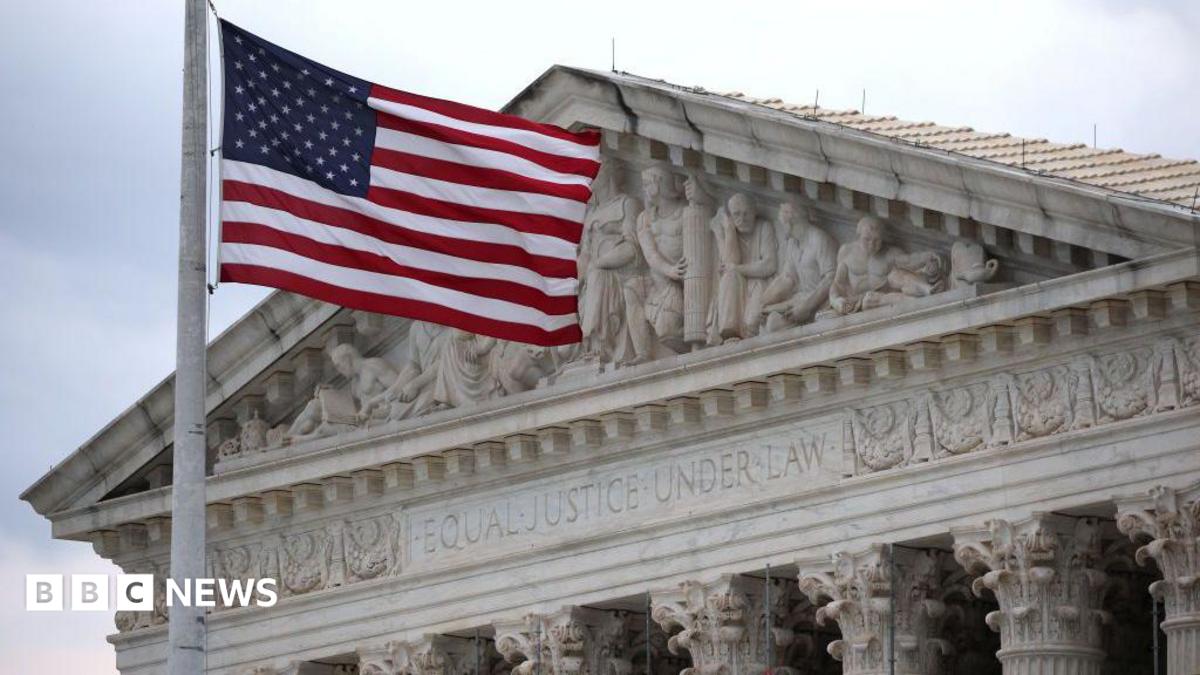
The state of Oklahoma may not direct public state funding to what was set to be the nation's first religious charter school after the US Supreme Court deadlocked over the case. The justices were evenly split, voting 4-4 in a ruling on Thursday. The tie affirms a lower ruling from the Oklahoma State Supreme Court, which found the effort to establish the school violates the US Constitution.
AI Summary
Main Idea: The US Supreme Court blocked Oklahoma from using public funding for a religious charter school after the justices split 4-4, leaving a lower court ruling in place.
Key Points:
- The deadlocked ruling means Oklahoma cannot move ahead with the first publicly funded religious charter school in the US.
- The lower court had found that the plan to create St Isidore of Seville Virtual Catholic Charter School would violate the Constitution.
- The case centered on whether a charter school run by Catholic groups could receive taxpayer money without breaking the rule against government support for religion.
- The school said it was disappointed and may look for other ways to offer Catholic online classes in Oklahoma.
Impact on the People
Negative Impact
Oklahoma taxpayers will not fund a new religious charter school, which limits public money going to faith-based education and may leave the wider church-school fight unresolved.
Positive Impact
The ruling may protect some families and taxpayers from forced support of religious schools, while keeping public school funding and church-state lines clearer.
How did each entity affect people?
Rate how each entity in this article affected the American people.
- Primary:St Isidore of Seville Virtual Catholic Charter Schooleducational / research institution
Candidate Entities10 candidates · 5 weighted vote min · 70% decision
- St Isidore of Seville Virtual Catholic Charter Schooleducational / research institutionPrimaryEvaluated
The proposed religious charter school at the center of the dispute.
Include 0 (0%)Ignore 0 (0%)5 to threshold - United States Supreme Courtgovernment agency or bodyPrimaryAI selected
Central court whose 4-4 split decision determines the outcome of the case.
Include 0 (0%)Ignore 0 (0%)5 to threshold - Attorney General Gentner DrummondpersonMajorAI selected
Oklahoma attorney general who sued to stop the charter school and publicly welcomed the ruling.
Include 0 (0%)Ignore 0 (0%)5 to threshold - Catholic Archdiocese of Oklahoma Citynonprofit / NGOMajorAI selected
Co-runner of the proposed charter school and a central institutional actor.
Include 0 (0%)Ignore 0 (0%)5 to threshold - Diocese of Tulsanonprofit / NGOMajorAI selected
Co-runner of the proposed charter school and a central institutional actor.
Include 0 (0%)Ignore 0 (0%)5 to threshold - OklahomastateMajorAI selected
State whose public funding for a religious charter school is at issue in the ruling.
Include 0 (0%)Ignore 0 (0%)5 to threshold - Oklahoma State Supreme Courtgovernment agency or bodyMajorAI selected
State court whose earlier ruling is affirmed by the deadlocked Supreme Court.
Include 0 (0%)Ignore 0 (0%)5 to threshold
Comments 0
Comments here are the same thread shown when this article appears in The Pulse.
No comments on this article yet.
Sign in to comment