Orthodox Christianity: Young US men joining 'masculine' Russian churches
Read Original Source
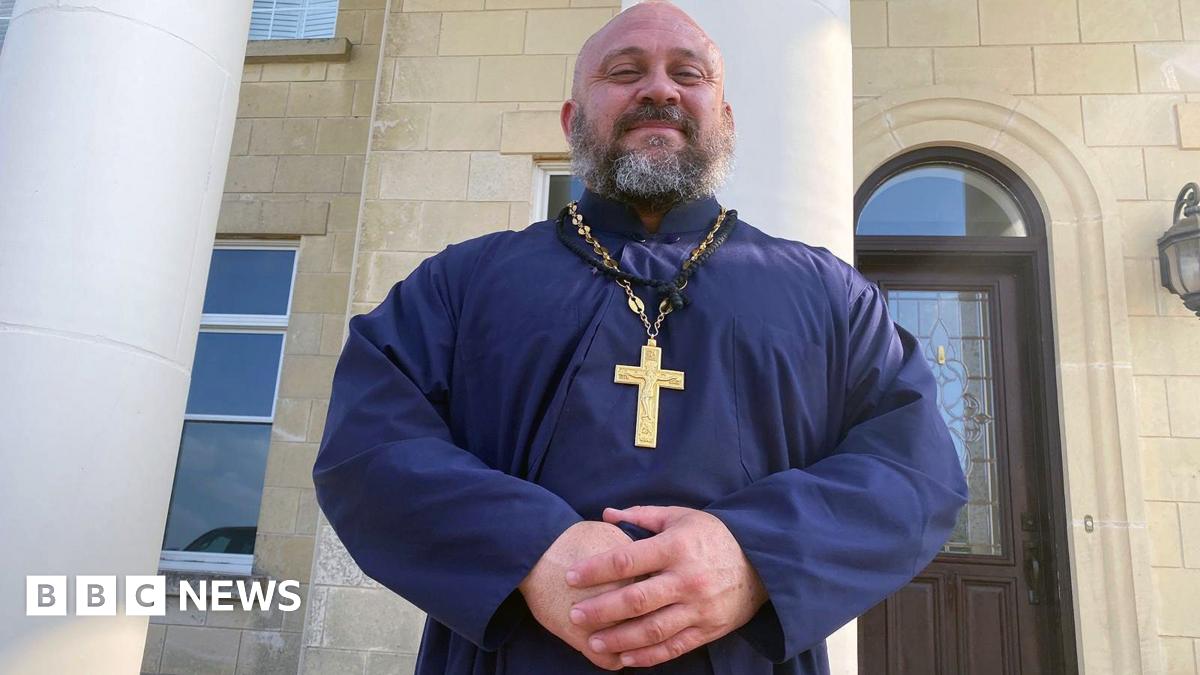
Father Moses McPherson's congregation has tripled in size in 18 months, and he has a big following online "A lot of people ask me: 'Father Moses, how can I increase my manliness to absurd levels?'" In a YouTube video, external, a priest is championing a form of virile, unapologetic masculinity. Skinny jeans, crossing your legs, using an iron, shaping your eyebrows, and even eating soup are among the things he derides as too feminine.
AI Summary
Main Idea: Father Moses McPherson and his Russian Orthodox Church in Texas are drawing more young American men who say they want a more traditional, masculine faith and family life.
Key Points:
- Father Moses says his congregation has tripled in 18 months, with many recent converts preparing for baptism.
- The church’s message appeals to men who feel modern American culture is unfair to masculinity and traditional gender roles.
- Many converts are home-schooling their children and rejecting birth control, which they see as part of a religious family life.
- The article says the growth fits a wider rise in Orthodox converts, especially men, boosted by online clergy and pandemic-era searching for faith.
Impact on the People
Negative Impact
The growth of Russian Orthodox groups may deepen culture-war divides and spread anti-LGBTQ and anti-birth-control views into some US communities.
Positive Impact
The churches may give some people social support, purpose, and stronger family ties.
How did each entity affect people?
Rate how each entity in this article affected the American people.
- Primary:Father Moses McPhersonperson
Candidate Entities8 candidates · 5 weighted vote min · 70% decision
- Father Moses McPhersonpersonPrimaryEvaluated
Central priest and online figure whose views, church growth, and public messaging anchor the article.
Include 0 (0%)Ignore 0 (0%)5 to threshold - Russian Orthodox Church Outside Russiacultural institutionPrimaryAI selected
Primary religious organization discussed as the main institutional setting for the conversion trend.
Include 0 (0%)Ignore 0 (0%)5 to threshold - Orthodox Church in Americacultural institutionMajorAI selected
Major Orthodox body cited for convert data and parish growth in the United States.
Include 0 (0%)Ignore 0 (0%)5 to threshold - Russian Orthodox Churchcultural institutionMajorAI selected
Background religious institution tied to ROCOR’s origins and the article’s broader institutional context.
Include 0 (0%)Ignore 0 (0%)5 to threshold - TheodorepersonMajorAI selected
Named convert whose experience and views are used as a major example of the broader trend.
Include 0 (0%)Ignore 0 (0%)5 to threshold - United StatescountryMajorAI selected
The article is centered on the growth of Orthodox Christianity among young men in the United States.
Include 0 (0%)Ignore 0 (0%)5 to threshold - Elissa Bjeletich DavispersonContextCandidate
Named Orthodox community figure quoted on convert culture and attitudes.
Include 0 (0%)Ignore 0 (0%)5 to threshold
Comments 0
Comments here are the same thread shown when this article appears in The Pulse.
No comments on this article yet.
Sign in to comment