Woman sues Texas lottery commission for unpaid $83 million jackpot
Read Original Source
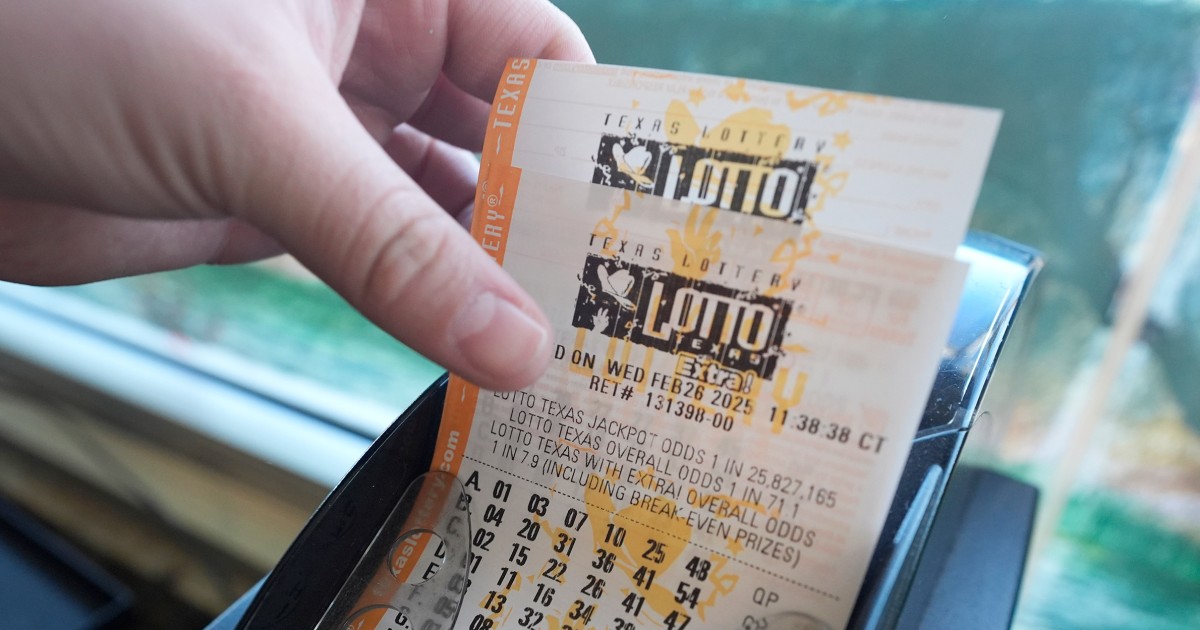
A woman in Texas is accusing the state’s Lottery Commission of withholding an $83.5 million jackpot three months after the numbers on her ticket matched the winning numbers in a drawing, according to a new lawsuit. Limited time: Save 25% on NBC News subscription Get exclusive reporting, live Q&As and ad-free reading. The lawsuit, filed May 19, says the Montgomery County woman identified as Jane Doe bought a lottery ticket on the night of Feb. 17 for the “Lotto Texas” game using the courier service Jackpocket.
AI Summary
Main Idea: A Texas woman is suing the Texas Lottery Commission, saying it is refusing to pay her an $83.5 million jackpot after her ticket matched the winning numbers.
Key Points:
- The woman, identified in the lawsuit as Jane Doe, says she bought the ticket through the Jackpocket courier service for the Lotto Texas game.
- Her lawsuit says the winning ticket was bought for her from a licensed retailer in Austin, and the winning numbers were drawn that same night.
- The Texas Lottery later banned unregulated ticket courier services and said it would investigate the win, raising questions about the rules.
- The commission says the claim is still under review and that it does not comment on pending litigation or investigations.
Impact on the People
Negative Impact
The dispute could shake trust in state lotteries and worry players that winnings may not be paid fairly.
Positive Impact
A court ruling could push clearer rules for courier services and better protect future ticket buyers.
How did each entity affect people?
Rate how each entity in this article affected the American people.
- Primary:Jane Doeperson
- Primary:Texas Lottery Commissiongovernment agency or body
Candidate Entities10 candidates · 5 weighted vote min · 70% decision
- Jane DoepersonPrimaryEvaluated
The plaintiff and alleged jackpot winner; the lawsuit is centered on her claim that the Texas Lottery Commission.
Include 0 (0%)Ignore 0 (0%)5 to threshold - Texas Lottery Commissiongovernment agency or bodyPrimaryEvaluated
Central government body accused of refusing to pay the jackpot and of reviewing/validating the claim amid investigation.
Include 0 (0%)Ignore 0 (0%)5 to threshold - Governor Greg AbbottpersonMajorAI selected
Texas governor whose announcement of an investigation and response to the courier issue is a major part of.
Include 0 (0%)Ignore 0 (0%)5 to threshold - JackpocketcompanyMajorAI selected
The lottery courier service used to buy the ticket and a key business actor in the dispute over.
Include 0 (0%)Ignore 0 (0%)5 to threshold - TexasstateMajorAI selected
The state is a central actor through its lottery system, ban on courier services, and regulatory response.
Include 0 (0%)Ignore 0 (0%)5 to threshold - Director Ryan MindellpersonContextCandidate
Former executive director named in the article in connection with the ban announcement and resignation amid investigations.
Include 0 (0%)Ignore 0 (0%)5 to threshold - Sergio ReypersonContextCandidate
Named interim executive director of the Texas Lottery Commission mentioned in connection with the agency’s current leadership.
Include 0 (0%)Ignore 0 (0%)5 to threshold
Comments 0
Comments here are the same thread shown when this article appears in The Pulse.
No comments on this article yet.
Sign in to comment