Father's hunt for answers after son's suicide brings changes to military
Read Original Source
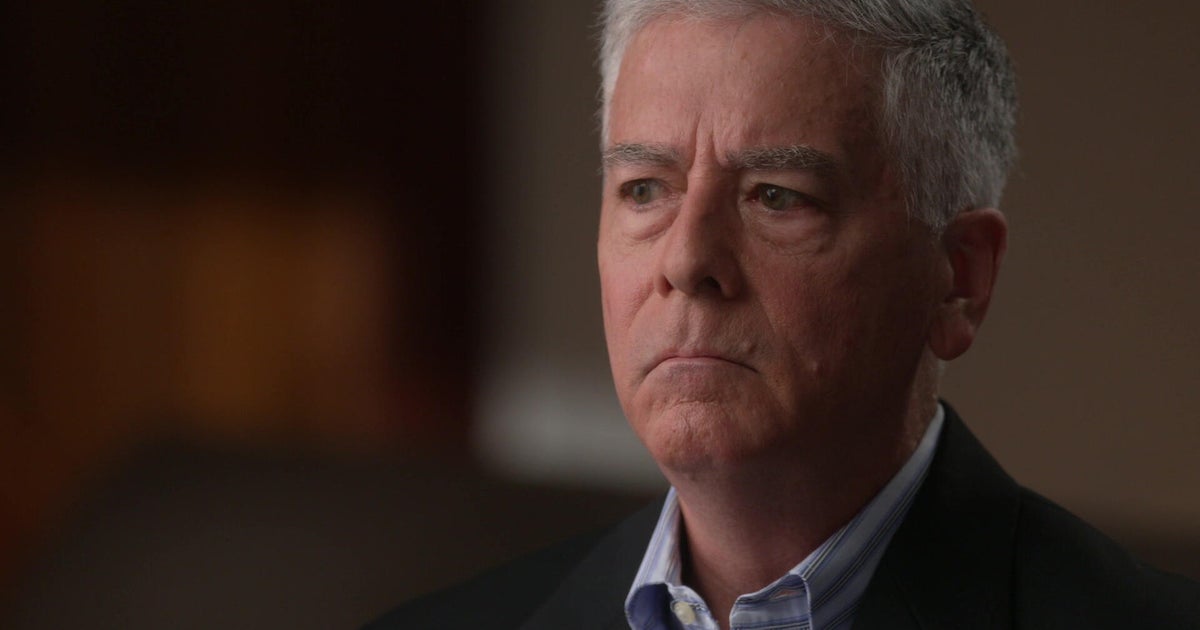
This is an updated version of a story first published on March 23, 2025. The original video can be viewed here. Frank Larkin's service to America is extraordinary—a former Navy SEAL whose government career included the Secret Service, the Pentagon and the U.S. Senate. But Larkin's greatest contribution is happening now, in retirement, after his son, Ryan, a decorated Navy SEAL himself, took his own life. Ryan's death was put down to mental illness—case closed.
AI Summary
Main Idea: Frank Larkin turned his son Ryan’s death into a push for military change, helping uncover possible blast-related brain injuries and new efforts to cut training risks.
Key Points:
- Ryan Larkin, a Navy SEAL, died by suicide after struggling with mental and emotional changes that doctors could not clearly explain.
- Frank Larkin believed his son’s service caused an invisible brain injury, not just depression or alcohol problems, and donated Ryan’s brain for study.
- Research led by Dr. Daniel Perl and later studies in Special Operations found signs that repeated low-level blasts may damage the brain.
- The military is now changing training and weapons use to reduce blast exposure, with more study and new laws pushing the issue forward.
Impact on the People
Negative Impact
Blast injuries from military training can raise suicide risk for service members and add long-term health and care costs for taxpayers and families.
Positive Impact
New rules and safer training may reduce brain damage, improve veteran care, and help protect future soldiers.
How did each entity affect people?
Rate how each entity in this article affected the American people.
- Primary:Frank Larkinperson
- Primary:Ryan Larkinperson
- Major:Dr. Daniel Perlperson
Candidate Entities7 candidates · 5 weighted vote min · 70% decision
- Frank LarkinpersonPrimaryEvaluated
Central figure driving the story; his search for answers about his son's death and his advocacy for change.
Include 0 (0%)Ignore 0 (0%)5 to threshold - Ryan LarkinpersonPrimaryEvaluated
The article centers on his suicide, military service, and the posthumous brain findings tied to his death.
Include 0 (0%)Ignore 0 (0%)5 to threshold - Dr. Daniel PerlpersonMajorEvaluated
Named researcher whose examination of Ryan Larkin's brain is a key part of the article's argument.
Include 0 (0%)Ignore 0 (0%)5 to threshold - Uniformed Services Universityeducational / research institutionMajorAI selected
Military medical school where Ryan Larkin's brain was donated and examined.
Include 0 (0%)Ignore 0 (0%)5 to threshold - Pentagongovernment agency or bodyContextCandidate
Mentioned as part of Frank Larkin's government career and the broader military-policy backdrop.
Include 0 (0%)Ignore 0 (0%)5 to threshold - Secret Servicegovernment agency or bodyContextCandidate
Part of Frank Larkin's public service background and relevant to his credibility in the story.
Include 0 (0%)Ignore 0 (0%)5 to threshold - U.S. Senategovernment agency or bodyContextCandidate
Included because Frank Larkin served as sergeant-at-arms there, underscoring his public service background.
Include 0 (0%)Ignore 0 (0%)5 to threshold
Comments 0
Comments here are the same thread shown when this article appears in The Pulse.
No comments on this article yet.
Sign in to comment