As EVs stumble, automakers are bringing back a kind of hybrid that promises long range
Read Original Source
Major automakers are set to resurrect a type of hybrid vehicle that seemed dead in the U.S. just a few years ago to meet a changing consumer demand landscape. Extended-range electric vehicles (EREVs) are a form of plug-in hybrid that falls midway between traditional hybrids and full EVs. EREV cars and trucks rely on battery powered motors for propulsion (like an EV) but also have a relatively small gas engine to use as a generator to keep the batteries charged up (like a typical hybrid).
AI Summary
Main Idea: As EV sales slow, automakers including General Motors and Ram are bringing back extended-range hybrids that use batteries for driving and a small gas engine to extend range.
Key Points:
- Extended-range electric vehicles, or EREVs, sit between full EVs and regular hybrids because they run mostly on electric power but use gas as a generator.
- The idea is returning because many buyers still worry about range, charging access, and high EV costs.
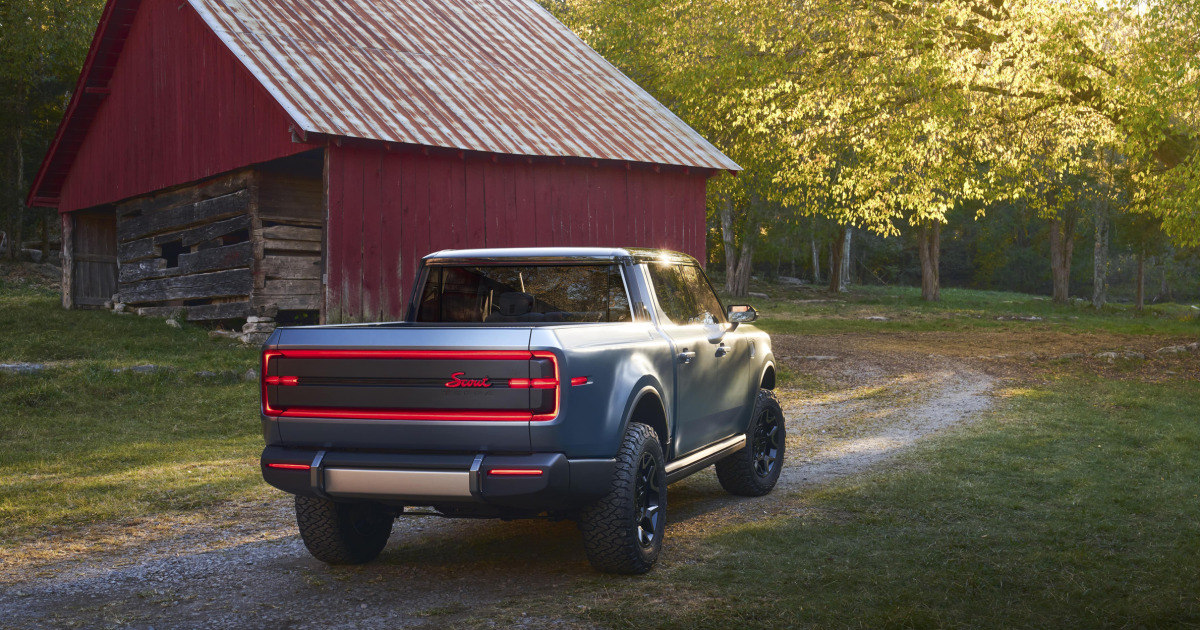
- Ram, Hyundai, Volkswagen’s Scout brand, and others are planning new EREV models with very long driving ranges.
- Toyota is part of the broader hybrid market that is gaining ground, while full EV growth has slowed and hybrids keep selling better and holding value longer.
Impact on the People
Negative Impact
New EREV trucks and SUVs may still cost more than gas cars, and drivers without charging access may get less benefit from the electric side.
Positive Impact
Toyota, GM, and Ram may offer longer-range options that ease range fear, save fuel, and give households a cheaper step toward EVs.
How did each entity affect people?
Rate how each entity in this article affected the American people.
- Major:General Motorscompany
- Major:Rambrand / product
- Major:Toyotacompany
Candidate Entities11 candidates · 5 weighted vote min · 70% decision
- General MotorscompanyMajorEvaluated
Major automaker discussed through the Chevy Volt and its earlier EREV history.
Include 0 (0%)Ignore 0 (0%)5 to threshold - Rambrand / productMajorEvaluated
Central vehicle brand for the upcoming Ram 1500 EREV planned for market launch.
Include 0 (0%)Ignore 0 (0%)5 to threshold - ToyotacompanyMajorEvaluated
Named automaker used as a key comparison point through the Prius and hybrid strategy.
Include 0 (0%)Ignore 0 (0%)5 to threshold - BYD CompanycompanyContextCandidate
Used as the China example for EREV growth and high-range offerings.
Include 0 (0%)Ignore 0 (0%)5 to threshold - Hyundai Motor CompanycompanyContextCandidate
Named automaker planning EREV versions of mid-sized SUVs.
Include 0 (0%)Ignore 0 (0%)5 to threshold - Jeepbrand / productContextCandidate
Mentioned as the brand developing an EREV version of the Grand Wagoneer.
Include 0 (0%)Ignore 0 (0%)5 to threshold - Scoutbrand / productContextCandidate
Brand under which Volkswagen plans to produce EREV pickup and SUV models.
Include 0 (0%)Ignore 0 (0%)5 to threshold - Genesisbrand / productMinorCandidate
Brand expected to sell Hyundai’s planned EREV models.
Include 0 (0%)Ignore 0 (0%)5 to threshold
Comments 0
Comments here are the same thread shown when this article appears in The Pulse.
No comments on this article yet.
Sign in to comment