Doctors found a tumor on her spine. They removed it through her eye.
Read Original Source
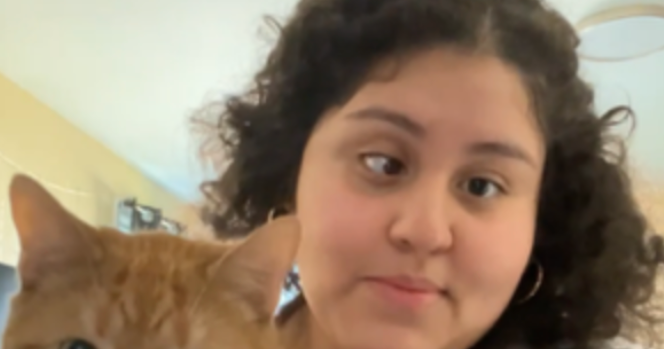
Karla Flores was 18 when she started experiencing double vision. She knew something was wrong but struggled to find a diagnosis. Finally, she saw an ophthalmologist who referred her to a neurosurgeon. Flores, then 19, was diagnosed with a chordoma wrapped around her brain stem. Chordomas are incredibly rare — only about 300 are diagnosed per year in the United States, according to the Cleveland Clinic — and they are slow-growing, malignant tumors.
AI Summary
Main Idea: Doctors at the University of Maryland Medical Center used an unusual eye-based surgery to remove a rare spinal tumor from Karla Flores after she had been told the growth could have left her paralyzed.
Key Points:
- Flores first had double vision and was later found to have a rare chordoma near her brain stem and another at the top of her spine.
- Dr. Mohamed Labib planned a new "third nostril" approach after standard methods would not safely reach the second tumor.
- The team removed the spinal tumor through an opening near her eye, then rebuilt the area with titanium and bone from her hip.
- Flores has no sign of cancer after further radiation, though she still has nerve damage and faces large medical bills.
Impact on the People
Negative Impact
Rare spinal tumors can lead to paralysis risk, long surgeries, and huge medical bills for patients and families.
Positive Impact
University of Maryland Medical Center's new eye-based approach could help doctors remove hard-to-reach tumors and improve survival for future patients.
How did each entity affect people?
Rate how each entity in this article affected the American people.
- Primary:Dr. Mohamed Labibperson
- Primary:Karla Floresperson
- Primary:University of Maryland Medical Centereducational / research institution
Candidate Entities6 candidates · 5 weighted vote min · 70% decision
- Dr. Mohamed LabibpersonPrimaryEvaluated
Neurosurgeon who led the complex treatment and explains the surgical approach that drives the story.
Include 0 (0%)Ignore 0 (0%)5 to threshold - Karla FlorespersonPrimaryEvaluated
The patient at the center of the story whose diagnosis, surgeries, recovery, and medical bills are the article’s.
Include 0 (0%)Ignore 0 (0%)5 to threshold - University of Maryland Medical Centereducational / research institutionPrimaryEvaluated
The hospital where the surgeries were performed and the central institution behind the treatment.
Include 0 (0%)Ignore 0 (0%)5 to threshold - Dr. Andrea HebertpersonMajorAI selected
Named head and neck surgeon who helped drill through the vertebrae to reach the tumor.
Include 0 (0%)Ignore 0 (0%)5 to threshold - Dr. Kalpesh T. VakhariapersonMajorAI selected
Named surgeon who performed part of the eye and facial reconstruction in the operation.
Include 0 (0%)Ignore 0 (0%)5 to threshold - Lucia I Suarez SangpersonMentionCandidate
Listed as the editor of the article, but not part of the story itself.
Include 0 (0%)Ignore 0 (0%)5 to threshold
Comments 0
Comments here are the same thread shown when this article appears in The Pulse.
No comments on this article yet.
Sign in to comment