7 senators to watch as Republicans make changes to Trump's big bill
Read Original Source
WASHINGTON — As Senate Republican leaders push to a massive bill for President Donald Trump’s agenda by July 4, they are juggling a host of competing demands. Limited time: Save 25% on NBC News subscription Get exclusive reporting, live Q&As and ad-free reading. Some senators are genuine threats to vote against the legislation, while others are expected to support it in the end after using their demands to shape it. Several of them have complicated political considerations.
AI Summary
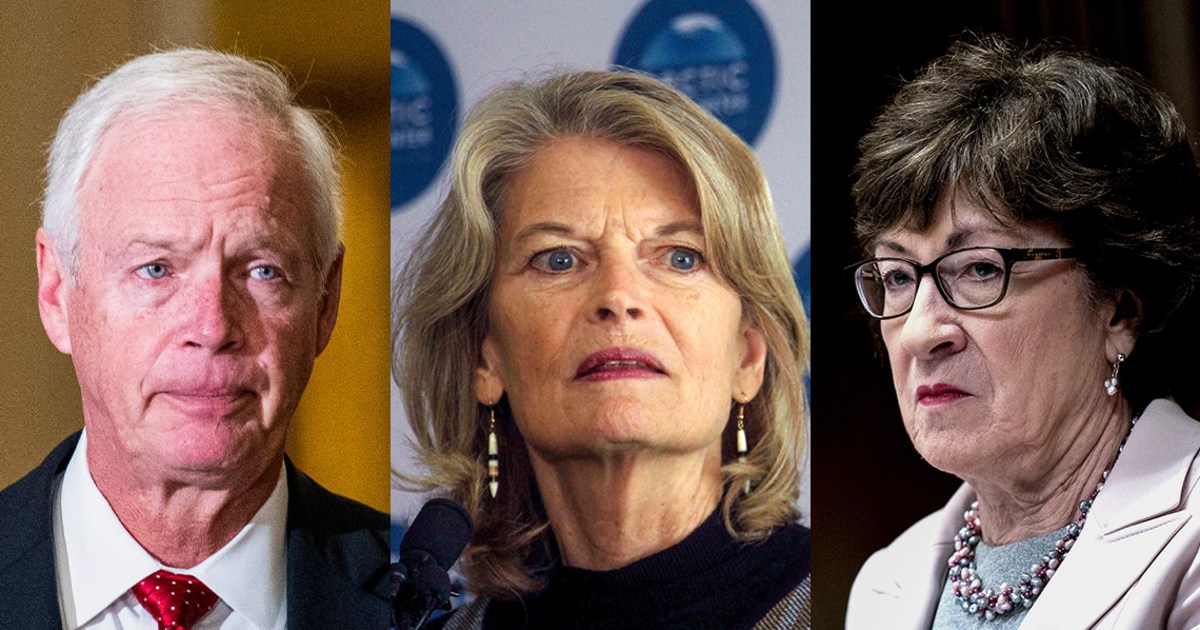
Main Idea: Senate Republicans are rewriting Trump’s big bill, with Rand Paul, Susan Collins, and Lisa Murkowski among the key senators most likely to shape or challenge the final vote.
Key Points:
- Rand Paul is the clearest GOP no vote, mainly because he says the bill adds too much to the deficit and debt limit.
- Susan Collins is worried about Medicaid cuts and may oppose the bill unless those parts are softened, especially with her re-election coming up.
- Lisa Murkowski has warned she cannot support the bill as written because of Medicaid cuts, the tax-credit changes, and the way the bill hides its cost.
- Other senators like Thom Tillis and Ron Johnson may push for changes, but party leaders still need 50 Republican votes to pass the bill by July 4.
Impact on the People
Negative Impact
The bill could raise deficits and cut Medicaid or other benefits, which may mean higher debt risk and less help for patients and low-income households.
Positive Impact
Senators like Susan Collins and Lisa Murkowski may push changes that soften the bill’s harshest cuts and protect some clean energy projects and local jobs.
How did each entity affect people?
Rate how each entity in this article affected the American people.
- Primary:Senator Lisa Murkowskiperson
- Primary:Senator Rand Paulperson
Candidate Entities11 candidates · 5 weighted vote min · 70% decision
- Senator Lisa MurkowskipersonPrimaryEvaluated
Central senator whose demands and possible support are a major focus of the article.
Include 0 (0%)Ignore 0 (0%)5 to threshold - Senator Rand PaulpersonPrimaryEvaluated
Central senator whose opposition to the bill is a main focus of the article.
Include 0 (0%)Ignore 0 (0%)5 to threshold - Senator Mike CrapopersonPrimaryAI selected
Key Senate Finance Committee chair helping craft the bill and shaping its outcome.
Include 0 (0%)Ignore 0 (0%)5 to threshold - Senator Ron JohnsonpersonPrimaryAI selected
Central senator whose opposition to the bill is a major focus of the article.
Include 0 (0%)Ignore 0 (0%)5 to threshold - Senator Susan CollinspersonPrimaryAI selected
Central senator whose vote and concerns are a major focus of the article.
Include 0 (0%)Ignore 0 (0%)5 to threshold - Senator Thom TillispersonPrimaryAI selected
Central senator whose proposed changes and likely vote are a major focus of the article.
Include 0 (0%)Ignore 0 (0%)5 to threshold - President Donald TrumppersonMajorAI selected
President whose agenda bill is the article’s central legislative focus and whose pressure affects senators.
Include 0 (0%)Ignore 0 (0%)5 to threshold - Senate Finance Committeegovernment agency or bodyContextCandidate
Key committee involved in crafting major parts of the legislation, especially tax and Medicaid provisions.
Include 0 (0%)Ignore 0 (0%)5 to threshold
Comments 0
Comments here are the same thread shown when this article appears in The Pulse.
No comments on this article yet.
Sign in to comment