Supreme Court halts lower court order requiring DOGE to hand over records
Read Original Source
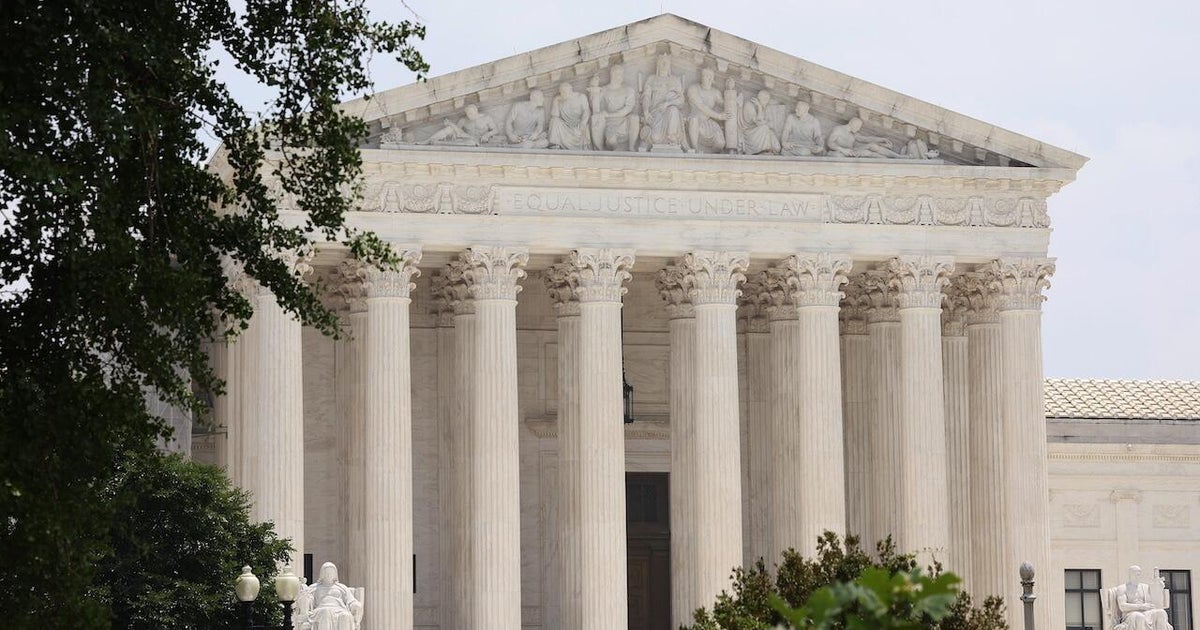
Washington — The Supreme Court on Friday halted lower court orders that required the White House's Department of Government Efficiency to turn over information to a government watchdog group as part of a lawsuit that tests whether President Trump's cost-cutting task force has to comply with federal public records law.
AI Summary
Main Idea: The Supreme Court blocked a lower court order that would have forced DOGE to hand over records and let its acting leader sit for a deposition in a FOIA dispute.
Key Points:
- The decision gives DOGE temporary relief while the case continues in the lower courts.
- The lawsuit was filed by Citizens for Responsibility and Ethics in Washington, which says DOGE should be treated like an agency under public records law.
- The Trump administration argues DOGE is only a presidential advisory body and should not have to follow FOIA.
- The Supreme Court did not decide whether DOGE is covered by FOIA, but it sent the case back for more review.
Impact on the People
Negative Impact
The ruling may delay public access to DOGE records, making it harder for voters and taxpayers to see how a major cost-cutting task force works.
Positive Impact
The pause may protect private White House advice and reduce disclosure burdens while courts sort out the law.
How did each entity affect people?
Rate how each entity in this article affected the American people.
- Primary:Citizens for Responsibility and Ethics in Washingtonnonprofit / NGO
- Primary:Supreme Courtgovernment agency or body
Candidate Entities12 candidates · 5 weighted vote min · 70% decision
- Citizens for Responsibility and Ethics in Washingtonnonprofit / NGOPrimaryEvaluated
Watchdog group that sued and sought records from DOGE, driving the underlying case.
Include 0 (0%)Ignore 0 (0%)5 to threshold - Supreme Courtgovernment agency or bodyPrimaryEvaluated
Central court that halted the lower court order and sent the case back for further proceedings.
Include 0 (0%)Ignore 0 (0%)5 to threshold - Department of Government Efficiencygovernment agency or bodyPrimaryAI selected
White House task force at the center of the dispute over records, deposition testimony, and FOIA coverage.
Include 0 (0%)Ignore 0 (0%)5 to threshold - Amy GleasonpersonMajorAI selected
Identified acting administrator of DOGE whose deposition was paused by the court order.
Include 0 (0%)Ignore 0 (0%)5 to threshold - Chief Justice John RobertspersonMajorAI selected
Temporarily paused the lower court order last month and played a central procedural role.
Include 0 (0%)Ignore 0 (0%)5 to threshold - Judge Christopher CooperpersonMajorAI selected
District judge who ordered DOGE to turn over documents and complete depositions.
Include 0 (0%)Ignore 0 (0%)5 to threshold - President Donald TrumppersonMajorAI selected
His administration created DOGE and his second-term agenda is central to the dispute.
Include 0 (0%)Ignore 0 (0%)5 to threshold
Comments 0
Comments here are the same thread shown when this article appears in The Pulse.
No comments on this article yet.
Sign in to comment