A woman's heart suddenly stopped. Two passing nurses saved her life.
Read Original Source
Merryl Hoffman knew she was taking good care of her heart. The 63-year-old attorney didn't smoke or drink, and she was an avid hiker who used to run marathons and other distance races. In her 40s, she had been diagnosed with a leaky mitral valve and underwent surgery to repair it. Every year since, she has seen a cardiologist to check her heart and its function. The reports always came back clear. When Hoffman left her apartment on Manhattan's Upper East Side on Oct.
AI Summary
Main Idea: Merryl Hoffman survived a sudden cardiac arrest in New York City after two nurses and other bystanders performed CPR until help arrived.
Key Points:
- Hoffman collapsed while walking to work after her heart suddenly stopped beating.
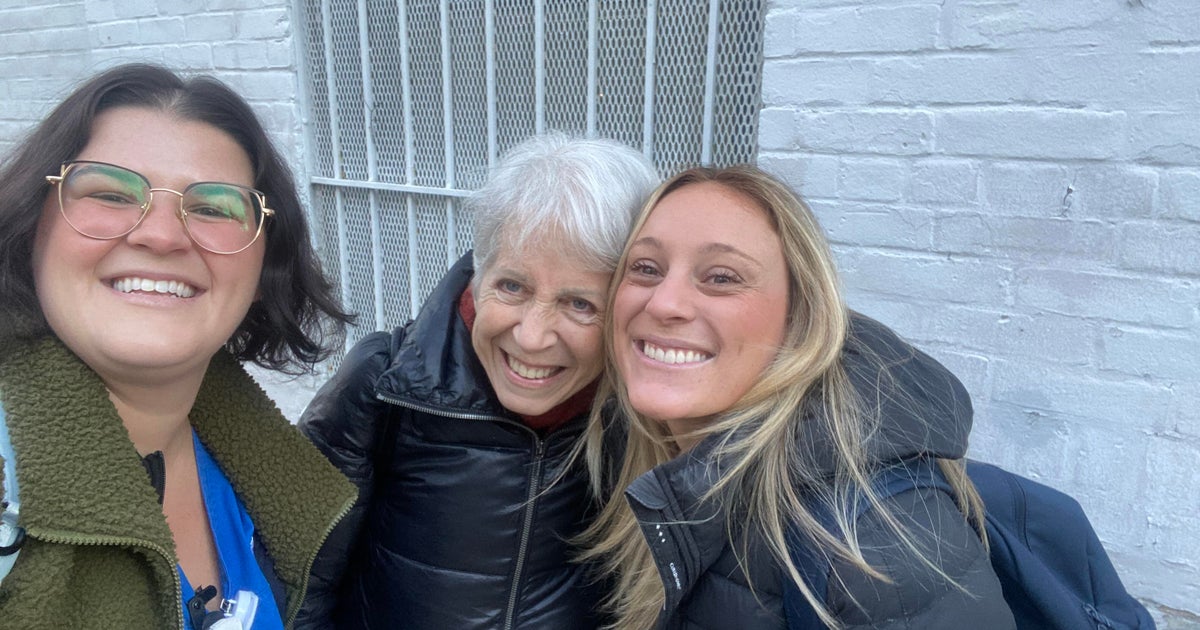
- Two Memorial Sloan Kettering nurses, Sabrina Castle and Gianna Formisano, took over CPR at the scene.
- Quick bystander action kept blood flowing until EMTs arrived, which doctors said likely saved her life.
- Hoffman later got an implantable defibrillator, recovered, returned to work, and later met the nurses who helped her.
Impact on the People
Negative Impact
No clear negative impact identified.
Positive Impact
Hoffman’s rescue shows that quick CPR by trained bystanders and nurses can save lives in sudden cardiac arrest, making CPR awareness and public training valuable for communities.
How did each entity affect people?
Rate how each entity in this article affected the American people.
- Primary:Gianna Formisanoperson
- Primary:Merryl Hoffmanperson
- Primary:Sabrina Castleperson
Candidate Entities8 candidates · 5 weighted vote min · 70% decision
- Gianna FormisanopersonPrimaryEvaluated
One of the nurses who performed CPR and is a key rescuer in the account.
Include 0 (0%)Ignore 0 (0%)5 to threshold - Merryl HoffmanpersonPrimaryEvaluated
Central subject of the story; her sudden cardiac arrest and recovery drive the article.
Include 0 (0%)Ignore 0 (0%)5 to threshold - Sabrina CastlepersonPrimaryEvaluated
One of the nurses who performed CPR and is a key rescuer in the account.
Include 0 (0%)Ignore 0 (0%)5 to threshold - Memorial Sloan Kettering Cancer Centercultural institutionMajorAI selected
The location where Hoffman collapsed and where the nurses worked; central to the rescue context.
Include 0 (0%)Ignore 0 (0%)5 to threshold - NewYork-Presbyteriancultural institutionMajorAI selected
Hospital where Hoffman received further treatment and where the rescuers followed up on her condition.
Include 0 (0%)Ignore 0 (0%)5 to threshold - Columbia University Irving Medical Centereducational / research institutionContextCandidate
Named as part of Dr. Jessica Hennessey’s affiliated medical center in her quoted explanation.
Include 0 (0%)Ignore 0 (0%)5 to threshold - Dr. Jessica HennesseypersonContextCandidate
Cardiologist quoted to explain why early CPR improves survival; informative but not a main focus.
Include 0 (0%)Ignore 0 (0%)5 to threshold
Comments 0
Comments here are the same thread shown when this article appears in The Pulse.
No comments on this article yet.
Sign in to comment