Iran's retaliation could send gas prices soaring — but it might hurt Tehran even more
Read Original Source
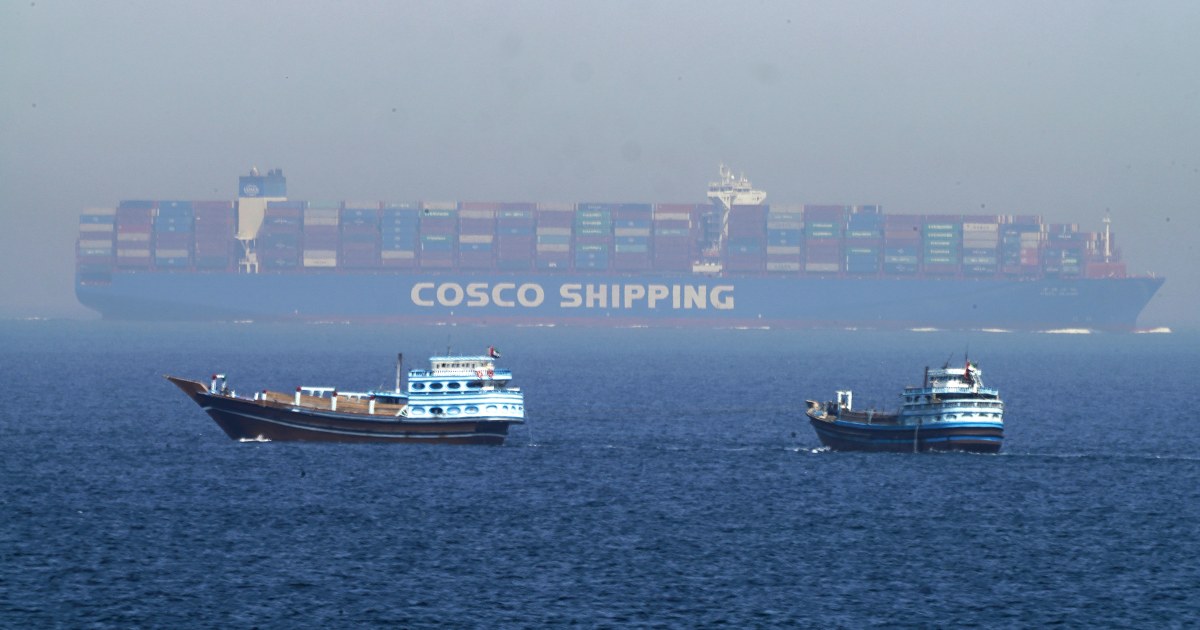
Iran may be threatening to close the Strait of Hormuz, but experts told CNBC that it’s also the one with the most to lose. Limited time: Save 25% on NBC News subscription Get exclusive reporting, live Q&As and ad-free reading. In a major move after U.S. struck Iranian nuclear sites, the country’s parliament on Sunday reportedly approved the closure of the Strait of Hormuz, risking alienating its neighbors and trade partners.
AI Summary
Main Idea: Iran’s threat to block the Strait of Hormuz could push up U.S. gas prices, but experts say Iran may suffer even more if it follows through.
Key Points:
- Iran’s parliament reportedly backed closing the Strait of Hormuz after U.S. strikes on Iranian nuclear sites, but the final decision is still with Iran’s national security council.
- Experts said a full closure is unlikely because Iran depends on the strait for its own oil exports and could anger key buyers like China.
- The strait is a major global energy route, with about 20% of the world’s oil and large amounts of gas passing through it.
- Analysts warned that even a partial disruption could raise oil and gas prices worldwide and could briefly push Brent crude near $110 a barrel in a severe case.
Impact on the People
Negative Impact
US households and small businesses could face higher gas, heating, and shipping costs if Hormuz oil flows are disrupted.
Positive Impact
No clear positive impact identified.
How did each entity affect people?
Rate how each entity in this article affected the American people.
- Major:United Statescountry
Candidate Entities10 candidates · 5 weighted vote min · 70% decision
- United StatescountryMajorEvaluated
Central opposing country whose strike on Iranian nuclear sites and call for China’s intervention shape the story.
Include 0 (0%)Ignore 0 (0%)5 to threshold - Andrew BishoppersonContextCandidate
Named policy research head quoted on Iran’s likely strategy and the consequences of disruption.
Include 0 (0%)Ignore 0 (0%)5 to threshold - United Arab EmiratescountryContextCandidate
Named Gulf oil producer that would be affected by any closure of the strait.
Include 0 (0%)Ignore 0 (0%)5 to threshold - Vandana HaripersonContextCandidate
Named energy analyst quoted assessing the likelihood and impact of a strait closure.
Include 0 (0%)Ignore 0 (0%)5 to threshold - Center for Strategic and International Studieseducational / research institutionMinorCandidate
Named research institution cited for analysis of China’s dependence on Gulf energy flows.
Include 0 (0%)Ignore 0 (0%)5 to threshold - Commonwealth Bank of AustraliacompanyMinorCandidate
Named bank cited for commentary on bypass capacity and transport constraints.
Include 0 (0%)Ignore 0 (0%)5 to threshold - GasBuddycompanyMinorCandidate
Named petroleum-analysis company whose head comments on expected U.S. pump prices.
Include 0 (0%)Ignore 0 (0%)5 to threshold
Comments 0
Comments here are the same thread shown when this article appears in The Pulse.
No comments on this article yet.
Sign in to comment