Supreme Court takes up religious claim by Rastafarian whose dreadlocks were cut by prison officials
Read Original Source
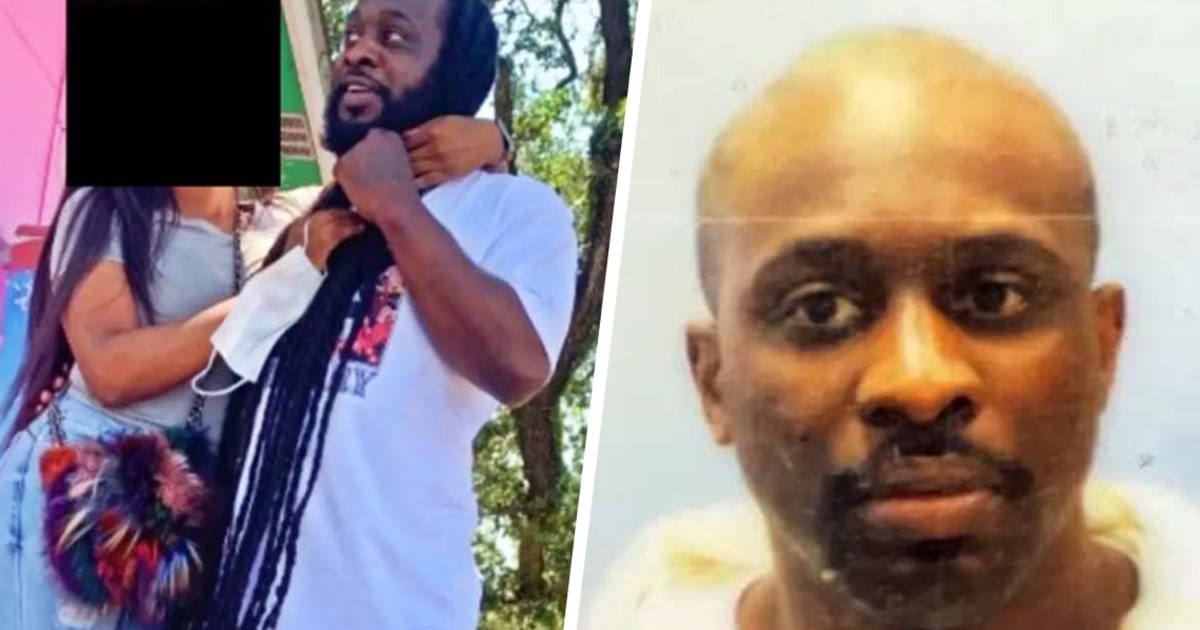
WASHINGTON — Taking up a new religious rights case, the Supreme Court agreed Monday to weigh a claim for damages brought by a devout Rastafarian whose dreadlocks were cut by Louisiana prison officials against his wishes. Limited time: Save 25% on NBC News subscription Get exclusive reporting, live Q&As and ad-free reading. At the time of the incident in 2020, Damon Landor had kept a religious vow not to cut his hair for almost 20 years.
AI Summary
Main Idea: The Supreme Court will decide whether a Rastafarian prisoner can get money damages after Louisiana prison officials cut off his dreadlocks against his religious beliefs.
Key Points:
- Damon Landor said he had kept a religious vow not to cut his hair for nearly 20 years.
- He was handcuffed to a chair and had his dreadlocks shaved off after he showed prison staff a court ruling about Rastafarian hair rights.
- Lower courts ruled that the federal law he sued under does not allow money damages.
- The Supreme Court will hear the case in its next term, and Louisiana says it has already changed its grooming policy.
Impact on the People
Negative Impact
If the Court allows money damages, states and prisons could face higher costs and more lawsuits over religious rights violations.
Positive Impact
A ruling for Landor could better protect religious freedom for prisoners and push prisons to follow accommodation rules more carefully.
How did each entity affect people?
Rate how each entity in this article affected the American people.
- Primary:Damon Landorperson
Candidate Entities6 candidates · 5 weighted vote min · 70% decision
- Damon LandorpersonPrimaryEvaluated
The Rastafarian plaintiff whose claim about the cutting of his dreadlocks is the focus of the article.
Include 0 (0%)Ignore 0 (0%)5 to threshold - Supreme Court of the United Statesgovernment agency or bodyPrimaryAI selected
Central institution taking up the case and deciding whether money damages are available under the statute.
Include 0 (0%)Ignore 0 (0%)5 to threshold - 5th U.S. Circuit Court of Appealsgovernment agency or bodyMajorAI selected
Federal appeals court that ruled against Landor and whose decision is under review.
Include 0 (0%)Ignore 0 (0%)5 to threshold - LouisianastateMajorAI selected
The state whose prison officials and attorney general are central to the dispute.
Include 0 (0%)Ignore 0 (0%)5 to threshold - Louisiana Attorney General Elizabeth MurrillpersonMajorAI selected
Named state official who is central to Louisiana’s legal position in the case.
Include 0 (0%)Ignore 0 (0%)5 to threshold - Raymond Laborde Correction Centergovernment agency or bodyContextCandidate
The prison facility where the haircut incident occurred and whose staff actions are part of the case background.
Include 0 (0%)Ignore 0 (0%)5 to threshold
Comments 0
Comments here are the same thread shown when this article appears in The Pulse.
No comments on this article yet.
Sign in to comment