Oil prices show muted gains as world awaits Iranian response to U.S. strikes
Read Original Source
U.S. oil prices retreated from weekly highs as markets assessed the potential for a reprieve in Middle East turmoil following a week of escalating tensions. Limited time: Save 25% on NBC News subscription Get exclusive reporting, live Q&As and ad-free reading. The U.S. crude oil price benchmark, West Texas Intermediate, fell 8% to less than $68 a barrel, the lowest level since last week. The global Brent crude price benchmark likewise fell about 8%. Major stock indexes ended the day in positive territory.
AI Summary
Main Idea: Oil prices fell after U.S. strikes on Iran as markets waited to see how Iran would respond and whether the conflict would spread.
Key Points:
- West Texas Intermediate dropped about 8% to below $68 a barrel, while Brent also fell about 8%.
- Traders saw Iran’s missile strike on a U.S. base in Qatar as limited and mostly symbolic, which eased fear of major damage.
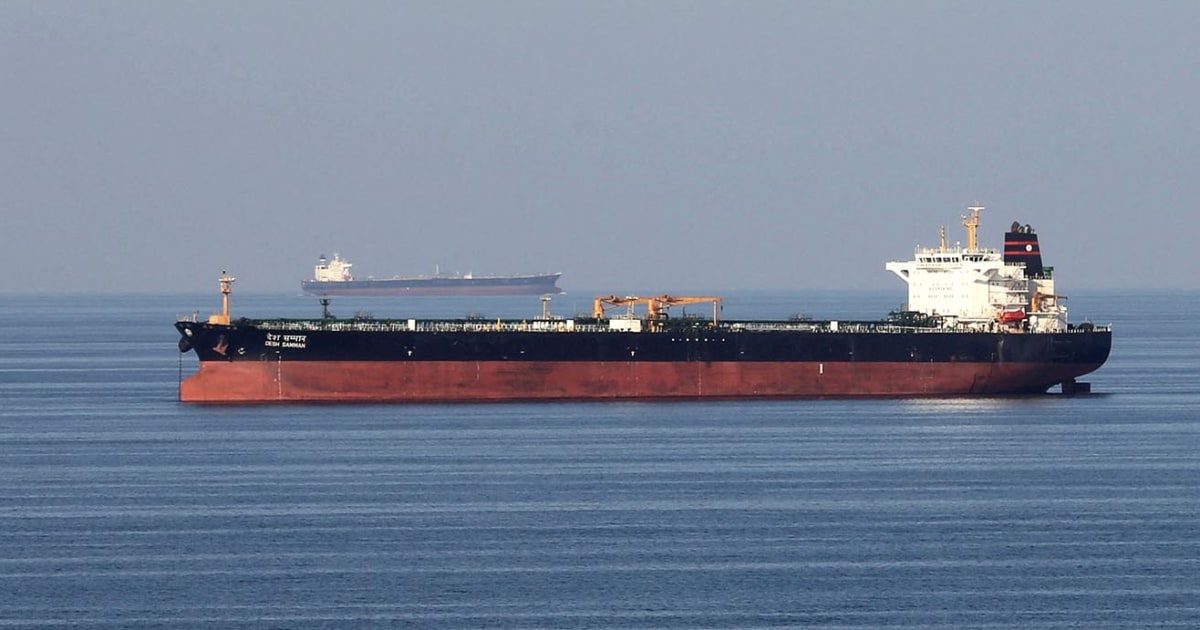
- Markets are watching the Strait of Hormuz, a key oil route, but shutdown threats now look less likely.
- Trump urged oil prices lower, while analysts said the biggest near-term effect may be more uncertainty rather than immediate supply losses.
Impact on the People
Negative Impact
Oil swings can raise gas, shipping, and other energy costs for US households and small businesses if Middle East tensions flare again.
Positive Impact
Lower oil prices now may ease fuel bills and inflation for consumers if the calm lasts.
How did each entity affect people?
Rate how each entity in this article affected the American people.
- Major:United Statescountry
Candidate Entities9 candidates · 5 weighted vote min · 70% decision
- United StatescountryMajorEvaluated
Central state in the strikes and the oil-market reaction, including its role in the conflict and imports discussion.
Include 0 (0%)Ignore 0 (0%)5 to threshold - President Donald TrumppersonPrimaryAI selected
Central political actor whose Truth Social post and strike decision are a major driver of the market reaction.
Include 0 (0%)Ignore 0 (0%)5 to threshold - Brent crudebrand / productMajorAI selected
Named global crude oil benchmark whose price movement is a major focus of the story.
Include 0 (0%)Ignore 0 (0%)5 to threshold - West Texas Intermediatebrand / productMajorAI selected
Named U.S. crude oil benchmark whose price movement is a major focus of the story.
Include 0 (0%)Ignore 0 (0%)5 to threshold - ClearView Energy PartnerscompanyContextCandidate
Energy consultancy quoted in the article for market interpretation.
Include 0 (0%)Ignore 0 (0%)5 to threshold - ING financial groupcompanyContextCandidate
Named financial firm quoted for possible scenarios and economic consequences.
Include 0 (0%)Ignore 0 (0%)5 to threshold - Lipow Oil AssociatescompanyContextCandidate
Energy consultancy whose president is quoted on oil-market reactions and retaliation expectations.
Include 0 (0%)Ignore 0 (0%)5 to threshold
Comments 0
Comments here are the same thread shown when this article appears in The Pulse.
No comments on this article yet.
Sign in to comment