Iran won't retaliate against U.S. — but will keep enriching uranium, top official says
Read Original Source
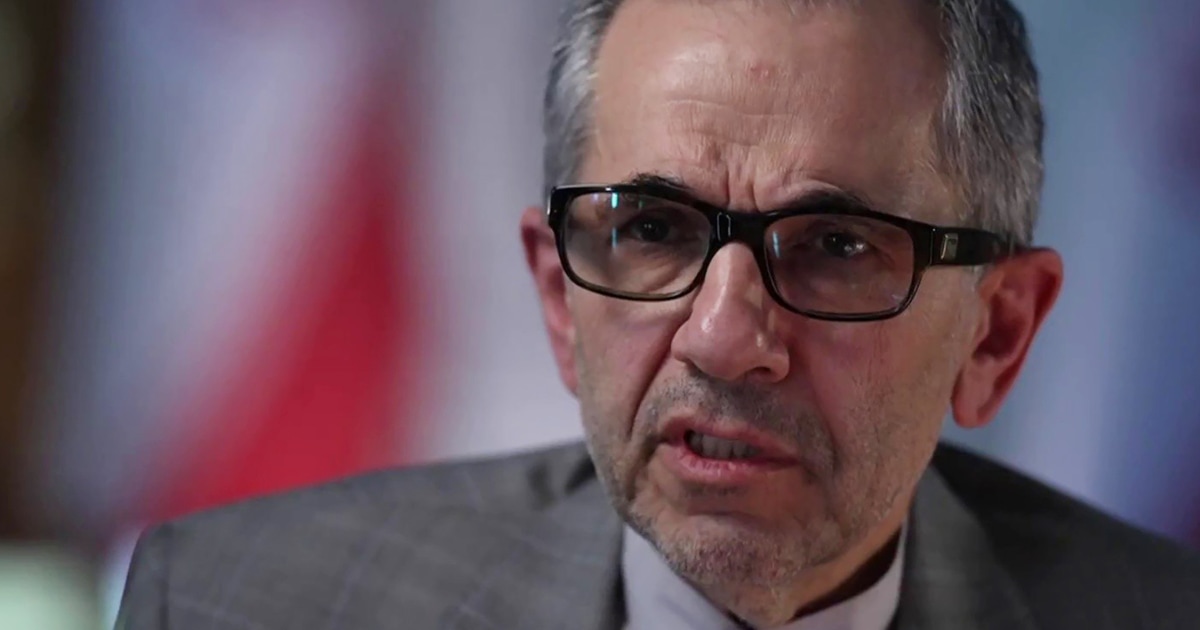
TEHRAN — Iran will not retaliate further for the United States' attacks against its nuclear program, a senior government official said Thursday, saying his country is open to negotiations with Washington but has no plans to stop uranium enrichment. Limited time: Save 25% on NBC News subscription Get exclusive reporting, live Q&As and ad-free reading. In an interview with NBC News in Tehran, Deputy Foreign Minister Majid Takht-Ravanchi said the U.S.
AI Summary
Main Idea: Iran’s deputy foreign minister said Iran will not launch more retaliation against the United States, but it will keep enriching uranium and remains open to talks if Washington can rebuild trust.
Key Points:
- Majid Takht-Ravanchi said the U.S. strike caused serious damage to Iran’s nuclear program, but Iran will not respond again unless attacked first.
- He said Iran is willing to return to diplomacy, but only if the United States explains its actions and gives guarantees during future talks.
- Iran says it has the right to enrich uranium under the nuclear treaty and will keep doing so, while rejecting claims that it wants a bomb.
- The official declined to say where Iran’s highly enriched uranium may be, even after reports that it may have been moved before the strikes.
Impact on the People
Negative Impact
Ongoing uranium enrichment keeps the risk of a wider conflict or nuclear crisis alive, which could raise fuel prices and unsettle markets for US households and businesses.
Positive Impact
Iran saying it will not retaliate now may lower the chance of more immediate attacks and reduce near-term disruption for travelers, workers, and consumers.
How did each entity affect people?
Rate how each entity in this article affected the American people.
No entity suggestions or linked entities saved yet.
Candidate Entities6 candidates · 5 weighted vote min · 70% decision
- Deputy Foreign Minister Majid Takht-RavanchipersonPrimaryAI selected
Central named official whose comments drive the story on retaliation, diplomacy, and uranium enrichment.
Include 0 (0%)Ignore 0 (0%)5 to threshold - International Atomic Energy Agencyinternational organizationMajorAI selected
Key watchdog organization raising concern about Iran’s highly enriched uranium and nuclear program.
Include 0 (0%)Ignore 0 (0%)5 to threshold - President Donald TrumppersonMajorAI selected
Central U.S. leader referenced for the strikes, negotiations, and reaction to Iran’s missile response.
Include 0 (0%)Ignore 0 (0%)5 to threshold - United StatescountryMajorAI selected
Key country actor carrying out the strikes and involved in the negotiations and potential talks.
Include 0 (0%)Ignore 0 (0%)5 to threshold - Rafael GrossipersonContextCandidate
Named IAEA chief quoted on the possible movement of uranium material.
Include 0 (0%)Ignore 0 (0%)5 to threshold - Nuclear Non-Proliferation Treaty of 1970international organizationMentionCandidate
Mentioned as treaty context for Iran’s legal position on enrichment, but not an acting entity.
Include 0 (0%)Ignore 0 (0%)5 to threshold
Comments 0
Comments here are the same thread shown when this article appears in The Pulse.
No comments on this article yet.
Sign in to comment