Barnard College settles lawsuit accusing school of not doing enough to fight antisemitism
Read Original Source
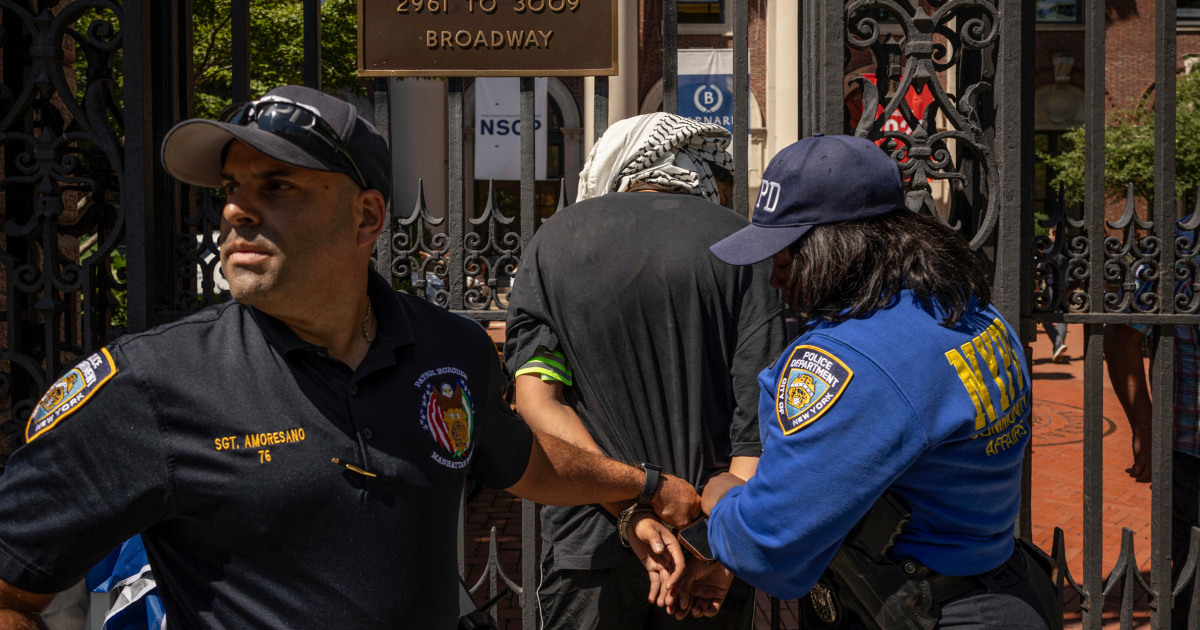
Barnard College has settled a lawsuit that accused the college of not doing enough to combat antisemitism on campus, agreeing to a litany of demands that include banning masks at protests and refusing to meet or negotiate with a coalition of pro-Palestinian student groups, according to a statement released Monday. Limited time: Save 25% on NBC News subscription Get exclusive reporting, live Q&As and ad-free reading.
AI Summary
Main Idea: Barnard College settled a lawsuit over antisemitism claims by agreeing to new protest limits, mask rules, and stronger enforcement against harassment on campus.
Key Points:
- Barnard will create a new Title VI coordinator to handle discrimination complaints and issue an annual antisemitism report.
- The school will tell students and staff there is zero tolerance for harassment of Jewish and Israeli students.
- Barnard also agreed not to meet or negotiate with the pro-Palestinian student coalition behind past encampments.
- The deal drew pushback from some students and faculty, who said it could limit pro-Palestinian protest and academic freedom.
Impact on the People
Negative Impact
The settlement may make campus protests more restricted and could blur the line between antisemitism rules and criticism of Israel, raising free-speech concerns for students and faculty.
Positive Impact
Barnard College’s new antisemitism rules and Title VI oversight may make some Jewish and Israeli students feel safer and could push other schools to strengthen protections.
How did each entity affect people?
Rate how each entity in this article affected the American people.
- Primary:Barnard Collegeeducational / research institution
Candidate Entities10 candidates · 5 weighted vote min · 70% decision
- Barnard Collegeeducational / research institutionPrimaryEvaluated
Central institution in the settlement and policy changes described in the article.
Include 0 (0%)Ignore 0 (0%)5 to threshold - Columbia Universityeducational / research institutionMajorAI selected
Major related institution tied to the lawsuit, protests, and ongoing litigation.
Include 0 (0%)Ignore 0 (0%)5 to threshold - Laura Ann RosenburypersonMajorAI selected
Barnard’s president who publicly framed and endorsed the settlement.
Include 0 (0%)Ignore 0 (0%)5 to threshold - StandWithUs Center for Legal Justicenonprofit / NGOMajorAI selected
Co-plaintiff advocacy group central to the lawsuit and settlement.
Include 0 (0%)Ignore 0 (0%)5 to threshold - Students Against Antisemitismnonprofit / NGOMajorAI selected
One of the Jewish advocacy groups that brought the lawsuit and helped secure the settlement.
Include 0 (0%)Ignore 0 (0%)5 to threshold - Columbia University Apartheid Divestpolitical organizationContextCandidate
Named pro-Palestinian coalition affected by the settlement’s refusal-to-negotiate terms.
Include 0 (0%)Ignore 0 (0%)5 to threshold - Marc KasowitzpersonContextCandidate
Attorney for the plaintiffs who publicly praised the agreement.
Include 0 (0%)Ignore 0 (0%)5 to threshold
Comments 0
Comments here are the same thread shown when this article appears in The Pulse.
No comments on this article yet.
Sign in to comment