IRS says churches can endorse political candidates without losing tax exemptions
Read Original Source
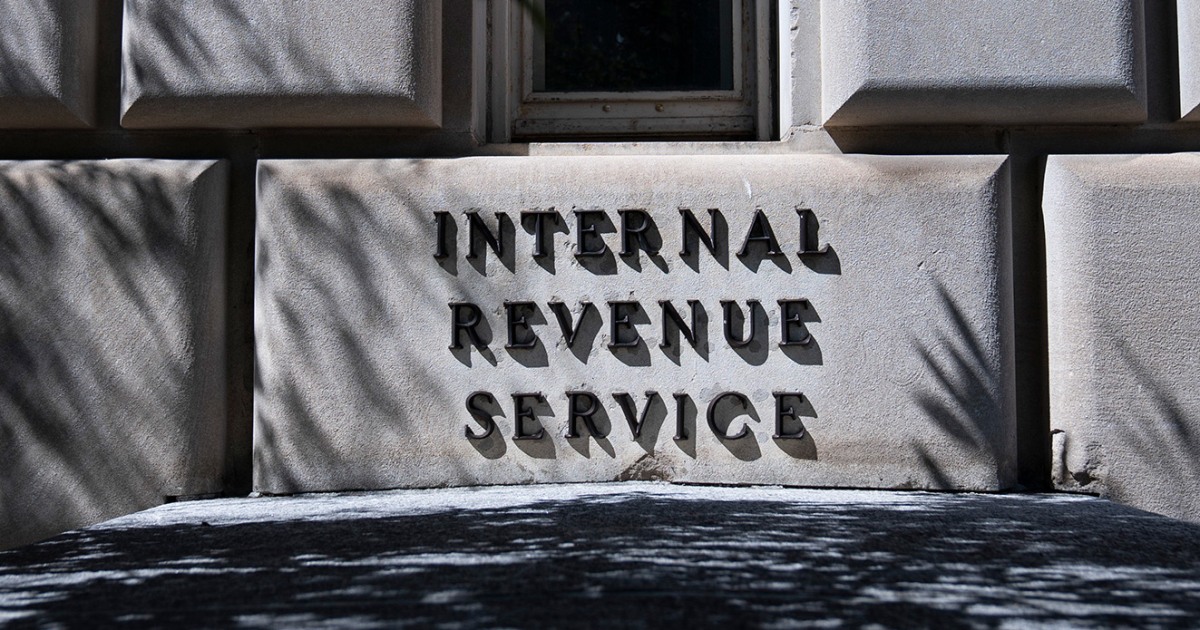
The Internal Revenue Service agreed in a court filing that churches can endorse political candidates without fear of losing their tax-exempt status. Limited time: Save 25% on NBC News subscription Get exclusive reporting, live Q&As and ad-free reading. The IRS made the statement in a court case challenging the Johnson Amendment, a 1954 U.S. tax code provision that prohibits all 501(c)(3) nonprofit organizations — including churches — from formally endorsing or opposing political candidates.
AI Summary
Main Idea: The IRS says churches can endorse political candidates without losing their tax-exempt status, in a move tied to a court case over the Johnson Amendment.
Key Points:
- The IRS agreed in a court filing that churches can make candidate endorsements without fear of losing tax-exempt status.
- The case comes from a lawsuit filed by religious groups that challenged the Johnson Amendment, which limits political activity by 501(c)(3) groups.
- The agreement says messages from a church to its congregation during religious services and through normal church channels do not count as banned campaign activity.
- The deal still needs a judge’s approval, and it would affect only the churches in the lawsuit while leaving the broader rule in place for other nonprofits.
Impact on the People
Negative Impact
Churches may become more openly political, which could pressure voters and donors and blur the line between religion and campaign activity.
Positive Impact
Religious groups can speak more freely about candidates, which may let congregations hear clearer views on issues tied to faith.
How did each entity affect people?
Rate how each entity in this article affected the American people.
No entity suggestions or linked entities saved yet.
Candidate Entities5 candidates · 5 weighted vote min · 70% decision
- Internal Revenue Servicegovernment agency or bodyPrimaryAI selected
Central agency that agreed in the court filing and is the key actor in the tax-exemption decision.
Include 0 (0%)Ignore 0 (0%)5 to threshold - National Religious Broadcastersnonprofit / NGOPrimaryAI selected
One of the main plaintiffs in the lawsuit and a central organization in the court filing.
Include 0 (0%)Ignore 0 (0%)5 to threshold - President Donald TrumppersonMajorAI selectedInclude 0 (0%)Ignore 0 (0%)5 to threshold
- United States Congressgovernment agency or bodyContextCandidate
Mentioned because changing the amendment outright would require congressional action, but it is not the main actor here.
Include 0 (0%)Ignore 0 (0%)5 to threshold - John S. JohnsonpersonMinorCandidate
The Johnson Amendment is named after him, but he is only a historical reference in the article.
Include 0 (0%)Ignore 0 (0%)5 to threshold
Comments 0
Comments here are the same thread shown when this article appears in The Pulse.
No comments on this article yet.
Sign in to comment