ICC issues arrest warrants for Taliban leaders over persecution of women and girls
Read Original Source
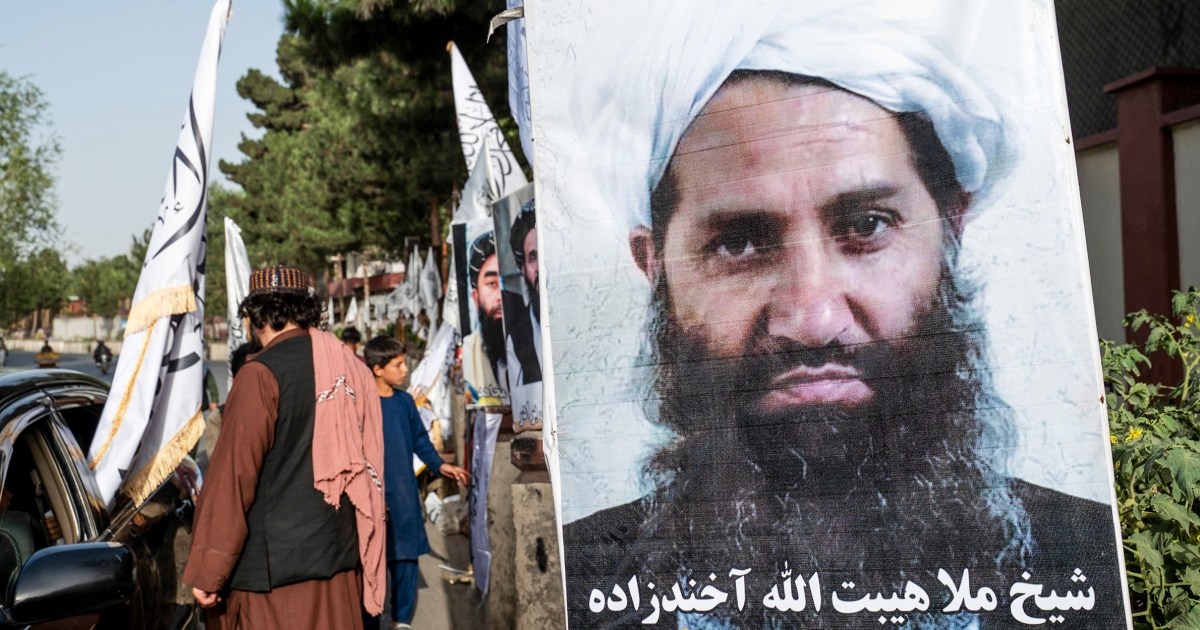
THE HAGUE, Netherlands — The International Criminal Court issued arrest warrants Tuesday for the Taliban's supreme leader and the head of Afghanistan's Supreme Court on charges of persecuting women and girls since seizing power nearly four years ago. Limited time: Save 25% on NBC News subscription Get exclusive reporting, live Q&As and ad-free reading.
AI Summary
Main Idea: The International Criminal Court issued arrest warrants for two top Taliban leaders over the persecution of women and girls in Afghanistan.
Key Points:
- The ICC named Taliban leader Hibatullah Akhunzada and Supreme Court head Abdul Hakim Haqqani in the warrants.
- Judges said the Taliban have denied women and girls key rights, including education, movement, privacy, and family life.
- The court also said the Taliban targeted people seen as not matching its gender rules, including LGBTQI+ people and alleged allies of women and girls.
- The Taliban rejected the court’s authority, while rights groups welcomed the move and urged countries to help enforce the warrants.
Impact on the People
Negative Impact
The ICC warrants may add strain to US diplomacy with Afghanistan and widen tension over human rights, though direct effects on households are likely limited.
Positive Impact
The move could support global pressure to protect Afghan women and girls, which may matter to US voters and aid groups backing rights and stability.
How did each entity affect people?
Rate how each entity in this article affected the American people.
- Primary:Abdul Hakim Haqqaniperson
- Primary:Hibatullah Akhunzadaperson
- Primary:International Criminal Courtgovernment agency or body
Candidate Entities12 candidates · 5 weighted vote min · 70% decision
- Abdul Hakim HaqqanipersonPrimaryEvaluated
Head of the Taliban Supreme Court and co-subject of the arrest warrants.
Include 0 (0%)Ignore 0 (0%)5 to threshold - Hibatullah AkhunzadapersonPrimaryEvaluated
Taliban supreme leader named in the warrants and a primary subject of the article.
Include 0 (0%)Ignore 0 (0%)5 to threshold - International Criminal Courtgovernment agency or bodyPrimaryEvaluated
Central institution that issued the arrest warrants and whose action drives the story.
Include 0 (0%)Ignore 0 (0%)5 to threshold - AfghanistancountryMajorAI selected
Country whose Taliban government and women and girls are the focus of the ICC case.
Include 0 (0%)Ignore 0 (0%)5 to threshold - Talibanpolitical organizationMajorAI selected
Governing movement at the center of the alleged persecution and the response to the ICC action.
Include 0 (0%)Ignore 0 (0%)5 to threshold - United Nationsinternational organizationMajorAI selected
Major international body whose resolution is part of the article’s central context.
Include 0 (0%)Ignore 0 (0%)5 to threshold - Human Rights Watchnonprofit / NGOContextCandidate
Advocacy group that publicly welcomed the ICC decision and urged enforcement.
Include 0 (0%)Ignore 0 (0%)5 to threshold
Comments 0
Comments here are the same thread shown when this article appears in The Pulse.
No comments on this article yet.
Sign in to comment