Chip giants Nvidia and AMD to pay 15% of China revenue to US
Read Original Source
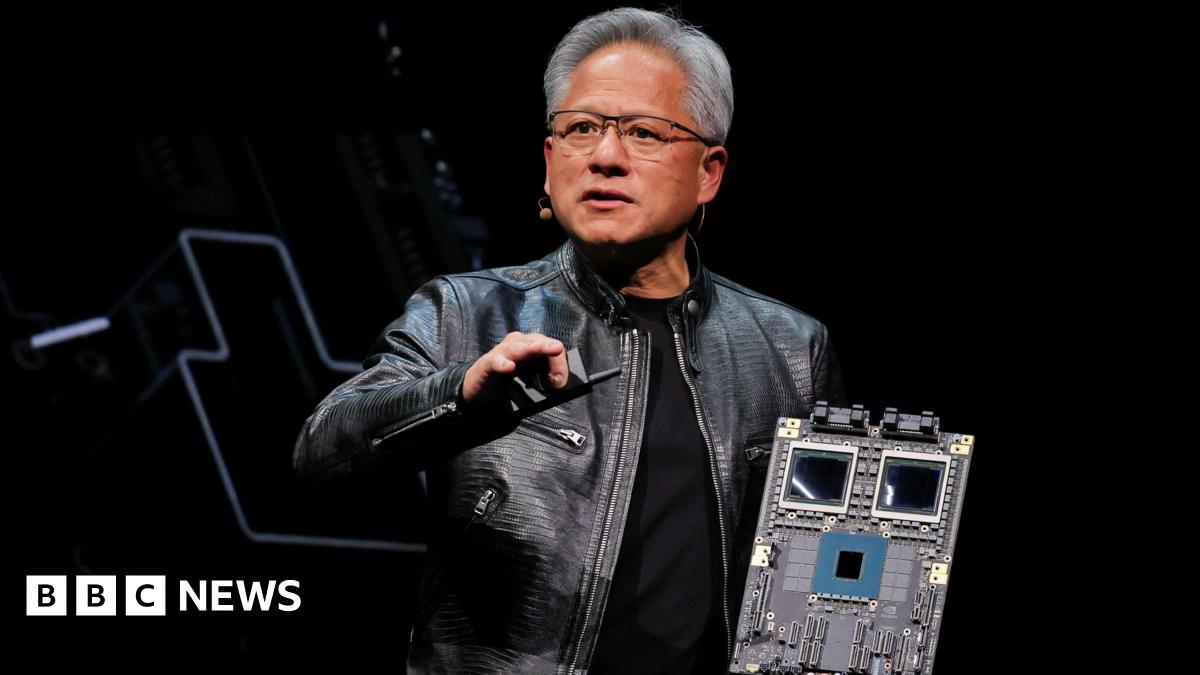
Nvidia boss Jenson Huang reportedly met President Trump last week Chip giants Nvidia and AMD have agreed to pay the US government 15% of Chinese revenues as part of an "unprecedented" deal to secure export licences to China, the BBC has been told. The US had previously banned the sale of powerful chips used in areas like artificial intelligence (AI) to China under export controls usually related to national security concerns.
AI Summary
Main Idea: Advanced Micro Devices agreed to give the US government 15% of revenue from certain chip sales in China to win export licences, in a deal that has raised security and policy concerns.
Key Points:
- Nvidia also agreed to the same 15% revenue share on sales of its H20 chip in China.
- The chips were restricted because US officials said they could help China’s AI and military abilities.
- Critics said the deal is a troubling precedent and compared it to a tax on exports.
- Jensen Huang had been lobbying for a restart of chip sales in China, while Donald Trump dismissed the security worries.
Impact on the People
Negative Impact
US consumers and workers could face higher chip costs and more trade tension if export rules become a pay-to-sell system.
Positive Impact
Nvidia and AMD may regain some China sales, which could support US jobs and investment in chip firms.
How did each entity affect people?
Rate how each entity in this article affected the American people.
- Primary:Advanced Micro Devicescompany
- Primary:President Donald Trumpperson
- Major:Chinacountry
Candidate Entities12 candidates · 5 weighted vote min · 70% decision
- Advanced Micro DevicescompanyPrimaryEvaluated
Central company in the reported export-licensing deal and revenue-sharing agreement with the US government.
Include 0 (0%)Ignore 0 (0%)5 to threshold - President Donald TrumppersonPrimaryEvaluated
Central political decision-maker in the deal and the article’s reporting on export controls and security concerns.
Include 0 (0%)Ignore 0 (0%)5 to threshold - ChinacountryMajorEvaluated
Core market and national counterpart in the chip export restrictions and revenue-sharing arrangement.
Include 0 (0%)Ignore 0 (0%)5 to threshold - Jensen HuangpersonMajorAI selected
Nvidia’s chief executive is directly tied to the lobbying and reported meeting with President Donald Trump.
Include 0 (0%)Ignore 0 (0%)5 to threshold - United StatescountryMajorAI selected
The government receiving the 15% revenue share and the country imposing export controls in the dispute.
Include 0 (0%)Ignore 0 (0%)5 to threshold - Deborah ElmspersonContextCandidate
Quoted trade-policy expert reacting to the deal and its security implications.
Include 0 (0%)Ignore 0 (0%)5 to threshold - IntelcompanyContextCandidate
Mentioned as a related rival chip company in the broader context of the administration’s pressure on tech firms.
Include 0 (0%)Ignore 0 (0%)5 to threshold - Lip-Bu TanpersonContextCandidate
Intel’s chief executive, mentioned in connection with a separate Trump meeting and China-related criticism.
Include 0 (0%)Ignore 0 (0%)5 to threshold
Comments 0
Comments here are the same thread shown when this article appears in The Pulse.
No comments on this article yet.
Sign in to comment