Trump extends China tariff deadline by another 90 days
Read Original Source
The Trump administration has agreed to once again delay the deadline when tariffs on Chinese imports would rise as discussions between the two sides continue. Limited time: Save 25% on NBC News subscription Get exclusive reporting, live Q&As and ad-free reading. The new deadline would be Nov. 10. “All other elements of the Agreement will remain the same,” Trump said on Truth Social.
AI Summary
Main Idea: President Donald Trump extended the deadline for higher tariffs on China by 90 days, keeping talks open while trade tensions remain high.
Key Points:
- The new deadline is Nov. 10, and the White House said talks with China will continue for now.
- The delay keeps current tariff levels in place and avoids an immediate jump in costs for companies and consumers.
- The U.S. and China have already backed off from even higher tariffs once before, but a full trade deal still has not been reached.
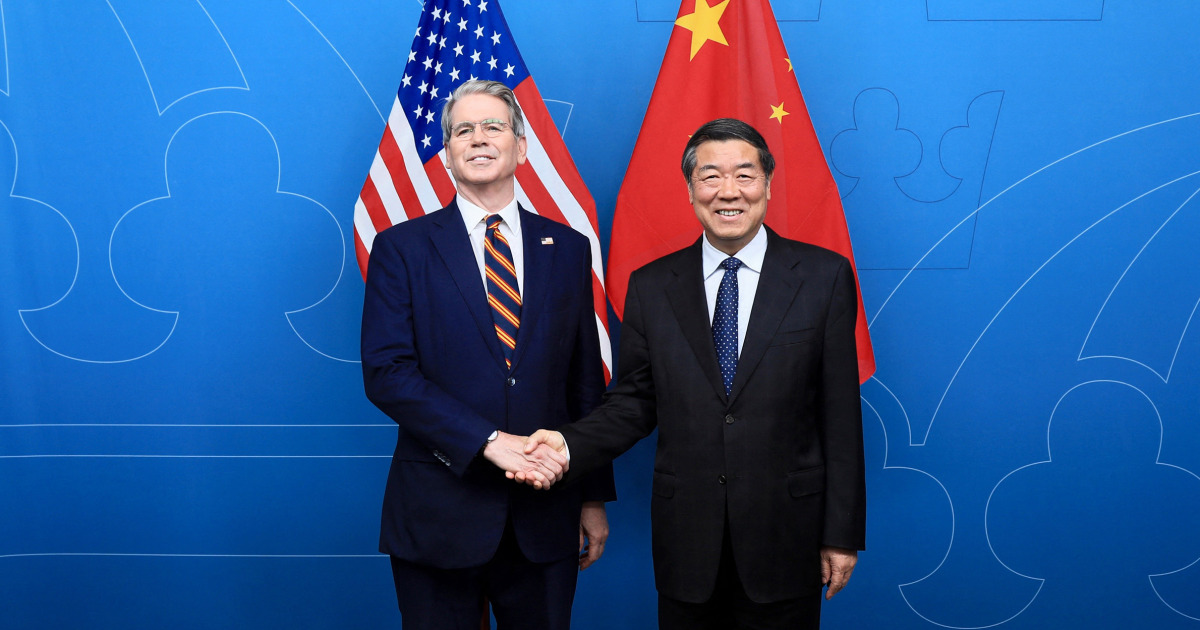
- Treasury Secretary Scott Bessent and other U.S. officials have kept meeting with Chinese counterparts, with both sides showing some progress but no final agreement.
Impact on the People
Negative Impact
The tariff delay keeps prices and supply costs uncertain for households and small businesses, and Trump’s trade fight with China can still raise costs on goods like clothing, toys, and electronics.
Positive Impact
The pause gives US companies and consumers more time before higher tariffs could hit, which may help avoid a sudden price jump while talks continue.
How did each entity affect people?
Rate how each entity in this article affected the American people.
- Primary:President Donald Trumpperson
- Major:
Candidate Entities10 candidates · 5 weighted vote min · 70% decision
- President Donald TrumppersonPrimaryEvaluated
Central actor who announced the tariff deadline extension and is driving the trade policy in the story.
Include 0 (0%)Ignore 0 (0%)5 to threshold - Treasury Secretary Scott BessentpersonMajorEvaluated
Key U.S. negotiating official who met with Chinese counterparts and is directly involved in the trade talks.
Include 0 (0%)Ignore 0 (0%)5 to threshold - Chinese Vice Premier He LifengpersonMajorAI selected
Senior Chinese negotiating official directly involved in the tariff discussions.
Include 0 (0%)Ignore 0 (0%)5 to threshold - United States Trade Representative Jamieson GreerpersonMajorAI selected
Key U.S. negotiating official involved in the Geneva and London talks with China.
Include 0 (0%)Ignore 0 (0%)5 to threshold - NvidiacompanyContextCandidate
Named company affected by the trade negotiations and U.S. export permissions to China.
Include 0 (0%)Ignore 0 (0%)5 to threshold - Asia-Pacific Economic Cooperationinternational organizationMinorCandidate
Mentioned as the likely venue for a potential Trump-Xi summit context.
Include 0 (0%)Ignore 0 (0%)5 to threshold - International Crisis Groupeducational / research institutionMinorCandidate
Cited for analyst commentary on China’s negotiating position.
Include 0 (0%)Ignore 0 (0%)5 to threshold
Comments 0
Comments here are the same thread shown when this article appears in The Pulse.
No comments on this article yet.
Sign in to comment