Carjacked in the capital: The 'crime of the pandemic' is still roiling D.C.
Read Original Source
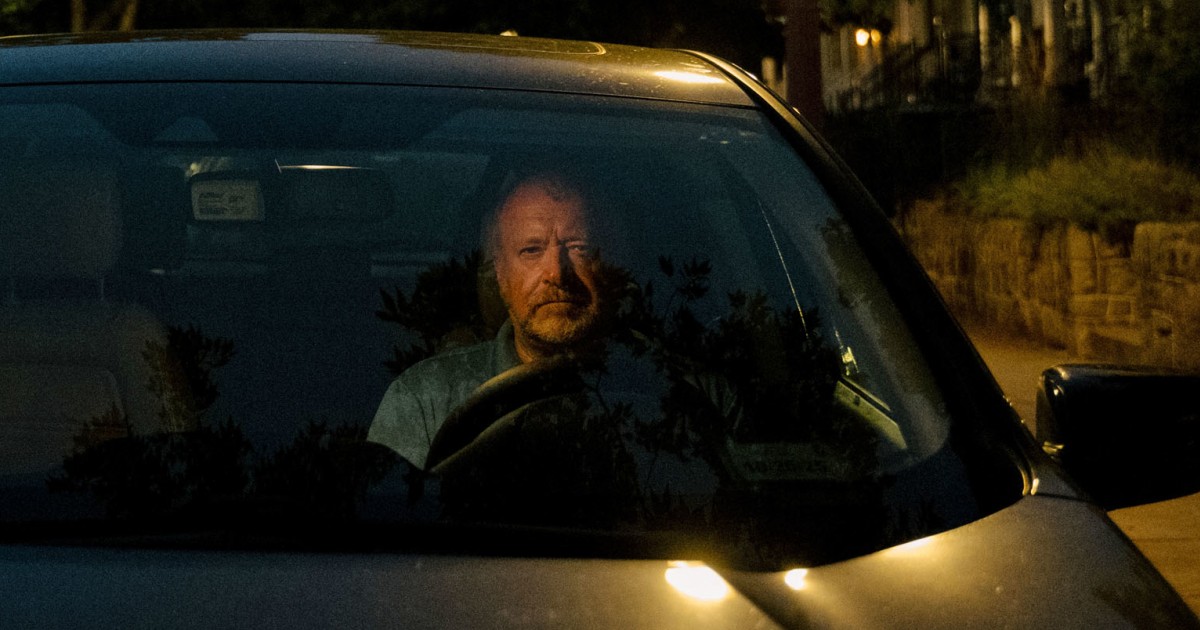
It was just after 8 p.m. when Michael Waller pulled up to his home on a well-to-do block near Capitol Hill in Washington, D.C. Waller, then 59, glanced at his phone to check his email. Within seconds, two men appeared on either side of his gray Mercedes waving Glock handguns. Limited time: Save 25% on NBC News subscription Get exclusive reporting, live Q&As and ad-free reading. The man on the passenger side opened the door and slammed his gun into Waller’s right ear and scalp, knocking him out for a moment.
AI Summary
Main Idea: Carjackings surged in Washington, D.C., during the pandemic, and President Donald Trump has used the city’s recent crime fears to justify a federal crackdown.
Key Points:
- D.C. saw carjackings rise sharply after 2019, peaking in 2023, even as many other crime rates fell back.
- Police and experts said many of the offenders were juveniles, and weak consequences made repeat crimes more likely.
- Former police chief Peter Newsham said staffing problems, low morale, and changes in juvenile penalties made the problem worse.
- The article says carjackings have fallen in D.C. and nearby Prince George’s County, but residents still see them as a serious threat.
Impact on the People
Negative Impact
Carjackings can leave drivers injured, scared, and paying higher costs for locks, insurance, and lost time. Trump’s crackdown shows public pressure for safety,.
Positive Impact
No clear positive impact identified.
How did each entity affect people?
Rate how each entity in this article affected the American people.
- Primary:President Donald Trumpperson
Candidate Entities8 candidates · 5 weighted vote min · 70% decision
- President Donald TrumppersonPrimaryEvaluated
Central political actor who ordered the federal intervention and took over the Metropolitan Police Department.
Include 0 (0%)Ignore 0 (0%)5 to threshold - District of ColumbiacityPrimaryAI selected
The city whose carjacking surge, policing, and public safety debate are the main subject of the story.
Include 0 (0%)Ignore 0 (0%)5 to threshold - Chuck WexlerpersonMajorAI selected
Police-policy executive quoted as a key expert explaining why carjackings persist.
Include 0 (0%)Ignore 0 (0%)5 to threshold - Lt. Scott DowlingpersonMajorAI selected
Task force leader quoted about repeated offending driving the carjacking spike.
Include 0 (0%)Ignore 0 (0%)5 to threshold - Peter NewshampersonMajorAI selected
Former Metropolitan Police Department chief whose account of the pandemic-era crime surge is a major thread.
Include 0 (0%)Ignore 0 (0%)5 to threshold - Sgt. Josh ScallpersonMajorAI selected
Carjacking-unit supervisor quoted on arrest efforts and the continuing impact on victims.
Include 0 (0%)Ignore 0 (0%)5 to threshold - Center for Security Policynonprofit / NGOMinorCandidate
Organization where Michael Waller works; included because it identifies a named public institution tied to the opening incident.
Include 0 (0%)Ignore 0 (0%)5 to threshold
Comments 0
Comments here are the same thread shown when this article appears in The Pulse.
No comments on this article yet.
Sign in to comment