Ukraine war: Volodymyr Zelensky rejects proposals for buffer zone to end fighting
Read Original Source
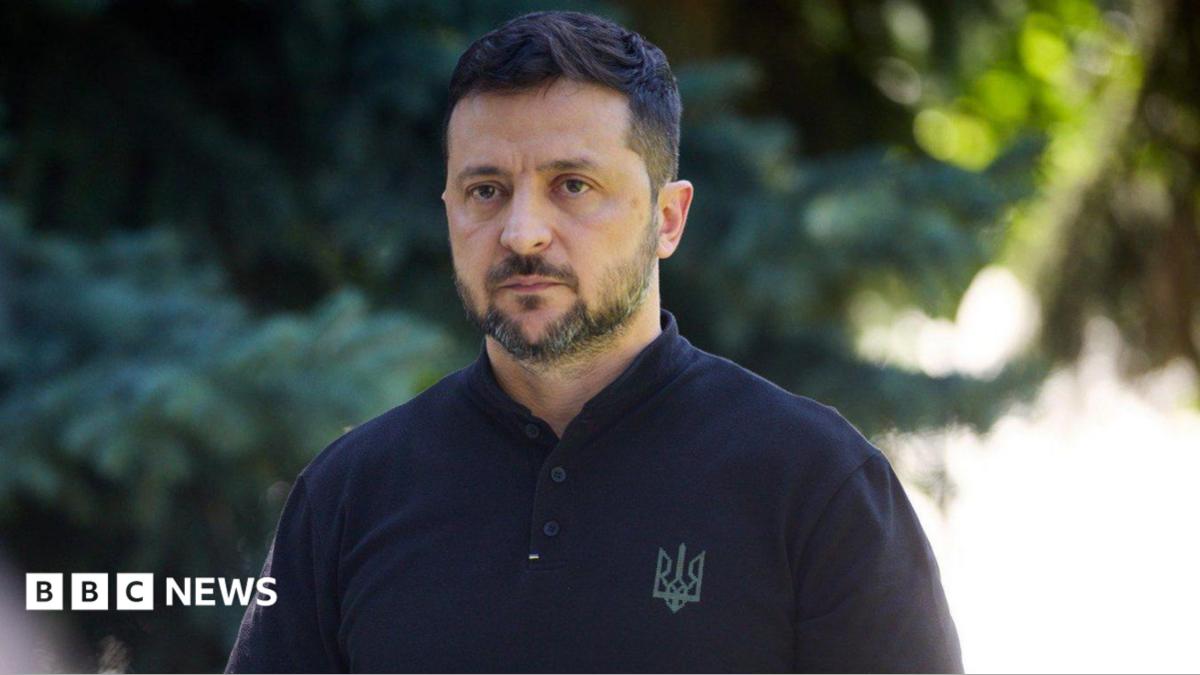
Ukrainian President Volodymyr Zelensky has rejected proposals for a buffer zone between Ukrainian and Russian forces as part of a peace deal, arguing it does not reflect the realities of modern warfare. "Only those who do not understand the technological state of today's war propose a buffer zone," he told reporters on Friday. His comments followed a report suggesting European leaders were considering a 40km (25-mile) buffer zone as part of either a ceasefire or longer-term agreement.
AI Summary
Main Idea: Volodymyr Zelensky rejected a proposed buffer zone with Russia, saying it does not fit modern drone warfare and that Russia is not serious about peace.
Key Points:
- Zelensky said a buffer zone already exists in practice because drones keep heavy weapons far from the front line.
- He said Ukraine should not give up land as part of any such deal, and told Russia to pull back instead.
- The idea came as European leaders discussed possible security steps, while Emmanuel Macron and other allies pressed for more pressure on Russia.
- Talks on a possible peace process have slowed, after fresh Russian strikes on Kyiv raised anger and doubts about Moscow’s willingness to negotiate.
Impact on the People
Negative Impact
The stalled peace talks and continued drone and missile attacks could keep energy, food, and market costs higher for US households and firms.
Positive Impact
A real ceasefire deal could lower pressure on global markets and reduce the chance of more US spending on aid and defense.
How did each entity affect people?
Rate how each entity in this article affected the American people.
- Primary:
Candidate Entities12 candidates · 5 weighted vote min · 70% decision
- President Volodymyr ZelenskypersonPrimaryEvaluated
Central figure in the article, rejecting buffer-zone proposals and stating Ukraine’s position on peace terms.
Include 0 (0%)Ignore 0 (0%)5 to threshold - Andriy YermakpersonMajorAI selected
Zelensky’s chief of staff, directly involved in peace-move discussions with US officials.
Include 0 (0%)Ignore 0 (0%)5 to threshold - Chancellor Friedrich MerzpersonMajorAI selected
Major European leader quoted on the prospects for a Zelensky-Putin meeting and pressure on Russia.
Include 0 (0%)Ignore 0 (0%)5 to threshold - European Unioninternational organizationMajorAI selected
Central institutional actor in the discussion of security guarantees and its offices being struck in Kyiv.
Include 0 (0%)Ignore 0 (0%)5 to threshold - Kaja KallaspersonMajorAI selected
EU foreign policy chief quoted on Russia’s attacks and security guarantees for Ukraine.
Include 0 (0%)Ignore 0 (0%)5 to threshold - Marco RubiopersonMajorAI selected
US Secretary of State participating in the peace discussions described in the article.
Include 0 (0%)Ignore 0 (0%)5 to threshold - President Donald TrumppersonMajorAI selected
Named as a central participant in the US-led diplomatic push and meeting with Zelensky.
Include 0 (0%)Ignore 0 (0%)5 to threshold
Comments 0
Comments here are the same thread shown when this article appears in The Pulse.
No comments on this article yet.
Sign in to comment