Scientists could soon lose a key tool for studying Antarctica's melting ice sheets as climate risks grow
Read Original Source
This summer, the U.S. and much of the world have been pummeled by floods, fires and heat waves. Knowing what climate risks come next depends, to a large extent, on what happens in the most desolate place on Earth: Antarctica. Limited time: Save 25% on NBC News subscription Get exclusive reporting, live Q&As and ad-free reading. But there’s a new obstacle to understanding the changing continent and how it’s affecting weather patterns throughout the world.
AI Summary
Main Idea: The National Science Foundation is moving to retire the U.S. Antarctic research icebreaker Nathaniel B. Palmer, a step scientists say could weaken climate research on melting ice sheets and sea-level rise.
Key Points:
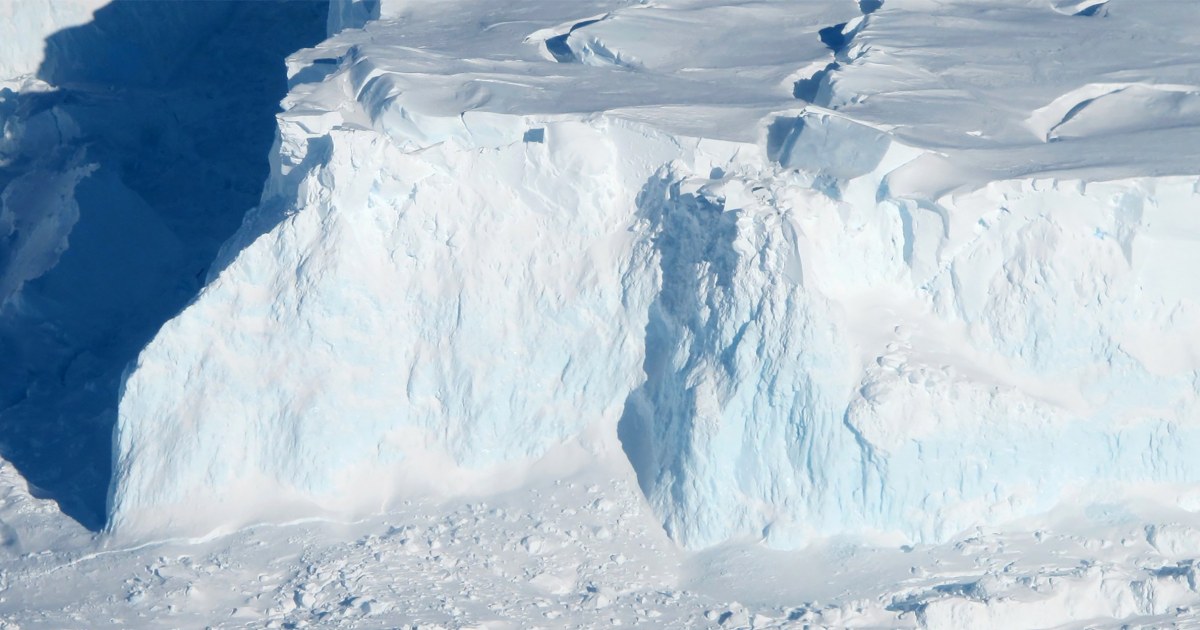
- The Palmer is the only U.S. research ship that can do all the work needed to study key parts of Antarctica, including areas near the Thwaites Glacier.
- Scientists say losing the ship would create a long data gap and make it harder to understand how Antarctic ice affects future flooding in U.S. cities.
- The NSF says it wants to focus on its three year-round Antarctic stations and is looking for other ways to support research and resupply.
- Researchers warn the move comes as other countries are expanding polar science, while the U.S. is pulling back from a region central to climate study and treaty-based cooperation.
Impact on the People
Negative Impact
Ending NSF support for the Palmer could weaken US Antarctic research and reduce warning time on sea-level rise risks that affect coastal families, taxpayers, and businesses.
Positive Impact
No clear positive impact identified.
How did each entity affect people?
Rate how each entity in this article affected the American people.
- Primary:National Science Foundationgovernment agency or body
- Major:United Statescountry
Candidate Entities9 candidates · 5 weighted vote min · 70% decision
- National Science Foundationgovernment agency or bodyPrimaryEvaluated
Central agency deciding to decommission the research icebreaker and affecting U.S. Antarctic science capacity.
Include 0 (0%)Ignore 0 (0%)5 to threshold - United StatescountryMajorEvaluated
The article centers on U.S. Antarctic research leadership and the consequences for U.S. scientists.
Include 0 (0%)Ignore 0 (0%)5 to threshold - Edison Chouest OffshorecompanyMajorAI selected
Owner of the vessel that the NSF plans to return, making it a direct commercial stakeholder.
Include 0 (0%)Ignore 0 (0%)5 to threshold - ChinacountryContextCandidate
Mentioned as a country ramping up polar science and exploration, creating geopolitical context.
Include 0 (0%)Ignore 0 (0%)5 to threshold - Intergovernmental Panel on Climate Changeinternational organizationContextCandidate
Cited as the source of sea-level-rise projections that contextualize the article’s stakes.
Include 0 (0%)Ignore 0 (0%)5 to threshold - RussiacountryContextCandidate
Mentioned as another country increasing polar science and exploration, adding comparative context.
Include 0 (0%)Ignore 0 (0%)5 to threshold - University of Delawareeducational / research institutionContextCandidate
Home institution of a quoted oceanographer discussing Antarctic budgets and research impacts.
Include 0 (0%)Ignore 0 (0%)5 to threshold
Comments 0
Comments here are the same thread shown when this article appears in The Pulse.
No comments on this article yet.
Sign in to comment