U.S. rejects international AI oversight at U.N. General Assembly
Read Original Source
NEW YORK — The United States clashed with world leaders over artificial intelligence at the United Nations General Assembly this week, rejecting calls for global oversight as many pushed for new collaborative frameworks. Limited time: Save 25% on NBC News subscription Get exclusive reporting, live Q&As and ad-free reading. While many heads of state, corporate leaders and prominent figures endorsed a need for urgent international collaboration on AI, the U.S. delegation criticized the role of the U.N.
AI Summary
Main Idea: Michael Kratsios said the U.S. rejects global control of AI at the U.N., even as other leaders pushed for stronger international cooperation.
Key Points:
- At a U.N. Security Council meeting, Kratsios said the U.S. opposes any centralized global governance of AI.
- He argued that AI should be guided by national sovereignty and not “bureaucratic management.”
- The U.N. launched a new Global Dialogue on AI Governance, which it says will help countries work together without taking away national control.
- China backed a central U.N. role in AI oversight, while Spain also called for shared global rules and cooperation.
Impact on the People
Negative Impact
US rejection of U. N.
Positive Impact
No clear positive impact identified.
How did each entity affect people?
Rate how each entity in this article affected the American people.
- Primary:Michael Kratsiosperson
Candidate Entities9 candidates · 5 weighted vote min · 70% decision
- Michael KratsiospersonPrimaryEvaluated
Led the U.S. position at the Security Council meeting and made the article’s key statement rejecting centralized AI.
Include 0 (0%)Ignore 0 (0%)5 to threshold - United Nationsinternational organizationPrimaryAI selected
Central forum in the article, launching new AI governance mechanisms and receiving U.S. pushback.
Include 0 (0%)Ignore 0 (0%)5 to threshold - António GuterrespersonMajorAI selected
U.N. Secretary-General whose remarks and actions on AI governance are a major focus.
Include 0 (0%)Ignore 0 (0%)5 to threshold - Ma ZhaoxupersonMajorAI selected
China’s Vice Minister of Foreign Affairs who publicly responds and advocates U.N. centrality in AI governance.
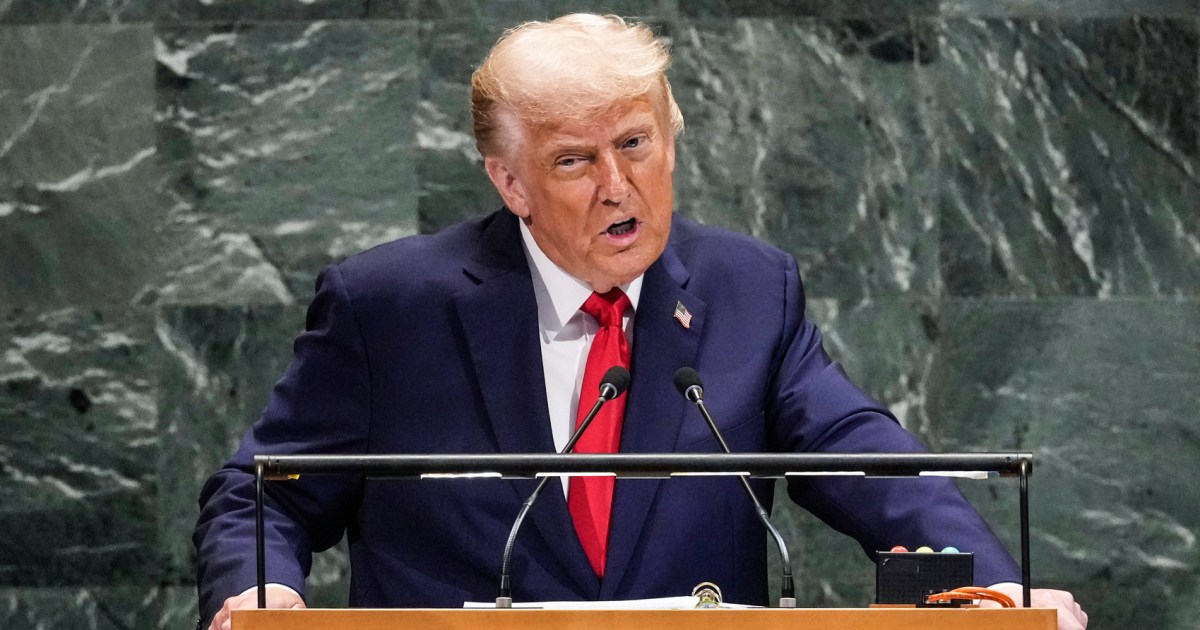
Include 0 (0%)Ignore 0 (0%)5 to threshold - President Donald TrumppersonMajorAI selected
His General Assembly remarks on an AI verification system are a major part of the story.
Include 0 (0%)Ignore 0 (0%)5 to threshold - Prime Minister Pedro SánchezpersonMajorAI selected
Makes a prominent statement backing global AI coordination and the U.N.’s role.
Include 0 (0%)Ignore 0 (0%)5 to threshold - Amandeep Singh GillpersonContextCandidate
U.N. digital and emerging technologies envoy quoted explaining the U.N. approach to AI governance.
Include 0 (0%)Ignore 0 (0%)5 to threshold
Comments 0
Comments here are the same thread shown when this article appears in The Pulse.
No comments on this article yet.
Sign in to comment