Coming to an election near you: prediction markets
Read Original Source
Arrests for betting on the U.S. military operation that removed Venezuelan leader Nicolás Maduro. Death threats from gamblers to a journalist reporting on an Iranian missile attack on Israel. Fears of government officials manipulating world events – including the Iran war – to make a quick buck. These are some of many concerns that experts have raised about how prediction markets – online marketplaces that allow people to bet on world events – might be affecting national security in the U.S. and abroad.
AI Summary
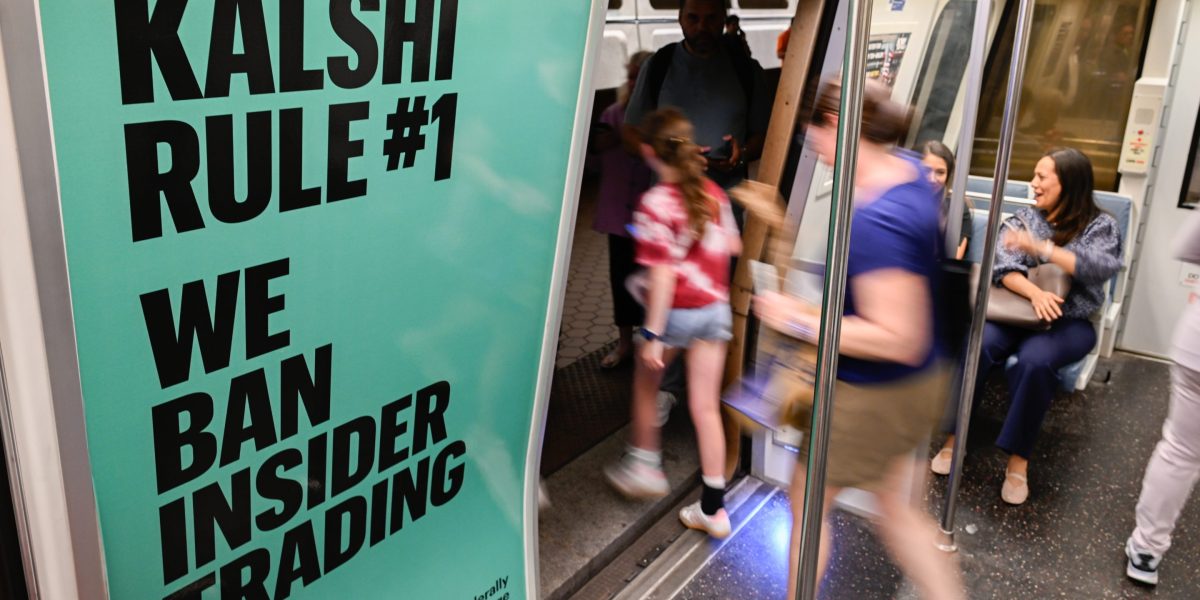
Main Idea: Prediction markets like Kalshi are drawing more attention as they spread into politics, with growing concern about insider trading, election influence, and new government rules.
Key Points:
- Kalshi and similar platforms let people bet on political and world events by buying shares in possible outcomes.
- The article says prediction markets could affect the 2026 midterms if campaign staff or candidates use nonpublic information to profit.
- A new survey found strong public support for banning government officials from trading on prediction markets, and the Senate has already moved to bar senators and staff.
- States are also pushing back, with some suing or banning prediction markets and arguing they should not be used as loopholes for sports or “death” betting.
Impact on the People
Negative Impact
Prediction markets can let insiders and politicians profit from private information, which may distort election news and mislead voters.
Positive Impact
Public demand and new rules, including the Senate ban, could reduce abuse and make political betting more transparent.
How did each entity affect people?
Rate how each entity in this article affected the American people.
Candidate Entities10 candidates · 5 weighted vote min · 70% decision
- KalshicompanyPrimaryEvaluated
Central prediction market platform discussed throughout, including election betting, media partnerships, and regulatory disputes.
Include 0 (0%)Ignore 0 (0%)5 to threshold - Senategovernment agency or bodyMajorEvaluated
Legislative body that recently banned senators and staff from trading on prediction markets.
Include 0 (0%)Ignore 0 (0%)5 to threshold - Supreme Courtgovernment agency or bodyMajorAI selectedInclude 0 (0%)Ignore 0 (0%)5 to threshold
- PredictItcompanyContextCandidate
Long-running political prediction market used as a comparison point for the article’s broader argument.
Include 0 (0%)Ignore 0 (0%)5 to threshold - United StatescountryContextCandidate
National political and security context for the article’s discussion of prediction markets and elections.
Include 0 (0%)Ignore 0 (0%)5 to threshold - National Public Radiomedia outletMinorCandidate
Cited as the outlet that documented campaign staffers using insider information on prediction markets.
Include 0 (0%)Ignore 0 (0%)5 to threshold - North DakotastateMinorCandidate
Mentioned as part of examples of election markets on Kalshi, but not a central actor.
Include 0 (0%)Ignore 0 (0%)5 to threshold - Representative Ruben GallegopersonMinorCandidate
Named as one of the lawmakers tied to betting on his own campaign, but not a central focus.
Include 0 (0%)Ignore 0 (0%)5 to threshold
Comments 0
Comments here are the same thread shown when this article appears in The Pulse.
No comments on this article yet.
Sign in to comment