U.S. sanctions Cuban president as Trump administration puts pressure on its leaders
Read Original Source
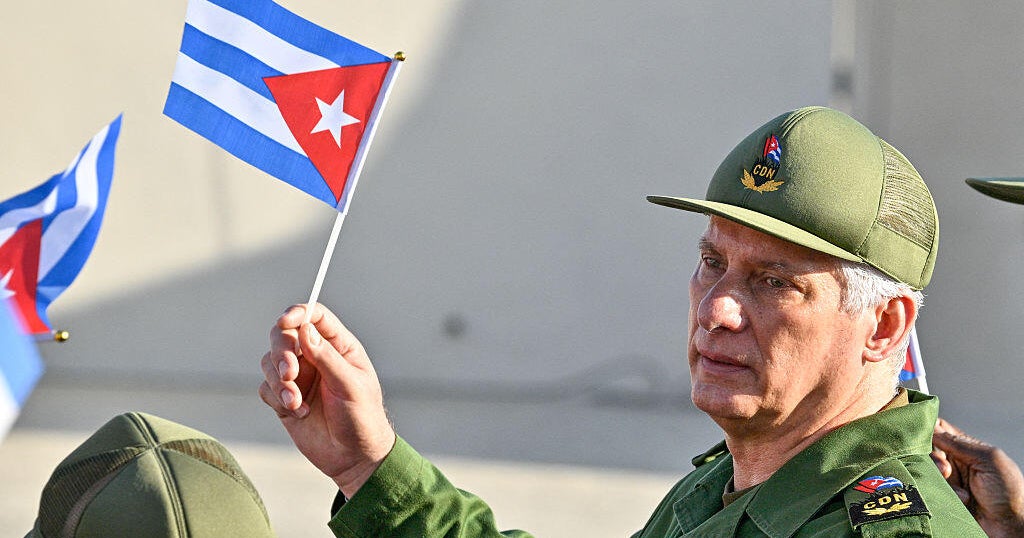
The United States has imposed sanctions on Cuban President Miguel Díaz-Canel, along with his wife and three other individuals, according to a filing Thursday from the U.S. Treasury Department. It's the latest Trump administration move to pressure the island's leadership. Included in the sanctions are Alejandro Castro Espín, the sole son of former President Raúl Castro and Vilma Espín.
AI Summary
Main Idea: The Trump administration imposed new sanctions on Cuban President Miguel Díaz-Canel and close family members as it steps up pressure on Cuba’s leadership.
Key Points:
- The Treasury Department said the sanctions also cover Díaz-Canel’s wife and other relatives, and they freeze any U.S. property or bank assets they may have.
- President Donald Trump has expanded sanctions on Cuba and tied them to broader pressure on the island’s government and economy.
- Secretary of State Marco Rubio said the measures target people who support the Cuban regime and its efforts abroad.
- The sanctions come as Cuba faces severe blackouts, food shortages, and a deep economic crisis.
Impact on the People
Negative Impact
US sanctions on Cuba can raise tensions, add costs, and make fuel, food, and travel links more unstable for some American families and small businesses.
Positive Impact
The sanctions may increase pressure on Cuba’s leaders to change course, which could support a future deal and more stable ties for US consumers and traders.
How did each entity affect people?
Rate how each entity in this article affected the American people.
- Primary:President Donald Trumpperson
- Primary:
Candidate Entities12 candidates · 5 weighted vote min · 70% decision
- President Donald TrumppersonPrimaryEvaluated
Central U.S. decision-maker whose administration is driving the sanctions and pressure campaign.
Include 0 (0%)Ignore 0 (0%)5 to threshold - President Miguel Díaz-CanelpersonPrimaryEvaluated
Central subject of the sanctions announcement and the article’s main focus.
Include 0 (0%)Ignore 0 (0%)5 to threshold - Alejandro Castro EspínpersonMajorAI selected
Specifically named among those sanctioned and discussed as a political insider.
Include 0 (0%)Ignore 0 (0%)5 to threshold - Lis Cuesta PerazapersonMajorAI selected
Díaz-Canel’s wife, explicitly listed in the sanctions action.
Include 0 (0%)Ignore 0 (0%)5 to threshold - President Raúl CastropersonMajorAI selected
Named former Cuban leader whose charges and family ties are part of the sanctions story.
Include 0 (0%)Ignore 0 (0%)5 to threshold - Secretary of State Marco RubiopersonMajorAI selected
Key official publicly defending and extending the sanctions pressure on Cuba.
Include 0 (0%)Ignore 0 (0%)5 to threshold - CIA Director John RatcliffepersonContextCandidate
Named U.S. intelligence official whose Havana visit is part of the pressure-and-engagement backdrop.
Include 0 (0%)Ignore 0 (0%)5 to threshold
Comments 0
Comments here are the same thread shown when this article appears in The Pulse.
No comments on this article yet.
Sign in to comment