Israel and Hezbollah agree to ceasefire, US official tells BBC
Read Original Source
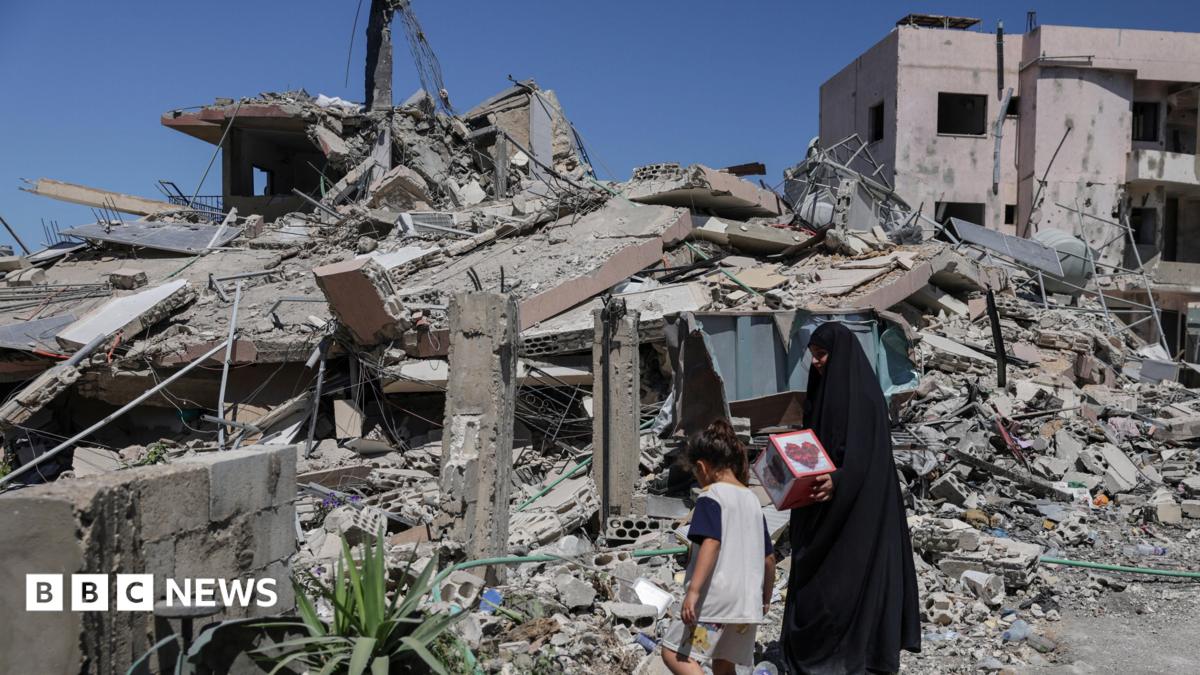
This live coverage has closed - read our latest article Israel and armed Lebanese group Hezbollah have agreed to a ceasefire, a senior US official confirms to the BBC The agreement follows concerns that continued fighting in Lebanon could undermine the deal between the US and Iran, which called for an end to military operations on all fronts, including Lebanon According to local emergency services, strikes have continued in Lebanon since the ceasefire deadline In recent days, the relationship between the Trump...
AI Summary
Main Idea: Israel and Hezbollah agreed to a ceasefire in Lebanon, but strikes reportedly continued soon after the deadline, raising doubts about whether the truce will hold.
Key Points:
- A senior US official told the BBC the ceasefire was agreed as part of a wider US-Iran deal aimed at ending military operations in the region.
- Lebanon’s health ministry said Israeli strikes since midnight had killed at least 47 people, while Israel said four of its soldiers were killed by Hezbollah.
- Reports from southern Lebanon said air strikes continued after the 16:00 local ceasefire start time, with both sides accusing the other of breaking the deal.
- The ceasefire has major stakes for Lebanon’s future and for US efforts to keep its wider agreement with Iran from falling apart.
Impact on the People
Negative Impact
The shaky ceasefire may keep oil and shipping markets jumpy, which can raise costs for US households and businesses.
Positive Impact
A real pause in fighting could lower the risk of a wider war and reduce pressure on US taxpayers and troops.
How did each entity affect people?
Rate how each entity in this article affected the American people.
- Primary:Hezbollahpolitical organization
Candidate Entities8 candidates · 5 weighted vote min · 70% decision
- Hezbollahpolitical organizationPrimaryEvaluated
Central armed group in the conflict and ceasefire agreement.
Include 0 (0%)Ignore 0 (0%)5 to threshold - Benjamin NetanyahupersonMajorAI selected
Named Israeli prime minister central to the reported tensions and ceasefire pressure.
Include 0 (0%)Ignore 0 (0%)5 to threshold - Lebanese health ministrygovernment agency or bodyMajorAI selected
Official body providing casualty figures central to the story’s conflict reporting.
Include 0 (0%)Ignore 0 (0%)5 to threshold - Marco RubiopersonMajorAI selected
Named U.S. secretary of state whose call with Lebanon’s president is part of the ceasefire diplomacy.
Include 0 (0%)Ignore 0 (0%)5 to threshold - President Donald TrumppersonMajorAI selected
Named leader whose pressure and reaction to the ceasefire are a major part of the coverage.
Include 0 (0%)Ignore 0 (0%)5 to threshold - United StatescountryMajorAI selected
Key diplomatic actor behind the ceasefire and deal with Iran referenced throughout the article.
Include 0 (0%)Ignore 0 (0%)5 to threshold - Abbas AraghchipersonContextCandidate
Named Iranian foreign minister quoted on breach of commitments; important but not central.
Include 0 (0%)Ignore 0 (0%)5 to threshold
Comments 0
Comments here are the same thread shown when this article appears in The Pulse.
No comments on this article yet.
Sign in to comment