America could ‘lose the AI race’ because of too much ‘pessimism,’ White House AI czar David Sacks says
Read Original Source
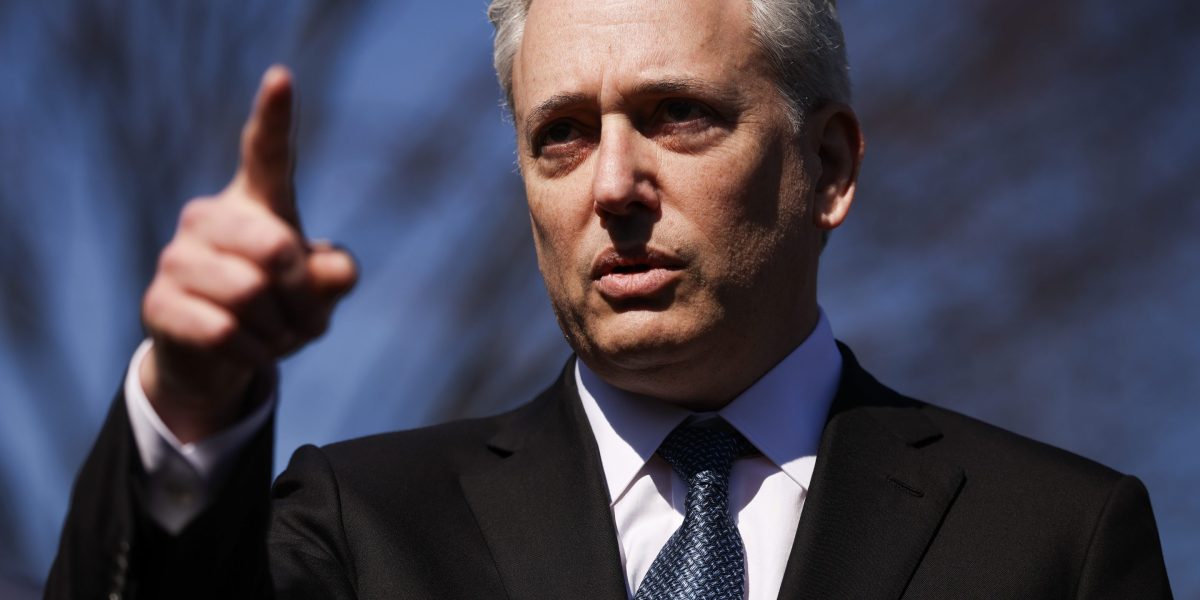
The race for artificial intelligence supremacy has pitted Silicon Valley bigwigs against Washington policymakers and Chinese competitors. President Donald Trump has taken a deregulatory approach to AI development, at times flying in the face of criticisms advocating improved safety infrastructure, an argument that the administration’s leading technology advisor has equated to a willful abandonment of the race for AI dominance.
AI Summary
Main Idea: White House AI czar David Sacks says too much fear and regulation could slow U.S. AI growth and help China pull ahead.
Key Points:
- Sacks argued that pessimism about AI is a “self-inflicted injury” for the U.S.
- He warned that state-level AI laws and other limits could “clamp down on innovation.”
- The Trump administration has moved to loosen federal AI rules and weaken some state guardrails.
- The article notes that some AI leaders support more safeguards, while others say faster rules are needed to keep up with China.
Impact on the People
Negative Impact
Loose AI rules could speed innovation,. They may also raise risks for workers, consumers, and communities if unsafe tools spread or local laws are weakened.
Positive Impact
No clear positive impact identified.
How did each entity affect people?
Rate how each entity in this article affected the American people.
- Primary:David Sacksperson
Candidate Entities10 candidates · 5 weighted vote min · 70% decision
- David SackspersonPrimaryEvaluated
White House AI and crypto czar whose warning about America “losing the AI race” is a central focus.
Include 0 (0%)Ignore 0 (0%)5 to threshold - President Donald TrumppersonMajorAI selected
His administration’s deregulatory AI approach is a major part of the story and is discussed through his policy.
Include 0 (0%)Ignore 0 (0%)5 to threshold - AnthropiccompanyContextCandidate
AI company led by Dario Amodei and referenced as part of the debate over AI safety and regulation.
Include 0 (0%)Ignore 0 (0%)5 to threshold - CaliforniastateContextCandidate
Its proposed billionaire wealth tax is discussed as a concrete policy issue tied to Sacks’ comments and move.
Include 0 (0%)Ignore 0 (0%)5 to threshold - CEO Dario AmodeipersonContextCandidate
Anthropic CEO quoted as supporting more responsible regulation, providing a key contrasting view.
Include 0 (0%)Ignore 0 (0%)5 to threshold - CEO Marc BenioffpersonContextCandidate
Salesforce CEO who is part of the featured Davos conversation with David Sacks.
Include 0 (0%)Ignore 0 (0%)5 to threshold - Governor Ron DeSantispersonContextCandidate
Florida governor whose call for limits on data center construction is mentioned as part of the broader political.
Include 0 (0%)Ignore 0 (0%)5 to threshold
Comments 0
Comments here are the same thread shown when this article appears in The Pulse.
No comments on this article yet.
Sign in to comment