Ahmed al-Sharaa's journey from rebel leader to president of Syria
Read Original Source
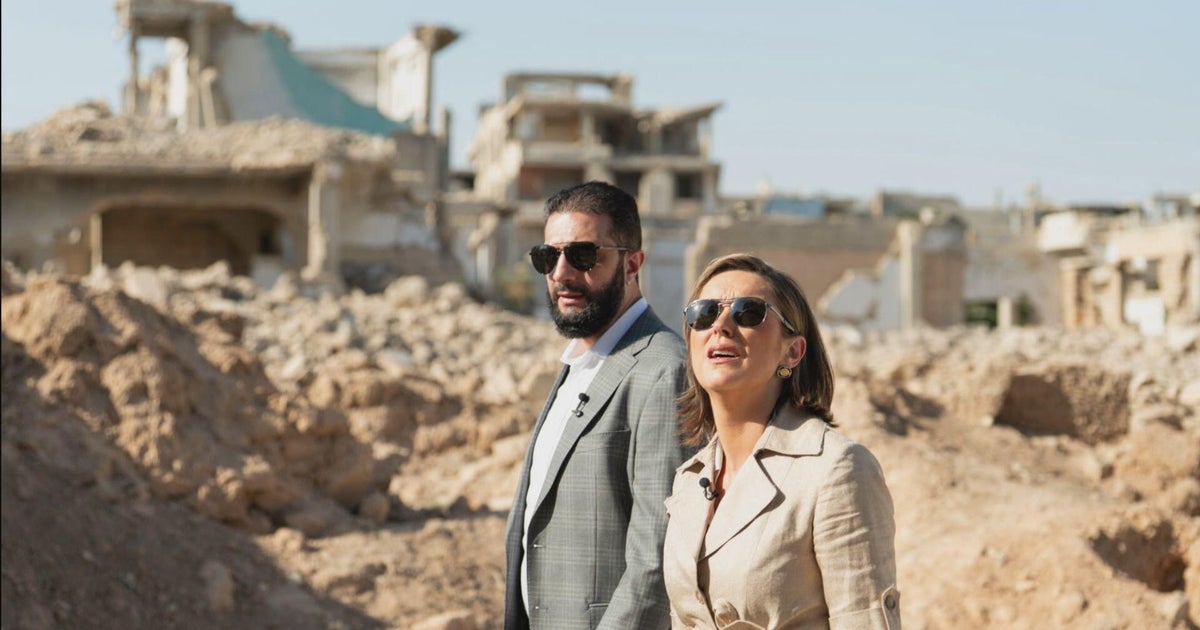
At home and abroad, Syrian President Ahmed al-Sharaa, who once led an affiliate of al Qaeda and was designated as a terrorist by the U.S. in 2013, is facing questions over whether he can stabilize, unify and democratize a fractured and traumatized Syria. He is encountering major challenges, including rebuilding devastated communities, protecting minorities from persecution, and getting oppressive economic sanctions permanently lifted.
AI Summary
Main Idea: Ahmed al-Sharaa, once a rebel leader with ties to al Qaeda, is now Syria’s president and is trying to rebuild the country, win trust, and lift sanctions after years of war.
Key Points:
- Al-Sharaa’s rise is striking: he was once jailed, led an al Qaeda-linked group in Syria, and was later named president after Bashar Assad fled the country.
- He says Syria needs peace, investment, and the lifting of U.S. and other sanctions to rebuild homes, roads, and basic services.
- His rule is under pressure from claims of new sectarian violence and doubts about whether he can protect minorities and control armed groups.
- Syria is still badly damaged, with millions displaced, weak public services, and a huge rebuilding bill that al-Sharaa says will require help from the world.
Impact on the People
Negative Impact
US taxpayers could face pressure if Syria stays unstable and keeps seeking sanctions relief, because aid, diplomacy, and security costs may rise.
Positive Impact
If al-Sharaa slows violence and rebuilds Syria, fewer refugees and fewer regional clashes could ease strain on US communities and foreign policy.
How did each entity affect people?
Rate how each entity in this article affected the American people.
- Primary:
- Major:al Qaedapolitical organization
Candidate Entities6 candidates · 5 weighted vote min · 70% decision
- President Ahmed al-SharaapersonPrimaryEvaluated
Central figure in the article, traced from rebel leader to Syria’s president and quoted extensively on Syria’s future.
Include 0 (0%)Ignore 0 (0%)5 to threshold - al Qaedapolitical organizationMajorEvaluated
Important to al-Sharaa’s background as a former affiliate leader and the basis for his terrorism designation.
Include 0 (0%)Ignore 0 (0%)5 to threshold - Bashar AssadpersonMajorAI selected
Former Syrian president whose regime, flight to Moscow, and aftermath are a major part of the story.
Include 0 (0%)Ignore 0 (0%)5 to threshold - President TrumppersonMajorAI selected
Mentioned as the U.S. president who met al-Sharaa and announced a provisional step toward lifting sanctions.
Include 0 (0%)Ignore 0 (0%)5 to threshold - United Nationsinternational organizationMajorAI selected
The article highlights al-Sharaa’s U.N. General Assembly speech and U.N. criticism of violence by his forces.
Include 0 (0%)Ignore 0 (0%)5 to threshold - United StatescountryMajorAI selected
Central to sanctions policy, terrorist designation of al-Sharaa, prison history, and diplomatic decisions affecting Syria.
Include 0 (0%)Ignore 0 (0%)5 to threshold
Comments 0
Comments here are the same thread shown when this article appears in The Pulse.
No comments on this article yet.
Sign in to comment