The similarities between today's market and Wall Street before 1929 crash
Read Original Source
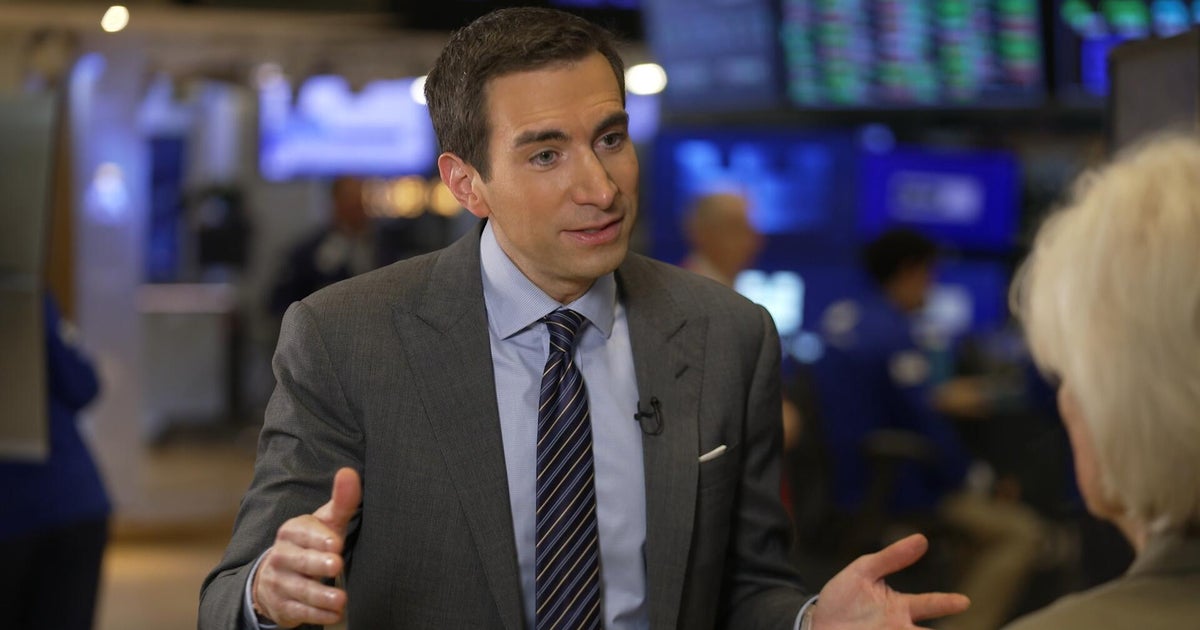
After nearly a decade spent studying the most famous stock market crash in history, financial journalist Andrew Ross Sorkin warns that the Wall Street of today echoes the market of 1929, when highs preceded a massive slump, leading to the Great Depression. Artificial intelligence and technology have contributed to a remarkable boom in recent years.
AI Summary
Main Idea: Andrew Ross Sorkin says today’s stock market, boosted by AI and easy investing, looks a lot like Wall Street before the 1929 crash, and he warns a downturn is coming.
Key Points:
- Sorkin says record highs, heavy speculation, and more debt make the market feel unstable.
- He compares today’s AI boom to past bubbles, where fast gains can hide big risks.
- He says weaker market rules and fewer protections could leave more people exposed if stocks fall.
- BlackRock’s Larry Fink argues for wider access to private investments and crypto, but Sorkin warns those products can also be risky and overhyped.
Impact on the People
Negative Impact
A market crash or bubble burst could erase household savings, pensions, and 401(k) gains, and hurt workers and small businesses through layoffs and tighter credit.
Positive Impact
BlackRock’s push to widen access to AI, private investments, and crypto could give some households higher-return options if they can manage the risk.
How did each entity affect people?
Rate how each entity in this article affected the American people.
- Major:BlackRockcompany
- Major:CEO Larry Finkperson
Candidate Entities8 candidates · 5 weighted vote min · 70% decision
- BlackRockcompanyMajorEvaluated
Major financial firm tied to Larry Fink’s comments and investment stance.
Include 0 (0%)Ignore 0 (0%)5 to threshold - CEO Larry FinkpersonMajorEvaluated
Named executive whose views on retirement investing, AI, and crypto are a major supporting focus.
Include 0 (0%)Ignore 0 (0%)5 to threshold - Consumer Financial Protection Bureaugovernment agency or bodyContextCandidate
Named regulator referenced in Sorkin’s argument that investor guardrails are weakening.
Include 0 (0%)Ignore 0 (0%)5 to threshold - President Donald TrumppersonContextCandidate
Mentioned in connection with tariffs and the administration’s role in changing retirement-investment rules.
Include 0 (0%)Ignore 0 (0%)5 to threshold - United StatescountryContextCandidate
Discussed as the national market and regulatory setting for the article’s claims about speculation, debt, and guardrails.
Include 0 (0%)Ignore 0 (0%)5 to threshold - bitcoinbrand / productMinorCandidate
Mentioned as an investment asset in Fink’s remarks and Sorkin’s comparison to speculative behavior.
Include 0 (0%)Ignore 0 (0%)5 to threshold - cryptobrand / productMinorCandidate
Broadly referenced as an asset class discussed for portfolio inclusion and speculation.
Include 0 (0%)Ignore 0 (0%)5 to threshold
Comments 0
Comments here are the same thread shown when this article appears in The Pulse.
No comments on this article yet.
Sign in to comment