Galleri test: Exciting results from blood test for 50 cancers
Read Original Source
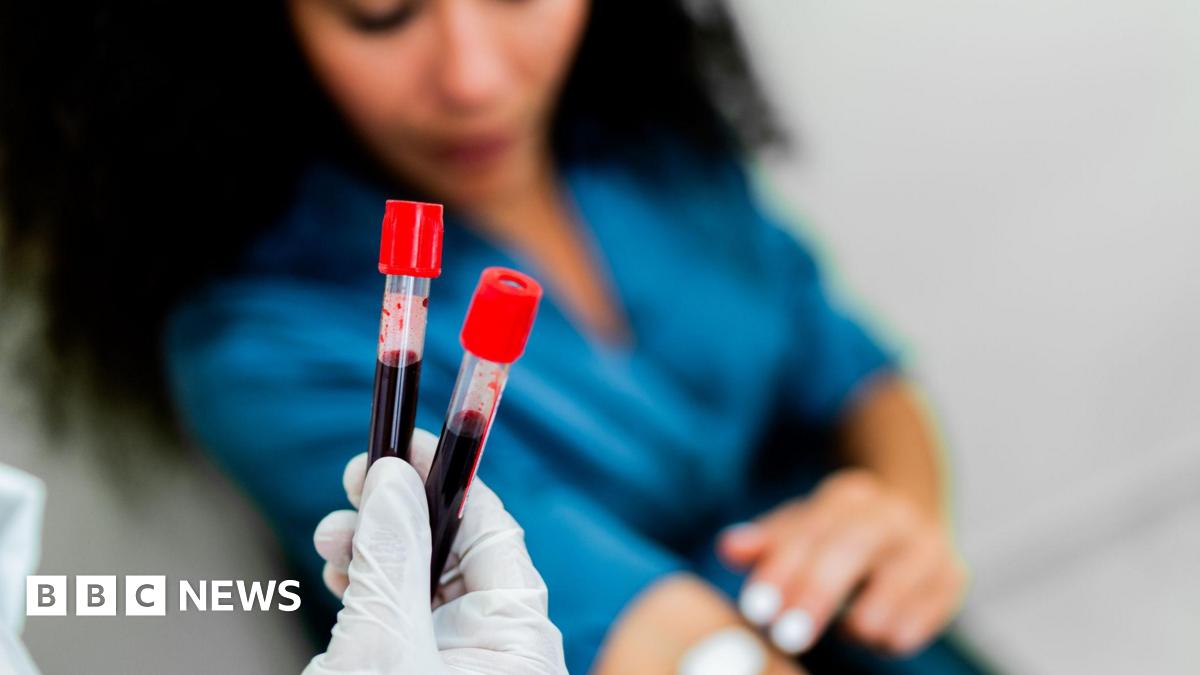
A blood test for more than 50 types of cancer could help speed up diagnosis, according to a new study. Results of a trial in North America show that the test was able to identify a wide range of cancers, of which three-quarters don't have any form of screening programme. More than half the cancers were detected at an early stage, where they are easier to treat and potentially curable.
AI Summary
Main Idea: The Galleri blood test showed promising results for spotting more than 50 cancers earlier, but experts say more evidence is still needed before it can be widely used.
Key Points:
- In a North American trial of 25,000 adults, the test found cancer in many people who later tested positive.
- More than half of the cancers were caught at an early stage, when treatment is more likely to work.
- The test also did well at ruling out cancer and correctly found where the cancer started in most cases.
- The NHS is already trialing the Galleri test, but scientists say it must prove it can lower deaths and avoid overdiagnosis before broad use.
Impact on the People
Negative Impact
Wider use of the Galleri test could lead to false alarms and overdiagnosis, which may cause extra tests, worry, and wasted health care money.
Positive Impact
The Galleri test could help US patients find many cancers earlier, which may improve treatment and save lives if larger trials confirm the benefit.
How did each entity affect people?
Rate how each entity in this article affected the American people.
- Primary:Galleri testbrand / product
Candidate Entities11 candidates · 5 weighted vote min · 70% decision
- Galleri testbrand / productPrimaryEvaluated
The blood test at the center of the story, with trial results and potential NHS adoption covered throughout.
Include 0 (0%)Ignore 0 (0%)5 to threshold - GrailcompanyPrimaryAI selected
Maker of the Galleri blood test that is the central subject of the article and whose trial results.
Include 0 (0%)Ignore 0 (0%)5 to threshold - Dr Nima NabavizadehpersonMajorAI selected
Lead researcher quoted on the study’s significance and implications for cancer screening.
Include 0 (0%)Ignore 0 (0%)5 to threshold - National Health Servicegovernment agency or bodyMajorAI selected
The article discusses its ongoing trial of the test and possible future expansion if results are successful.
Include 0 (0%)Ignore 0 (0%)5 to threshold - Oregon Health & Science Universityeducational / research institutionMajorAI selected
Lead researcher Dr Nima Nabavizadeh is affiliated with this institution, and the trial results are tied to its.
Include 0 (0%)Ignore 0 (0%)5 to threshold - Cancer Research UKnonprofit / NGOContextCandidate
Named organization whose representative cautions about overdiagnosis and further research needs.
Include 0 (0%)Ignore 0 (0%)5 to threshold - Clare TurnbullpersonContextCandidate
Quoted expert providing a cautious assessment of the findings and the need for mortality data.
Include 0 (0%)Ignore 0 (0%)5 to threshold
Comments 0
Comments here are the same thread shown when this article appears in The Pulse.
No comments on this article yet.
Sign in to comment