In 'Blue Moon,' Ethan Hawke and Richard Linklater examine the bittersweet end of an artistic partnership
Read Original Source
Ethan Hawke and Richard Linklater have one of the all-time greatest partnerships between an actor and a filmmaker in cinematic history. After meeting in the early 1990s in New York City, where Linklater saw Hawke in a play that co-starred their mutual friend Anthony Rapp, Hawke and Linklater have worked together on the beloved “Before” trilogy, the decade-spanning “Boyhood,” and experimental indie hits such as “Tape” and “Waking Life.
AI Summary
Main Idea: Ethan Hawke and Richard Linklater’s new film “Blue Moon” looks at the painful end of an artistic partnership through the life of lyricist Lorenz Hart.
Key Points:
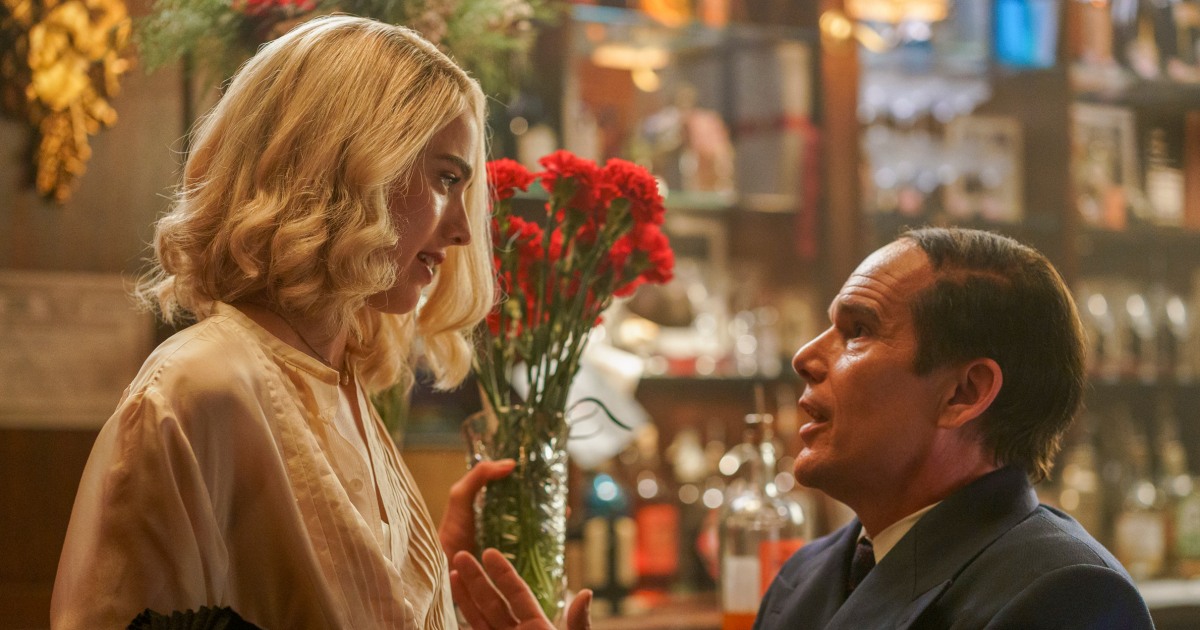
- The movie follows Hart on the night his former partner, Richard Rodgers, celebrates “Oklahoma!” with a new collaborator.
- Hawke plays Hart as talented but troubled, showing his loneliness, drinking, and self-destructive habits.
- Linklater says the film is less about art itself and more about the breakup of a working bond that shaped both men’s lives.
- The story also explores Hart’s hidden sexuality and how being gay in the 1940s added to his isolation.
Impact on the People
Negative Impact
The film may mainly affect viewers as entertainment, with little direct impact on jobs, prices, or public services.
Positive Impact
Ethan Hawke and Richard Linklater’s story could spark interest in older musicals and in how workers lose identity when a creative partnership ends.
How did each entity affect people?
Rate how each entity in this article affected the American people.
- Primary:Ethan Hawkeperson
- Primary:Lorenz Hartperson
- Primary:Richard Linklaterperson
Candidate Entities10 candidates · 5 weighted vote min · 70% decision
- Ethan HawkepersonPrimaryEvaluated
One of the two central subjects; the article focuses heavily on his performance and comments about the film.
Include 0 (0%)Ignore 0 (0%)5 to threshold - Lorenz HartpersonPrimaryEvaluated
The film’s subject and the main historical figure the article examines; his life, sexuality, and artistic breakup are.
Include 0 (0%)Ignore 0 (0%)5 to threshold - Richard LinklaterpersonPrimaryEvaluated
One of the two central subjects; the article centers on his long-running collaboration with Ethan Hawke and his.
Include 0 (0%)Ignore 0 (0%)5 to threshold - Richard RodgerspersonMajorAI selected
A major historical figure in the story whose partnership with Lorenz Hart and role in the film’s plot.
Include 0 (0%)Ignore 0 (0%)5 to threshold - Robert KaplowpersonContextCandidate
The screenplay writer mentioned as a key creative figure behind the film, but not a primary focus.
Include 0 (0%)Ignore 0 (0%)5 to threshold - Andrew ScottpersonMinorCandidate
Mentioned as the actor playing Richard Rodgers, a supporting reference.
Include 0 (0%)Ignore 0 (0%)5 to threshold - Margaret QualleypersonMinorCandidate
Mentioned as the actor playing Elizabeth, a supporting role in the film discussion.
Include 0 (0%)Ignore 0 (0%)5 to threshold - Oscar Hammerstein IIpersonMinorCandidate
Historical figure referenced as Richard Rodgers’s new collaborator in the film’s premise.
Include 0 (0%)Ignore 0 (0%)5 to threshold
Comments 0
Comments here are the same thread shown when this article appears in The Pulse.
No comments on this article yet.
Sign in to comment