U.s. slaps sanctions on Russian oil companies over Ukraine war
Read Original Source
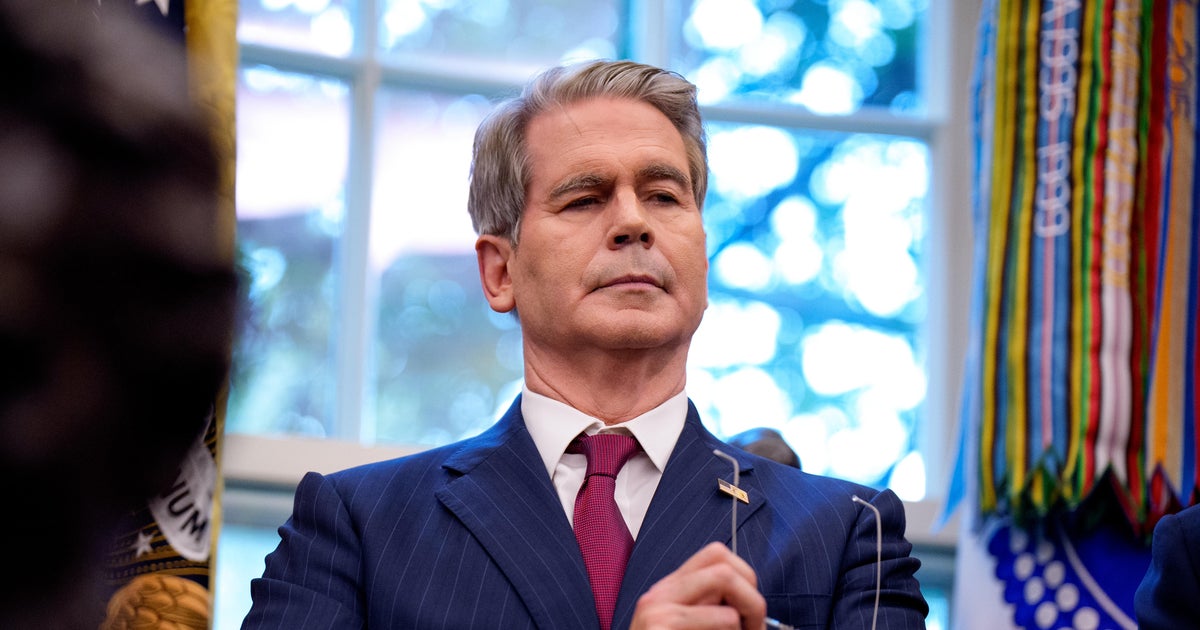
Treasury Secretary Scott Bessent announced new sanctions Wednesday against Russia's two biggest oil companies and blasted Moscow's refusal to end its "senseless war" in Ukraine, as the Trump administration struggles to strike a ceasefire deal and the Ukrainian president seeks more foreign military help. The sanctions against Rosneft and Lukoil, as well as dozens of subsidiaries, followed months of bipartisan pressure on President Trump to hit Russia with harder sanctions on its oil industry.
AI Summary
Main Idea: The Trump administration imposed new sanctions on Rosneft and Lukoil to pressure Russia to end its war in Ukraine.
Key Points:
- Treasury Secretary Scott Bessent said the sanctions target Russia’s two biggest oil companies and many of their subsidiaries.
- He said the move is meant to push Russian President Vladimir Putin toward an immediate ceasefire.
- The announcement came after deadly Russian drone and missile strikes across Ukraine, including attacks on Kyiv and Kharkiv.
- The sanctions came as Trump’s peace efforts stalled, while NATO and European allies continued planning more support for Ukraine.
Impact on the People
Negative Impact
Sanctions on Rosneft and Lukoil could push up oil prices, which may raise gas, heating, and shipping costs for US households and small businesses.
Positive Impact
The sanctions may add pressure on Russia to negotiate, which could help reduce the war and lower long-term security risks for US voters and taxpayers.
How did each entity affect people?
Rate how each entity in this article affected the American people.
Candidate Entities10 candidates · 5 weighted vote min · 70% decision
- LukoilcompanyPrimaryEvaluated
One of Russia’s two biggest oil companies and a direct target of the new sanctions.
Include 0 (0%)Ignore 0 (0%)5 to threshold - RosneftcompanyPrimaryEvaluated
One of Russia’s two biggest oil companies and a direct target of the new sanctions.
Include 0 (0%)Ignore 0 (0%)5 to threshold - President Donald TrumppersonPrimaryAI selected
Central political actor whose sanctions posture and ceasefire efforts frame the article.
Include 0 (0%)Ignore 0 (0%)5 to threshold - Treasury Secretary Scott BessentpersonPrimaryAI selected
Announced the new sanctions and is quoted explaining the administration’s action.
Include 0 (0%)Ignore 0 (0%)5 to threshold - Mark RuttepersonMajorAI selected
NATO Secretary General whose Washington visit and comments are relevant to the sanctions and ceasefire push.
Include 0 (0%)Ignore 0 (0%)5 to threshold - President Vladimir PutinpersonMajorAI selected
Central foreign leader whose refusal to end the war is cited as the reason for the sanctions.
Include 0 (0%)Ignore 0 (0%)5 to threshold - President Volodymyr ZelenskyypersonMajorAI selected
Major wartime leader responding to the sanctions and urging more pressure on Russia.
Include 0 (0%)Ignore 0 (0%)5 to threshold
Comments 0
Comments here are the same thread shown when this article appears in The Pulse.
No comments on this article yet.
Sign in to comment