Lawyer says man deported to Africa on hunger strike, life "on the line"
Read Original Source
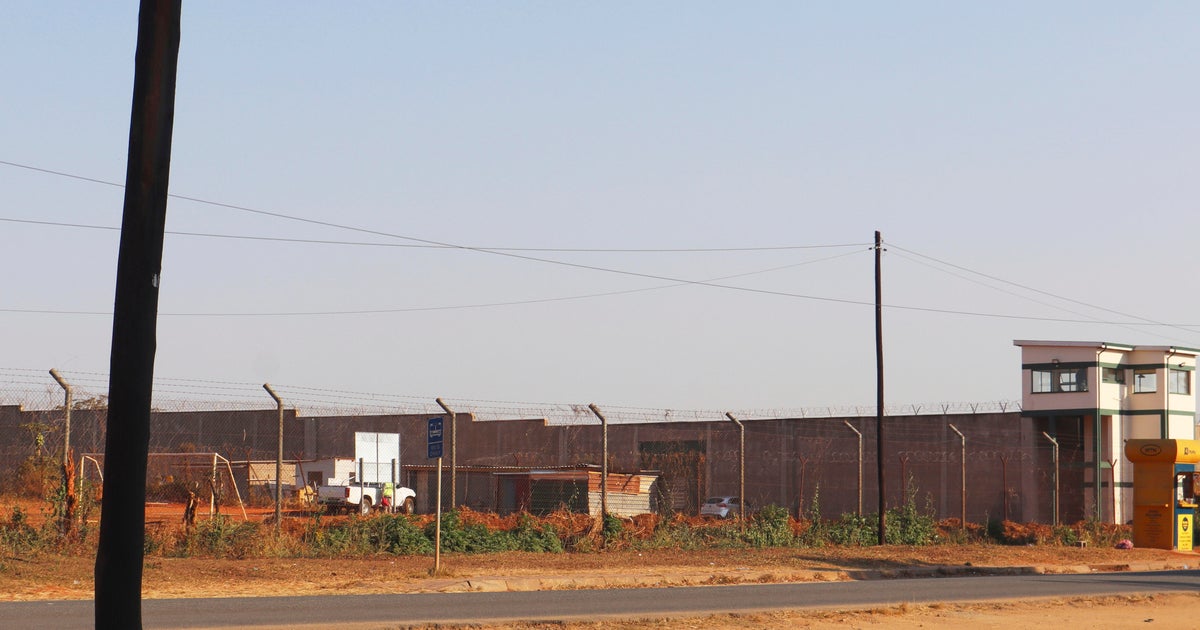
Cape Town, South Africa — A Cuban man deported by the United States to the African nation of Eswatini is on a hunger strike at a maximum-security prison having been held there for more than three months without charge or access to legal counsel under the Trump administration's third-country program, his U.S.-based lawyer said Wednesday. Roberto Mosquera del Peral was one of five men sent to the small kingdom in southern Africa in mid-July as part of the U.S. deportation program to Africa.
AI Summary
Main Idea: A Cuban man deported by the United States to Eswatini is on a hunger strike in prison, and his lawyer says his life is in danger.
Key Points:
- Roberto Mosquera del Peral has been held for more than three months without charge or access to legal counsel.
- His U.S.-based lawyer says he has been on a hunger strike for a week and needs urgent medical attention.
- Eswatini officials said he was fasting for religious reasons, but his lawyer said it is a protest over his detention.
- The case is part of the Trump administration’s third-country deportation program, which the U.S. Department of Homeland Security says is meant to remove people with serious criminal records.
Impact on the People
Negative Impact
US taxpayers may face higher costs and legal risk if DHS expands secretive deportation deals that keep people jailed abroad without due process.
Positive Impact
No clear positive impact identified.
How did each entity affect people?
Rate how each entity in this article affected the American people.
- Primary:Roberto Mosquera del Peralperson
Candidate Entities9 candidates · 5 weighted vote min · 70% decision
- Roberto Mosquera del PeralpersonPrimaryEvaluated
Cuban deportee at the center of the article; his hunger strike, detention, and alleged lack of counsel drive.
Include 0 (0%)Ignore 0 (0%)5 to threshold - Alma DavidpersonMajorAI selected
Mosquera’s U.S.-based lawyer, whose statements and demands are a major part of the reporting.
Include 0 (0%)Ignore 0 (0%)5 to threshold - United States Department of Homeland Securitygovernment agency or bodyMajorAI selected
U.S. agency cited as defending the third-country deportation program and describing the deportees’ criminal histories.
Include 0 (0%)Ignore 0 (0%)5 to threshold - Eswatini Correctional Servicesgovernment agency or bodyContextCandidate
Prison authority asked to provide an update and medical care, making it a relevant official actor.
Include 0 (0%)Ignore 0 (0%)5 to threshold - Human Rights Watchnonprofit / NGOContextCandidate
Rights group cited for documents and claims about U.S. payments to African countries; important background but not the.
Include 0 (0%)Ignore 0 (0%)5 to threshold - GhanacountryMinorCandidate
Mentioned as another African destination for deportees under the same program.
Include 0 (0%)Ignore 0 (0%)5 to threshold - Kilmar Abrego GarciapersonMinorCandidate
Mentioned as a potential deportee to Eswatini under the same program, but not central to the article.
Include 0 (0%)Ignore 0 (0%)5 to threshold
Comments 0
Comments here are the same thread shown when this article appears in The Pulse.
No comments on this article yet.
Sign in to comment