Sudan paramilitary group agrees to U.S. ceasefire proposal
Read Original Source
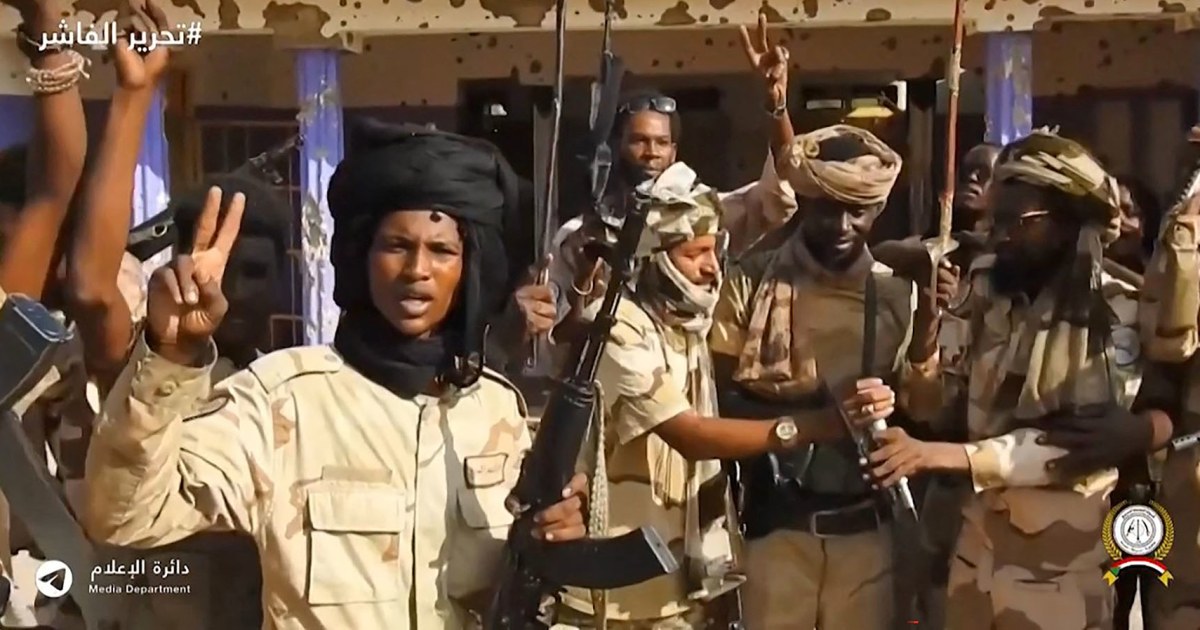
A paramilitary group accused of killing thousands of Sudanese civilians in a war that has triggered a catastrophic humanitarian crisis said Thursday it had agreed to a ceasefire proposal from U.S.-led mediators, although an American official indicated a final deal had not been struck yet. Limited time: Save 25% on NBC News subscription Get exclusive reporting, live Q&As and ad-free reading. Hours after the announcement, a State Department spokesperson indicated the U.S.
AI Summary
Main Idea: Sudan’s Rapid Support Forces said they accepted a U.S.-led ceasefire proposal, but the deal was not final because the Sudanese military had not yet agreed.
Key Points:
- The RSF said the truce was meant to ease the war’s severe human cost and help get aid to civilians.
- A U.S. official said Washington was still trying to get both sides to accept the humanitarian truce.
- The Sudanese military said it would only agree if RSF fighters leave civilian areas and give up weapons.
- The war has killed tens of thousands, driven millions from their homes, and led to famine and mass violence, especially after the RSF took el-Fasher.
Impact on the People
Negative Impact
Fighting in Sudan can keep food prices and aid costs high for US households and taxpayers, while more unrest can add pressure for US humanitarian spending.
Positive Impact
A real ceasefire could reduce the need for emergency aid and lower the risk of wider regional disruption that can affect markets and supply chains.
How did each entity affect people?
Rate how each entity in this article affected the American people.
- Major:Sudancountry
Candidate Entities5 candidates · 5 weighted vote min · 70% decision
- SudancountryMajorEvaluated
The country at the center of the war, ceasefire effort, and humanitarian crisis.
Include 0 (0%)Ignore 0 (0%)5 to threshold - Gen. Abdel-Fattah BurhanpersonMajorAI selected
Named commander of the Sudanese military whose role in the war is a major focus.
Include 0 (0%)Ignore 0 (0%)5 to threshold - Gen. Mohammed Hamdan DagalopersonMajorAI selected
Named RSF leader whose role, sanctions, and military actions are central to the article.
Include 0 (0%)Ignore 0 (0%)5 to threshold - United Nationsinternational organizationContextCandidate
Cited for figures on deaths and famine conditions in Sudan.
Include 0 (0%)Ignore 0 (0%)5 to threshold - Associated Pressmedia outletMentionCandidate
Mentioned as the source of a quote from a Sudanese military official.
Include 0 (0%)Ignore 0 (0%)5 to threshold
Comments 0
Comments here are the same thread shown when this article appears in The Pulse.
No comments on this article yet.
Sign in to comment