The U.S. stock market is lagging dozens of countries, even in a year of record highs
Read Original Source
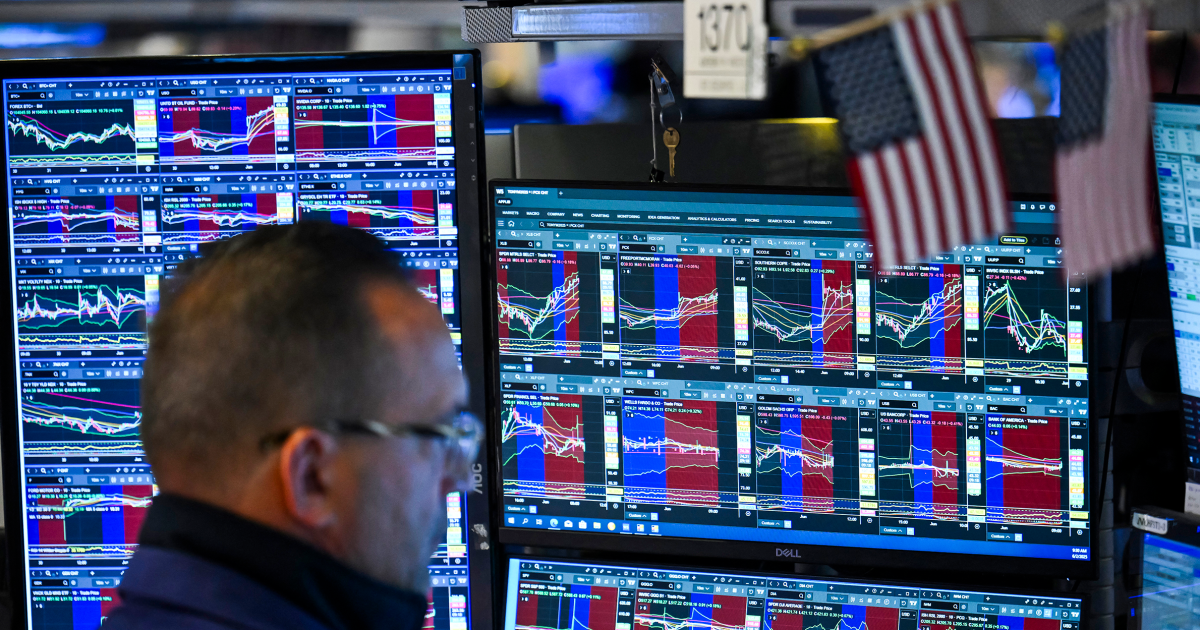
For only the third time in 10 years, one of America’s most broadly representative stock indexes, the S&P 500, is poised to give up its longtime spot as the world’s top performing stock index. Limited time: Save 25% on NBC News subscription Get exclusive reporting, live Q&As and ad-free reading. But drill down deeper, and the scale of the S&P’s underperformance becomes even starker. Ranked against dozens of other countries’ indexes, the S&P’s annual performance so far is not even among the world’s top 20.
AI Summary
Main Idea: President Donald Trump’s tariff policies and a weaker dollar have helped push the U.S. stock market behind many other countries this year, even as major U.S. tech firms like Nvidia and Apple keep overall market value high.
Key Points:
- The S&P 500 is up 16% this year, but that is only 41st among more than 60 major stock indexes worldwide.
- U.S. stocks have lagged the MSCI world index outside the U.S. by more than 10%, a rare gap in the past decade.
- Trump’s shifting tariff plans have added uncertainty and helped drive investors toward markets outside the U.S.
- AI-linked gains in companies such as Nvidia and Apple have lifted the market, but most other S&P 500 companies are growing much more slowly.
Impact on the People
Negative Impact
Trump’s tariff fights and a weaker dollar can raise import costs, unsettle markets, and hurt pensions, savings, and small businesses.
Positive Impact
Nvidia, Apple, and other AI leaders are powering gains that can support jobs, investment, and retirement accounts for some households.
How did each entity affect people?
Rate how each entity in this article affected the American people.
- Primary:President Donald Trumpperson
Candidate Entities9 candidates · 5 weighted vote min · 70% decision
- President Donald TrumppersonPrimaryEvaluated
Central political actor whose tariff policies, second-term actions, and statements are repeatedly cited as key drivers of the.
Include 0 (0%)Ignore 0 (0%)5 to threshold - AlphabetcompanyMajorAI selected
Major U.S. company mentioned as one of the trillion-dollar firms powering market gains.
Include 0 (0%)Ignore 0 (0%)5 to threshold - AmazoncompanyMajorAI selected
Major U.S. company cited among the largest AI/tech beneficiaries lifting the index.
Include 0 (0%)Ignore 0 (0%)5 to threshold - ApplecompanyMajorAI selected
Major U.S. company cited as a trillion-dollar market-cap leader contributing to the AI/tech concentration in returns.
Include 0 (0%)Ignore 0 (0%)5 to threshold - NvidiacompanyMajorAI selected
One of the flagship U.S. companies driving the AI-related stock gains described in the article.
Include 0 (0%)Ignore 0 (0%)5 to threshold - Supreme Court of the United Statesgovernment agency or bodyMajorAI selected
Named court whose consideration of Trump’s tariff agenda is presented as a potentially important market factor.
Include 0 (0%)Ignore 0 (0%)5 to threshold - Franklin TempletoncompanyContextCandidate
Investment firm cited through its analyst commentary on South Korea’s stock market strength.
Include 0 (0%)Ignore 0 (0%)5 to threshold
Comments 0
Comments here are the same thread shown when this article appears in The Pulse.
No comments on this article yet.
Sign in to comment