U.N. Security Council approves U.S.-brokered Gaza peace plan
Read Original Source
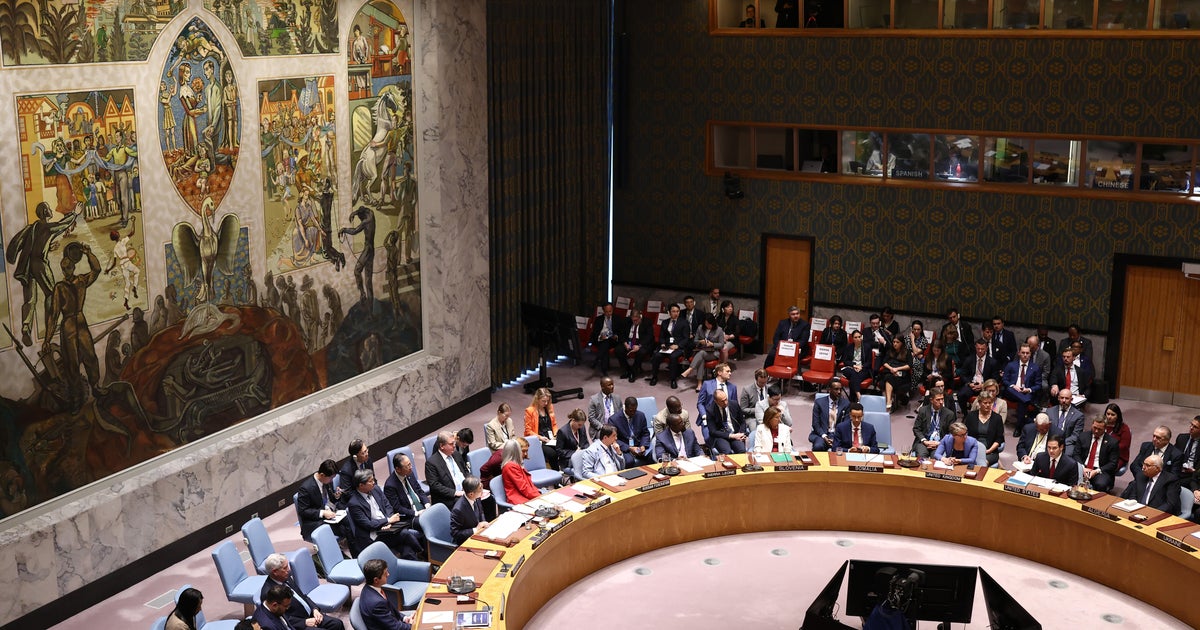
The U.N. Security Council on Monday approved a U.S. plan for Gaza that authorizes an international stabilization force to provide security in the devastated territory and envisions a possible future path to an independent Palestinian state. Russia, which had circulated a rival resolution, abstained along with China on the 13-0 vote. The U.S. and other countries had hoped Moscow would not use its veto power on the United Nations' most powerful body to block the resolution's adoption.
AI Summary
Main Idea: The U.N. Security Council approved a U.S.-backed Gaza plan that creates an international force for security and sets a possible path toward Palestinian statehood.
Key Points:
- The vote passed 13-0, with Russia and China abstaining rather than using their vetoes.
- The plan backs President Donald Trump’s ceasefire proposal and sets up a temporary Board of Peace and a stabilization force.
- The force would help secure Gaza, support aid flow, monitor borders, and push for Hamas disarmament, with Israeli troops expected to withdraw in stages tied to demilitarization.
- Hamas rejected the plan, while Israel’s leaders objected to the statehood language and warned against creating a Palestinian state.
Impact on the People
Negative Impact
US taxpayers may face higher costs if the US-backed force and aid effort expand, and a shaky Gaza deal could keep Middle East tensions high.
Positive Impact
A stronger ceasefire could lower violence, ease pressure on energy and markets, and improve aid delivery for civilians.
How did each entity affect people?
Rate how each entity in this article affected the American people.
- Primary:Hamaspolitical organization
- Primary:President Donald Trumpperson
Candidate Entities10 candidates · 5 weighted vote min · 70% decision
- Hamaspolitical organizationPrimaryEvaluated
Major party in the ceasefire and Gaza governance dispute, and a central subject of the resolution’s security and.
Include 0 (0%)Ignore 0 (0%)5 to threshold - President Donald TrumppersonPrimaryEvaluated
His U.S.-brokered 20-point ceasefire plan and proposed Board of Peace are central to the story.
Include 0 (0%)Ignore 0 (0%)5 to threshold - United Nations Security Councilinternational organizationPrimaryAI selected
Central body that approved the Gaza peace plan and whose vote is the core event in the article.
Include 0 (0%)Ignore 0 (0%)5 to threshold - Benjamin NetanyahupersonMajorAI selected
Named Israeli prime minister whose objections to Palestinian statehood and claims of ceasefire violations are a major part.
Include 0 (0%)Ignore 0 (0%)5 to threshold - EgyptcountryContextCandidate
Named in the joint statement backing the U.S. proposal and relevant to ceasefire implementation.
Include 0 (0%)Ignore 0 (0%)5 to threshold - QatarcountryContextCandidate
One of the Arab/Muslim states supporting swift adoption of the U.S. proposal and potentially contributing troops.
Include 0 (0%)Ignore 0 (0%)5 to threshold - IndonesiacountryMinorCandidate
Potential contributor to the stabilization force and signatory to the joint statement, but not a central actor.
Include 0 (0%)Ignore 0 (0%)5 to threshold
Comments 0
Comments here are the same thread shown when this article appears in The Pulse.
No comments on this article yet.
Sign in to comment