Ukrainian soldiers see Trump plan as 'capitulation,' even as they dream of peace
Read Original Source
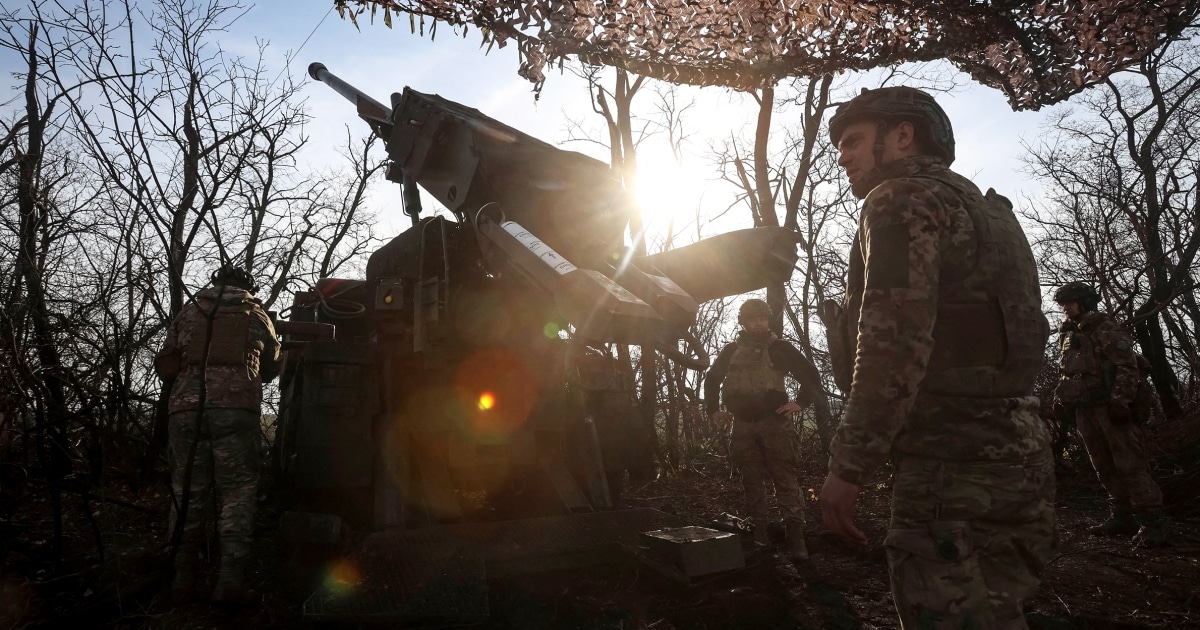
KYIV, Ukraine — From his position on the eastern front lines, the original peace plan backed by President Donald Trump looked more like a proposal for Volodymyr Rzhavskyi’s surrender. Limited time: Save 25% on NBC News subscription Get exclusive reporting, live Q&As and ad-free reading. “It’s not a plan. It’s a real capitulation. There is nothing to discuss here,” said Rzhavskyi, a senior sergeant serving near Pokrovsk, a supply hub under intense pressure from Russian forces for some 18 months.
AI Summary
Main Idea: Ukrainian soldier Volodymyr Rzhavskyi and other troops see Donald Trump’s peace plan as a forced surrender, even though many also long for an end to the war.
Key Points:
- Rzhavskyi said the plan would mean giving up Ukrainian land in Donetsk that Russia does not fully control, which he called capitulation.
- Other soldiers said they oppose limits on Ukraine’s military and any deal that asks Ukraine to give up territory it still holds.
- A military analyst said Ukraine’s front lines are under heavy pressure, but they are not collapsing, and he questioned rushing into a bad deal.
- Some troops still hope for peace after years of fighting, but they say any agreement must protect Ukraine’s security and territory.
Impact on the People
Negative Impact
A peace deal seen as surrender could keep the war going and raise costs for US taxpayers, consumers, and markets through more aid, higher energy prices, and uncertainty.
Positive Impact
A real ceasefire could reduce the risk of wider conflict and ease pressure on households and businesses if fighting slows.
How did each entity affect people?
Rate how each entity in this article affected the American people.
- Primary:Volodymyr Rzhavskyiperson
- Major:President Donald Trumpperson
Candidate Entities8 candidates · 5 weighted vote min · 70% decision
- Volodymyr RzhavskyipersonPrimaryEvaluated
A primary quoted soldier whose reaction to the plan anchors the article’s perspective.
Include 0 (0%)Ignore 0 (0%)5 to threshold - President Donald TrumppersonMajorEvaluated
His peace plan is the central policy proposal being discussed and evaluated by Ukrainian soldiers.
Include 0 (0%)Ignore 0 (0%)5 to threshold - Junior Lt. Oleh ZontovpersonMajorAI selected
A prominently quoted soldier offering a more mixed view of the peace proposal and its implications.
Include 0 (0%)Ignore 0 (0%)5 to threshold - OleksandrpersonMajorAI selected
Named by first name and age as a key soldier rejecting major concessions in the plan.
Include 0 (0%)Ignore 0 (0%)5 to threshold - Lt. Dmytro MelnykpersonContextCandidate
Quoted front-line drone operator providing supporting on-the-ground perspective.
Include 0 (0%)Ignore 0 (0%)5 to threshold - Mykola BielieskovpersonContextCandidate
Military analyst quoted to explain battlefield dynamics and why a rushed deal may be unwise.
Include 0 (0%)Ignore 0 (0%)5 to threshold - Volodymyr ZelenskyypersonContextCandidate
Mentioned as the Ukrainian leader involved in fighting for changes to the plan, but not a direct focal.
Include 0 (0%)Ignore 0 (0%)5 to threshold
Comments 0
Comments here are the same thread shown when this article appears in The Pulse.
No comments on this article yet.
Sign in to comment