Los Angeles Angels, Tyler Skaggs' family reach settlement in wrongful death lawsuit
Read Original Source
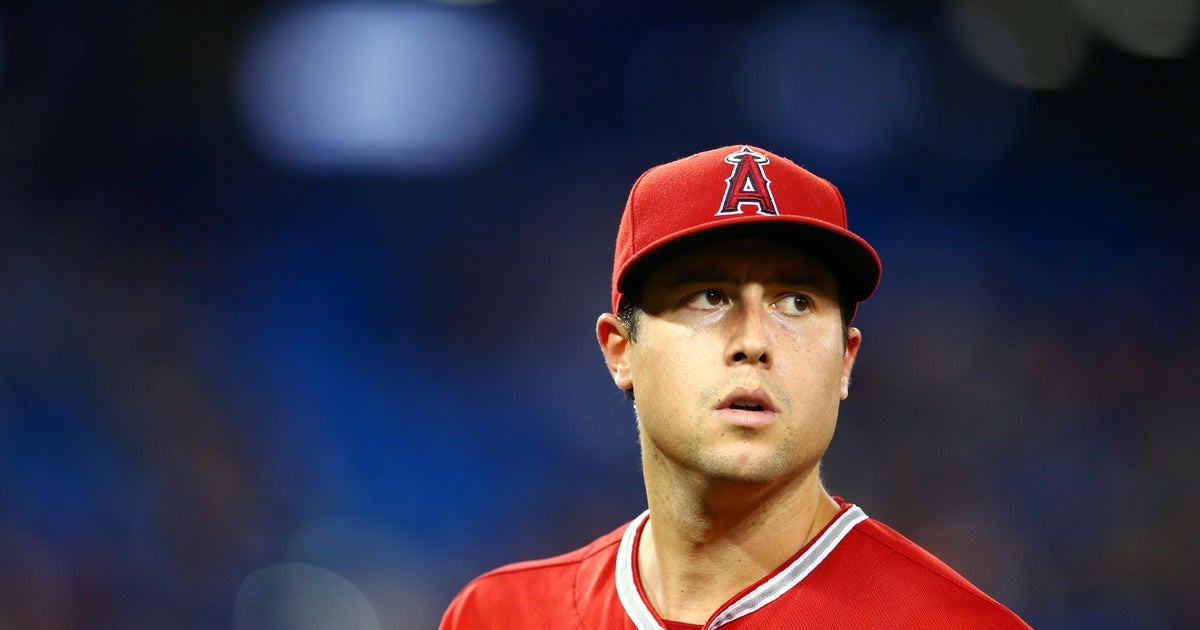
The Los Angeles Angels on Friday settled a lawsuit over the drug overdose death of pitcher Tyler Skaggs. The decision to settle was reached after a two-month civil trial in Southern California over whether the Angels should be held responsible for Skaggs' 2019 death after he snorted a fentanyl-laced pill provided by the team's communications director, Eric Kay.
AI Summary
Main Idea: The Los Angeles Angels reached a confidential settlement with Tyler Skaggs' family in the wrongful death lawsuit over his 2019 drug overdose.
Key Points:
- The settlement came after a two-month civil trial in Southern California.
- Skaggs' family said the trial showed the team should be held accountable for what happened.
- The Angels said the case was tragic and that both sides agreed to a private resolution.
- The case focused on claims that team staff knew or should have known about Eric Kay's drug dealing and access to players.
Impact on the People
Negative Impact
The case shows how drug misuse in a workplace can lead to a death, a lawsuit, and higher costs for teams, fans, and taxpayers who support pro sports.
Positive Impact
The settlement may push MLB and other employers to improve drug safety and reporting before more workers or players are harmed.
How did each entity affect people?
Rate how each entity in this article affected the American people.
- Primary:Eric Kayperson
- Primary:Los Angeles Angelscompany
- Primary:Tyler Skaggsperson
Candidate Entities12 candidates · 5 weighted vote min · 70% decision
- Eric KaypersonPrimaryEvaluated
Former team communications director whose drug distribution led to the criminal and civil cases discussed.
Include 0 (0%)Ignore 0 (0%)5 to threshold - Los Angeles AngelscompanyPrimaryEvaluated
Central organization in the settlement and the main party accused of failing to address Tyler Skaggs' death.
Include 0 (0%)Ignore 0 (0%)5 to threshold - Tyler SkaggspersonPrimaryEvaluated
The deceased pitcher whose death and family lawsuit are the core focus of the article.
Include 0 (0%)Ignore 0 (0%)5 to threshold - Carli SkaggspersonMajorAI selected
Tyler Skaggs' widow and a named family representative in the settlement and lawsuit.
Include 0 (0%)Ignore 0 (0%)5 to threshold - Daniel DutkopersonMajorAI selected
Attorney for the Skaggs family whose arguments and statements are central to the trial coverage.
Include 0 (0%)Ignore 0 (0%)5 to threshold - Major League BaseballcompanyMajorAI selected
League whose policies and accountability are discussed as a consequence of the case.
Include 0 (0%)Ignore 0 (0%)5 to threshold - Orange County Superior Courtgovernment agency or bodyMajorAI selected
Court overseeing the civil trial and settlement proceedings.
Include 0 (0%)Ignore 0 (0%)5 to threshold
Comments 0
Comments here are the same thread shown when this article appears in The Pulse.
No comments on this article yet.
Sign in to comment