New 2026 Texas laws take effect, reshaping immigration, taxes, evictions and AI oversight
Read Original Source
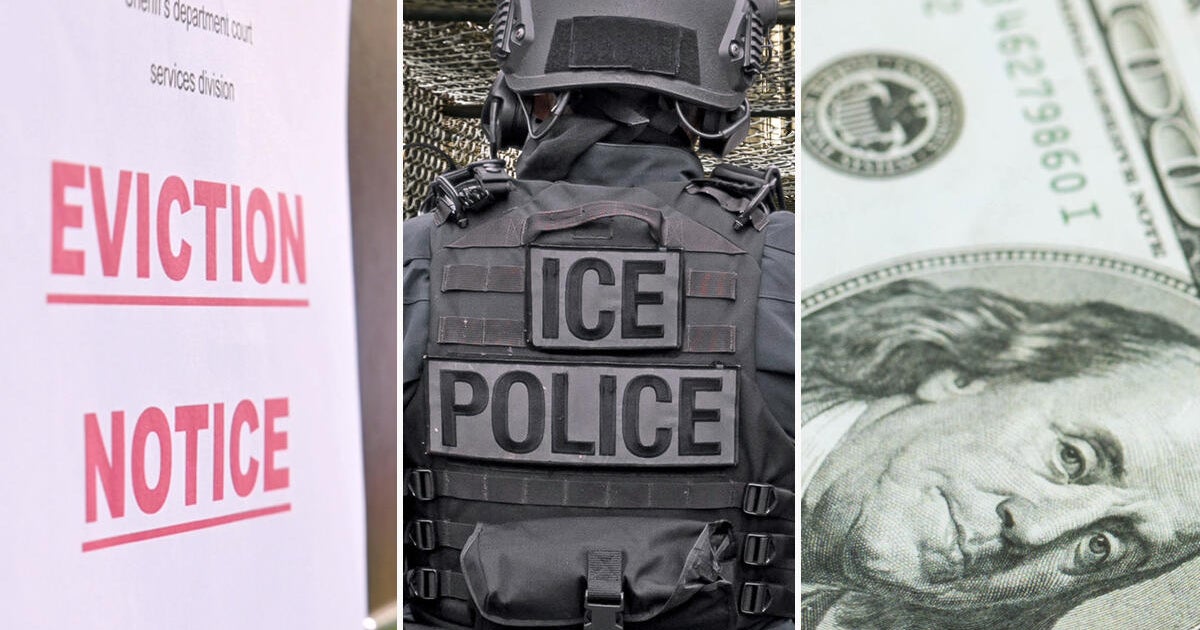
A slate of new Texas laws are taking effect in 2026, bringing changes that touch immigration enforcement, small businesses, housing disputes and the rapidly expanding use of artificial intelligence. The measures, passed during the last legislative session, reflect lawmakers' priorities on public safety, economic relief and emerging technology for the new year. Below is a breakdown of some of the key laws now in force.
AI Summary
Main Idea: Texas lawmakers have put new laws into effect for 2026 that change immigration enforcement, business taxes, eviction rules, and state oversight of AI.
Key Points:
- Texas sheriffs who run county jails must work with federal immigration authorities through the 287(g) program.
- The new tax law raises the business property tax exemption to $125,000, which should help many small businesses.
- A new eviction law speeds up court action in cases involving squatters or other people in a property without legal permission.
- A new AI law sets rules for state agencies and contractors to improve transparency, reduce bias, and increase accountability.
Impact on the People
Negative Impact
Texas sheriffs must help enforce immigration checks in jails, which could raise local costs and increase fear in some immigrant communities.
Positive Impact
Small businesses may get tax relief, and tighter AI rules could make state decisions clearer and fairer.
How did each entity affect people?
Rate how each entity in this article affected the American people.
- Primary:Texasstate
- Major:Texas sheriffsgovernment agency or body
Candidate Entities7 candidates · 5 weighted vote min · 70% decision
- TexasstatePrimaryEvaluated
Central government actor whose new laws and policy changes are the main subject of the article.
Include 0 (0%)Ignore 0 (0%)5 to threshold - Texas sheriffsgovernment agency or bodyMajorEvaluated
Required to cooperate with federal immigration authorities under the new law and are a major implementation actor.
Include 0 (0%)Ignore 0 (0%)5 to threshold - Texas Legislaturegovernment agency or bodyPrimaryAI selected
Passed the laws described and is the key policymaking body behind the story.
Include 0 (0%)Ignore 0 (0%)5 to threshold - Texas state agenciesgovernment agency or bodyMajorAI selected
Subject to the new artificial intelligence oversight rules and part of the law’s concrete implementation.
Include 0 (0%)Ignore 0 (0%)5 to threshold - United States Immigration and Customs Enforcementgovernment agency or bodyMajorAI selected
Federal immigration enforcement agency central to the jail-cooperation requirement.
Include 0 (0%)Ignore 0 (0%)5 to threshold - Texas contractorscompanyContextCandidate
Private contractors are covered by the new AI rules, making them a relevant supporting business actor.
Include 0 (0%)Ignore 0 (0%)5 to threshold - Texas county jailsgovernment agency or bodyContextCandidate
The law specifically targets jail operations and local enforcement practices, but they are a supporting institutional actor rather.
Include 0 (0%)Ignore 0 (0%)5 to threshold
Comments 0
Comments here are the same thread shown when this article appears in The Pulse.
No comments on this article yet.
Sign in to comment